
Gothic Remake brings a clunky cult classic to life, albeit with some baggage
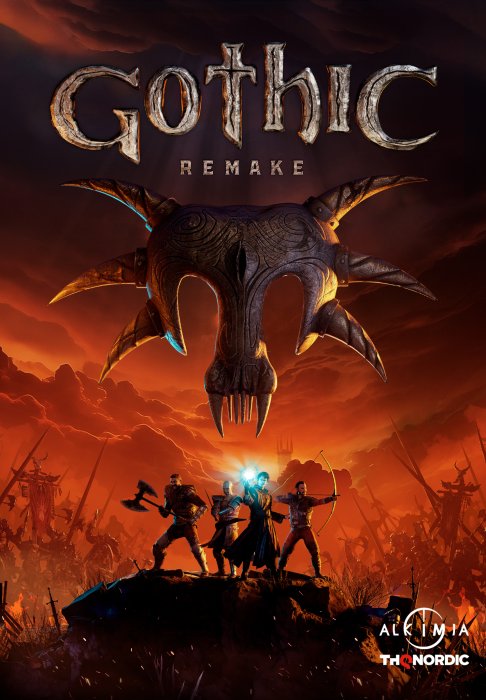


Pros
- + Riveting and gripping premise and open-world framework
- + Player-driven story and gameplay that rewards discovery
- + Incredible sense of exploration with satisfying rewards
- + Addicting power curve
- + Premium-feeling visuals, effects, and lighting
Cons
- - Bugs, crashes, glitches
- - Punishing gameplay experience that won’t be for everyone
Remakes are almost unavoidable these days. It feels like every IP, franchise, or game is getting one, yet it rarely feels earned or deserved. One game that feels ripe for a remake is the 2001 cult classic Gothic from the now-shuttered studio Piranha Bytes. Archaic, clunky, almost no player tutorials or guidance, barely any quality-of-life features, and outdated controls are just some of the problems with it. But it has enough of a following that a modernization and revamp could do wonders for the franchise and even bring it back to life.
Well, THQ Nordic set up a new studio back in 2021 named Alkimia Interactive to do just that. I have no experience with Gothic at all, but after sinking several dozen hours into it, I can see why it holds a special place in the hearts of so many. While the remake isn’t without its problems, you can see the origins of so many RPG mechanics and systems that are commonplace today and how the world, interactions, and mechanics of the game weave intricately into one another to create an enrapturing experience. Now it just has more to do, while looking and running a lot better.
Fight For Yourself in Every Way
You, the hero, are thrown inside a mining colony in a large valley as a prisoner. The kingdom of Myrtana is ruled by King Rhobar II, who erects a huge magical barrier to contain the prisoners. But things quickly spiral out of control, and everyone finds themselves trapped in the valley as prisoners turn the area into a lawless land ruled by brutal figures and deadly individuals.
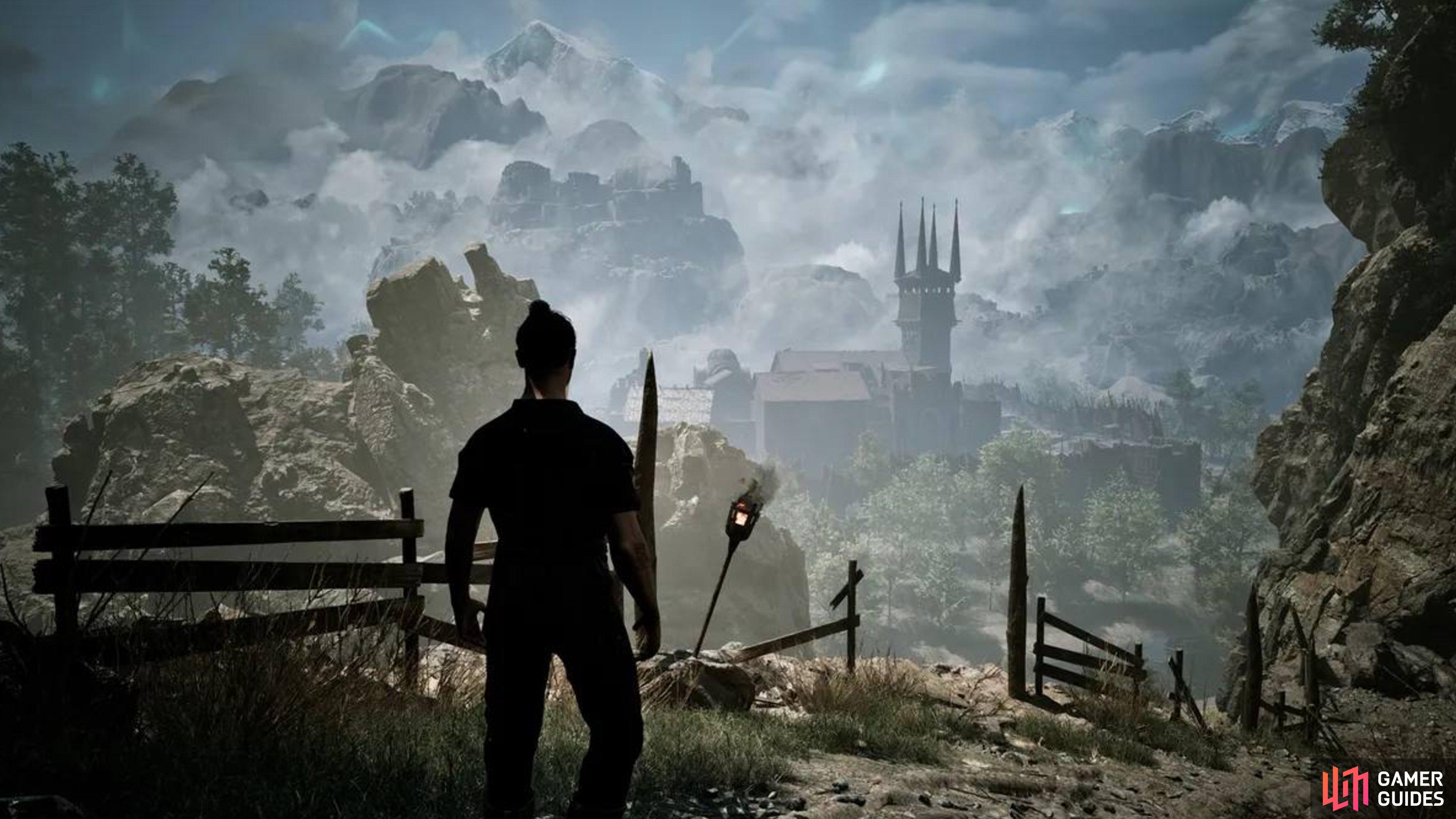
Despite being simple, Gothic’s opening is enrapturing because of how much freedom it gives you from the get-go.
In amongst the chaos in the valley and King Rhobar II’s efforts to bring things back under control, you seek to define yourself in this unrelenting territory. You’ll look to find your way, ally with whom you like, and craft the future of Myrtana and the mining valley.
This sense of freedom, lack of restrictions, and player agency was at the heart of the original, and it has been recreated here magnificently. Despite having no history with the series or the original game, the setup, sense of choice, and open-ended nature were arresting from beginning to end. I haven’t felt quite as captivated by an RPG’s story and setup in quite a long time as I have with the Gothic Remake.
It’s hard to describe, but there is a je-ne-sais-quoi in how the game offers up a contained but open space for you to freely explore and experiment in, especially in 2026. It’s a framework that feels novel, as most RPGs these days are bound by lengthy, structured questlines, years, if not decades of mechanics, and systems that are designed to help the player as much as possible.
Gothic Remake is undoubtedly a much better-looking and playing game.
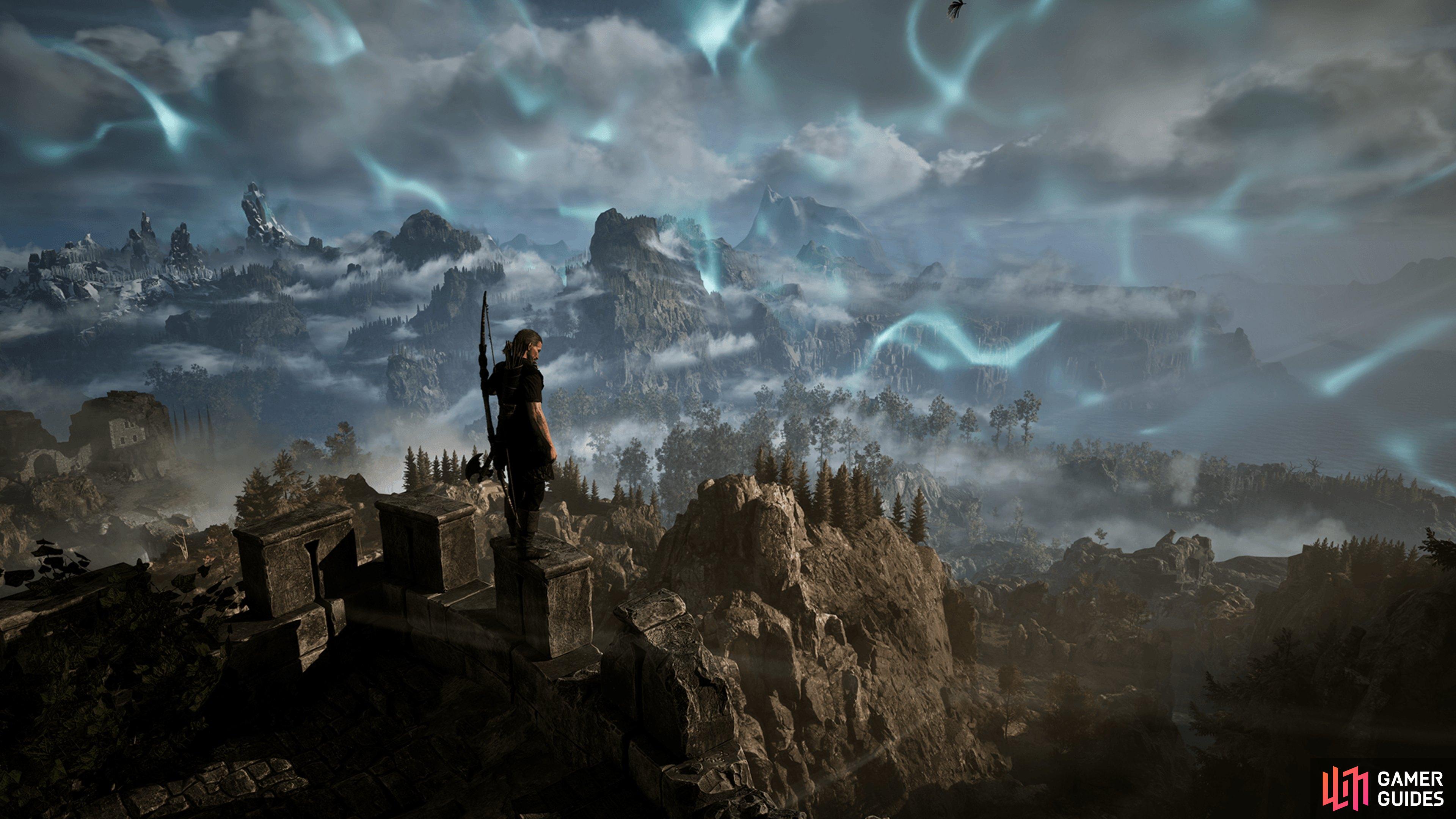
Gothic’s world and exploration is hard to beat and even more impressive when you remember the game released 25 years ago.
Gothic ignores all of that, and you have to pick it up for yourself as you play, but things are still guided enough that you aren’t completely lost about where to go, what to do, and how to fight. You might be bad at it, miss clues in dialogue, or completely skip entire questlines and areas when you first start, but playing Gothic never feels like you are wandering around and thinking “WTF do I do now”? It’s brutal, especially if you are used to modern sensibilities, but the game’s difficulty options, better controls, and stronger tutorilization (although it is still a light tutorial) do a lot to smooth out that experience without losing the soul of the 2001 game.
Exploration is Power
Fueling that framework is a set of systems, quests, and a combat toolset that rewards exploring everything Myrtana has to offer. Gothic runs off of the moments you remember information and begin exploring (due to the lack of quest markers), the people you find, the secret caverns, and the monsters you come across on the journey.
Myrtana is deadly, often leading you to die in just one or two hits. It can take 10 or more hours sometimes before you get your first armor set, and you famously suck at fighting when you first start the game. But, as you explore, train, find loot, and complete quests, you slowly start to feel your fighting skills improve as combos get longer, you deal more damage, have more survivability, etc.
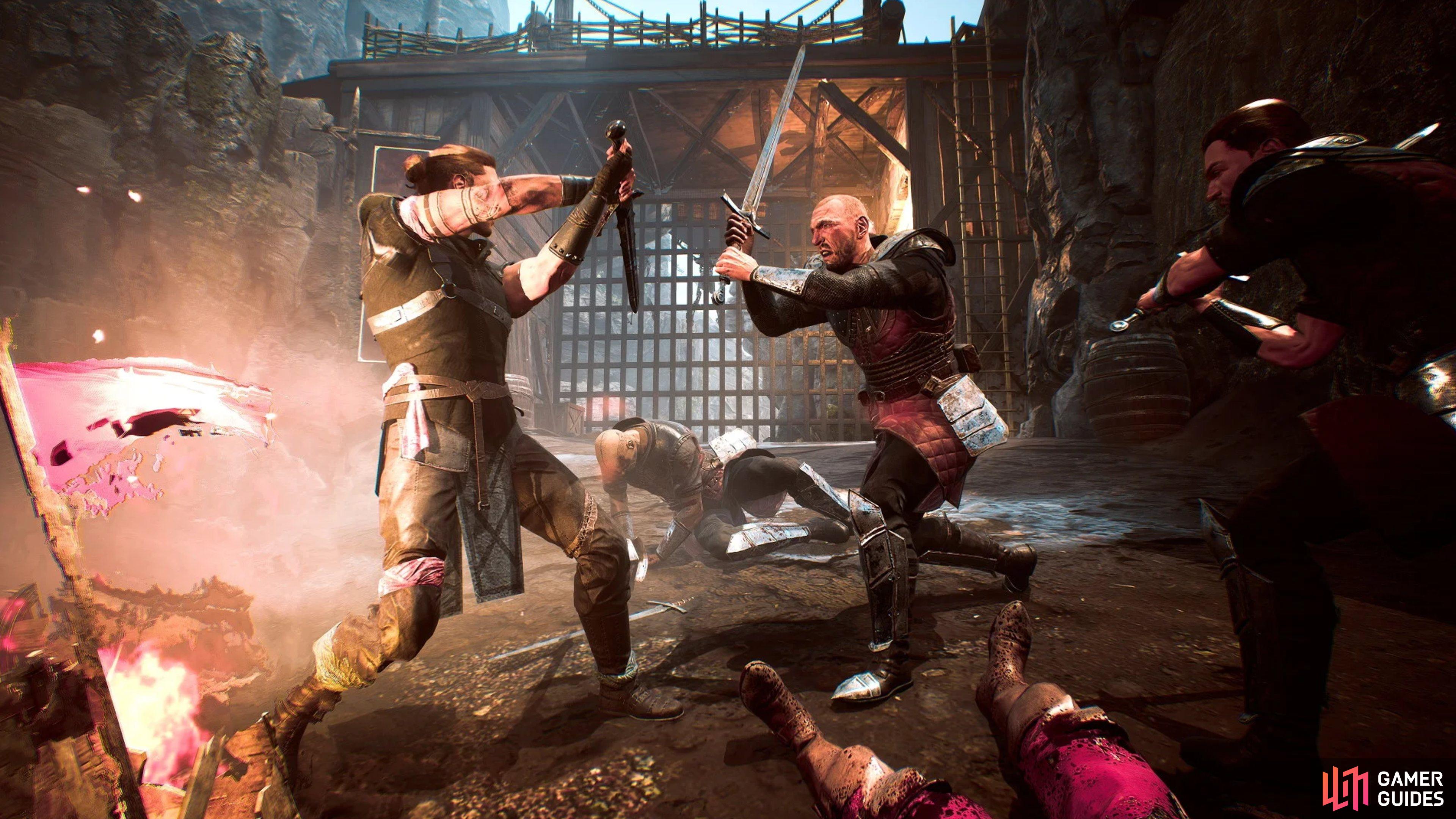
Combat offers a satisfying power curve that truly feels like you grow over the course of your playthrough.
The power curve is addictive here in Gothic and easily the strongest aspect of the game.
Obviously, it is a very different experience, but the journey is similar to Kingdom Come Deliverance and how you can feel yourself improving at the game’s various skills as you use them throughout the game.
The power curve is addictive here in Gothic and easily the strongest aspect of the game. It’s fueled by exploration and your own discoveries. The moment you find something that really elevates your abilities is a feeling that gets etched into your brain, and you can’t wait for the next moment like that. It’s scattered throughout the entire experience, and you go from barely being able to survive two hits to an unstoppable force, effortlessly slaying anything in your way.
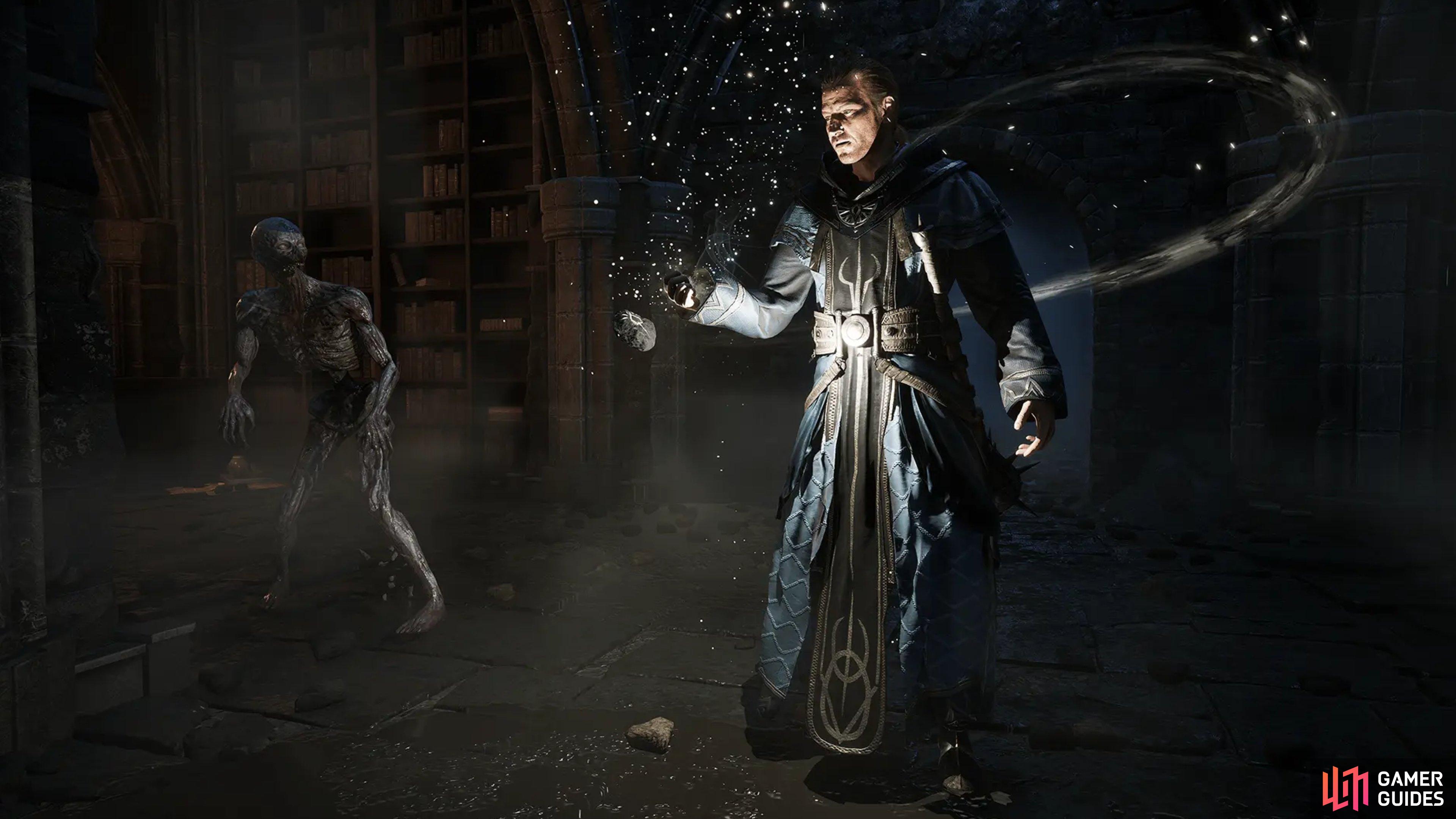
The power you feel as you progress and grow is one of the most satisfying feelings I have felt in an RPG of this scale.
Better But Not Entirely
Gothic Remake is undoubtedly a much better-looking and playing game. On a PC, it’s visually stunning, and the landscape pops far more than you think it would, considering it’s a lot of brown and grey initially. Character models are incredibly detailed, some of the best I have seen from a double-A RPG in a while.
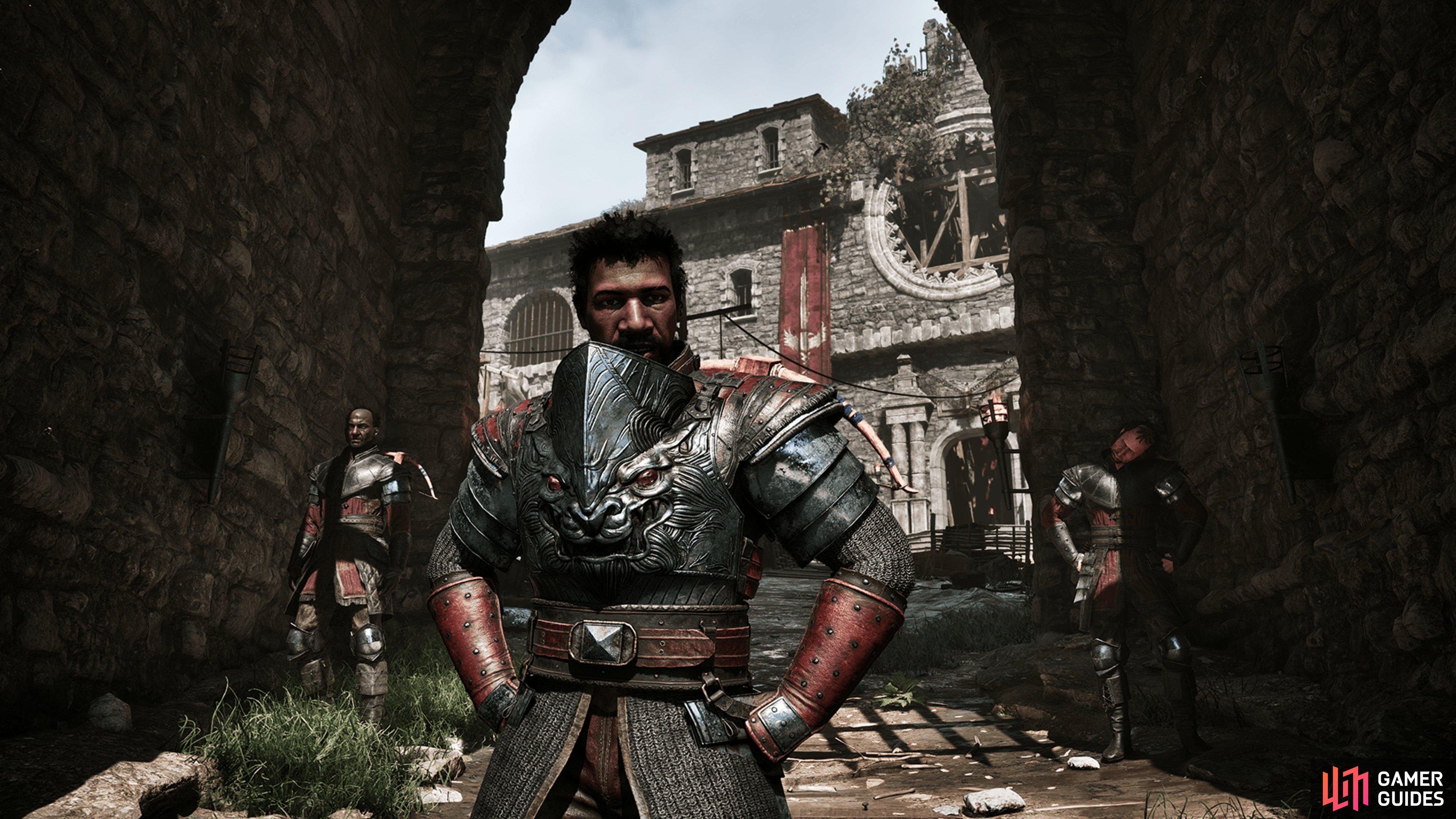
Gothic’s graphics continuously impressed me throughout my journey.
Visual effects, lighting, water reflections, shadows, it’s all strikingly premium-feeling for a THQ Nordic game.
But, it has been reported that performance on console is much worse, struggling to hit consistent framerates and looking muddy. I also experienced a fair few crashes, bugs, audio glitches, and weird eurojank. These aspects, on console or PC (where I played) is often described as the baggage that comes with Gothic, which was notoriously buggy and broken at times and in places. But, the Gothic remake is still a 2026 game that can, at times, feel a bit of a mess.
THQ Nordic is no stranger to releasing broken, buggy games, but most end up in a good place. You just have to accept that, right now, Gothic retains much of the original’s ‘charm’ in both good and bad ways.
Gothic retains much of the original’s ‘charm’ in both good and bad ways.
Despite that, Alkimia has done a pretty incredible job of recreating the experience if most fans are to be believed. Response has been positive, and the game has sold well. As a newcomer, I felt hooked consistently from start to finish, but I have also been through the grueling experience of reviewing soulslikes before they release publicly, so the brutal nature of Gothic’s gameplay and lack of hand-holding didn’t scare me much.
Not everyone will feel the same, but the remake has shown me why Gothic became a cult classic in the first place, and I get the sense it has revitalized the series. It’s a one-of-a-kind RPG and a piece of gaming history, given that so many of its mechanics and foundations went on to be the building blocks for later RPGs. Do yourself a favor and give it a try.
A Cult Classic Reborn
Gothic Remake does an incredible job of visually updating and modernizing a punishing RPG, while keeping the spirit and soul of the classic alive. It’s a part of gaming history, and while performance isn’t great and it can be punishing, you won’t find much else like it.
Gameplay:
Sound:
Graphics:
Story:
Value Rating:

No Comments