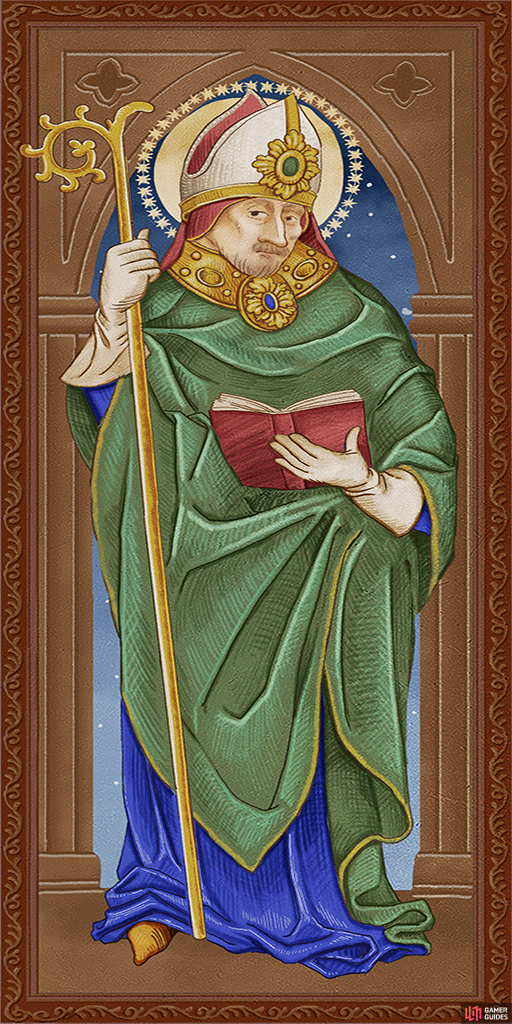
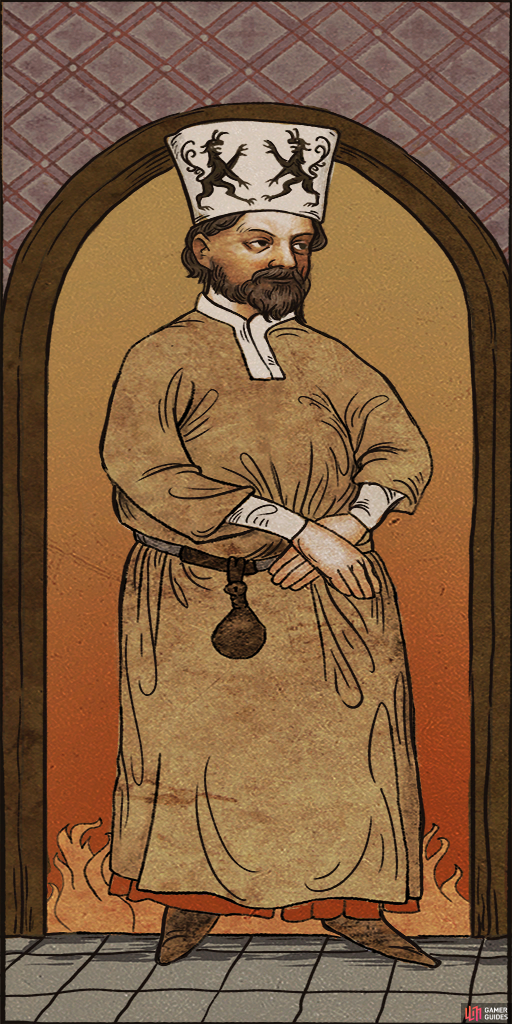
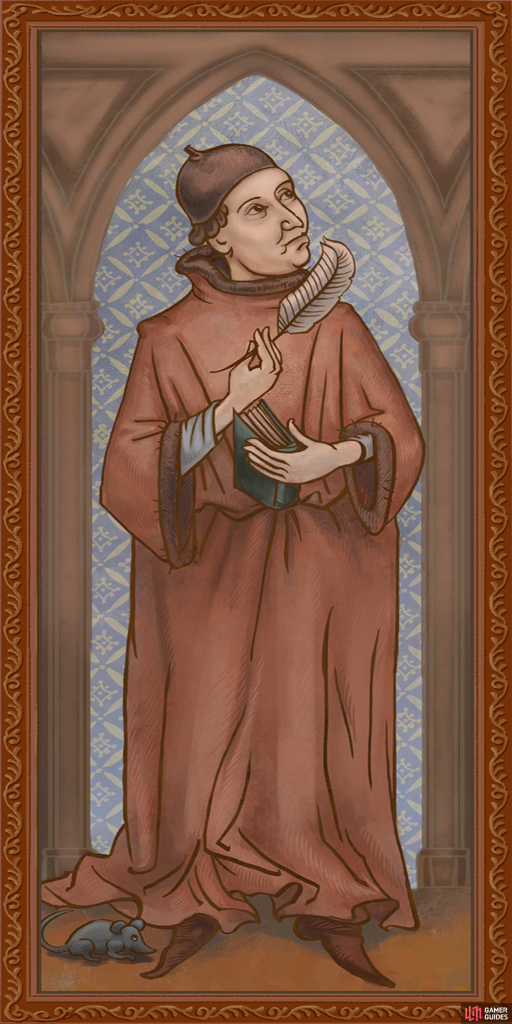
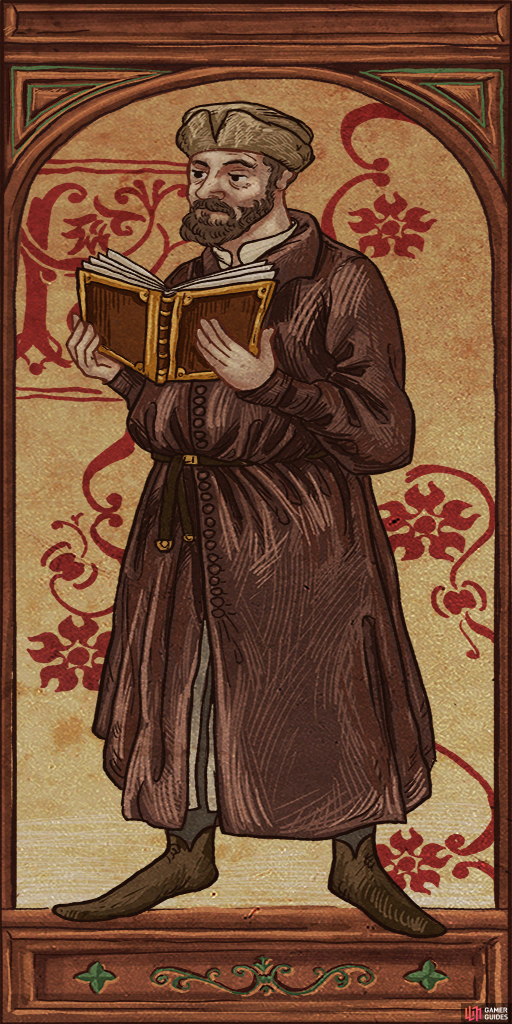
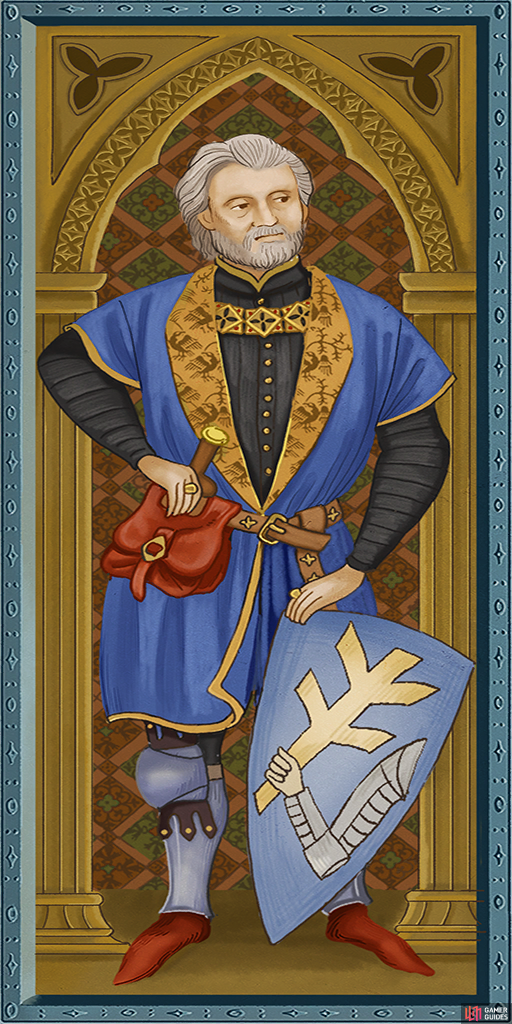
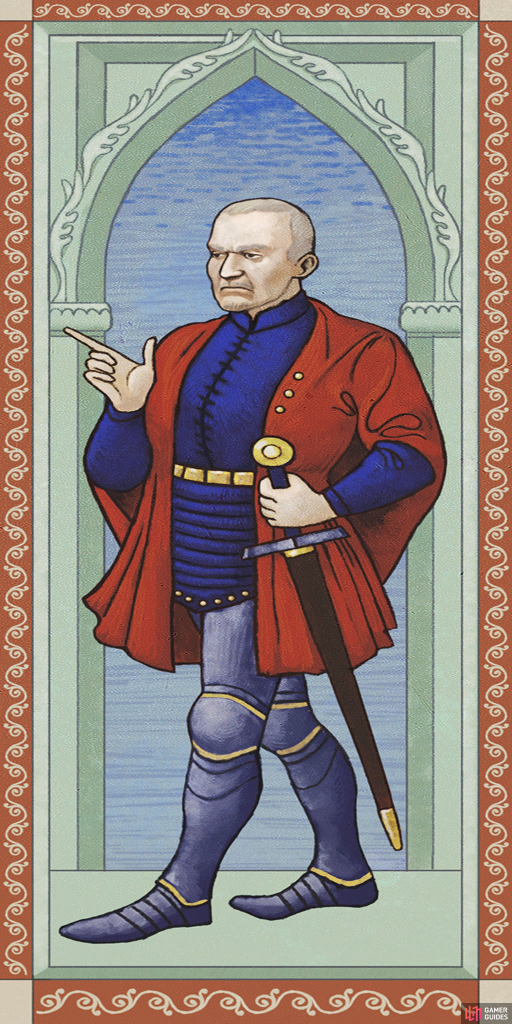
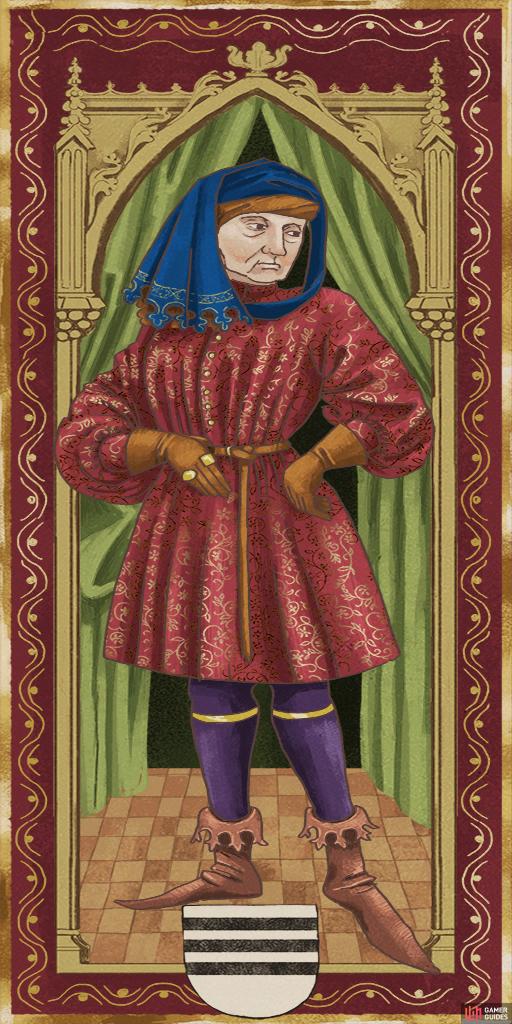
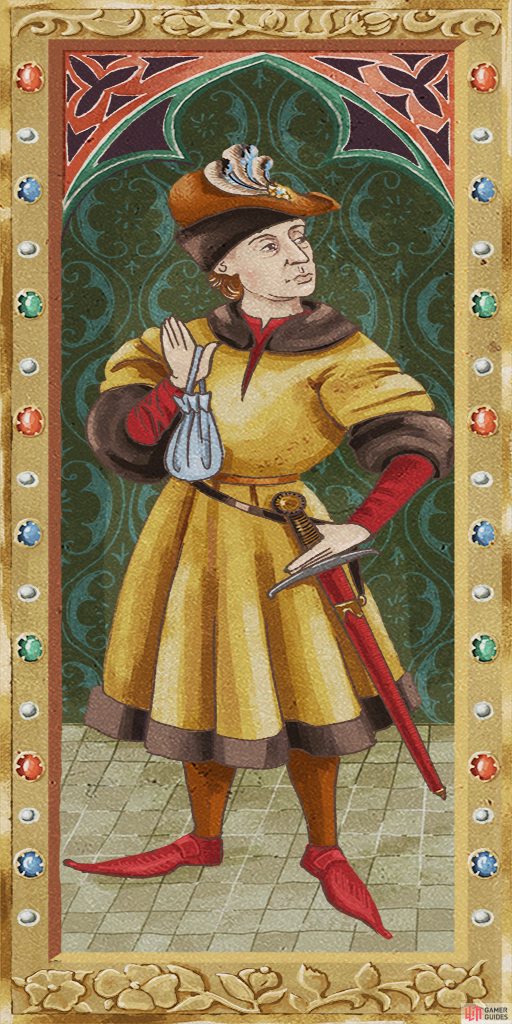
Czech physician, lawyer, provost of Vyšehrad and archbishop of Prague. From 1399, he was the personal physician of Wenceslas IV. By 1411, he was teaching medicine at the Medical Faculty of Charles University in Prague, where he dramatically raised the professional level and prestige of the entire faculty (medicine was not yet recognized as one of the ‘arts’). After the death of Wenceslas IV., he became the personal physician to his brother Sigismund of Luxembourg, who elevated him to the nobility for his services. During the Hussite wars, Albich had to abandon all his properties and flee the country. From his extensive literary legacy, the most significant works are Compendium medicinae (Medical Compendium) and Regimen sanitatis seu Vetularius (Rules for the Preservation of Health), intended for the general public.
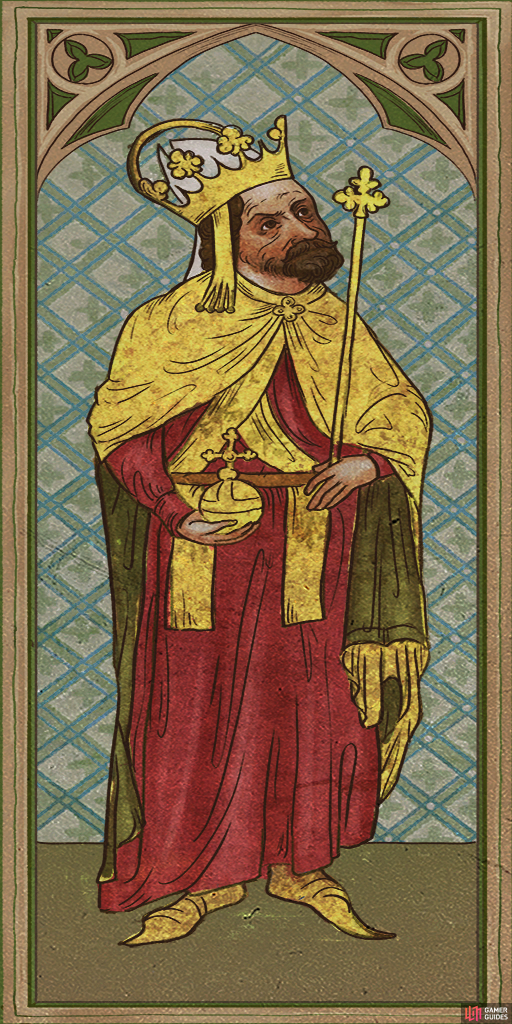
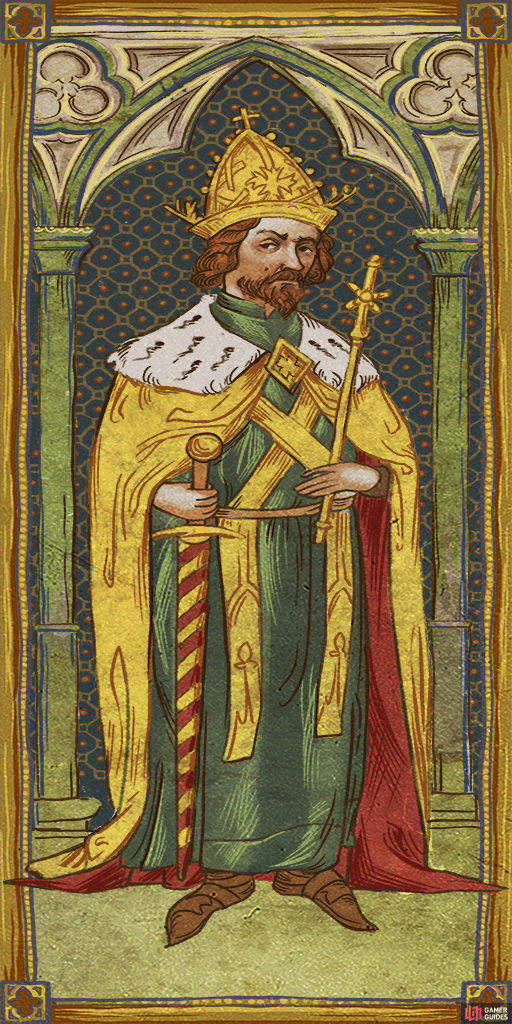
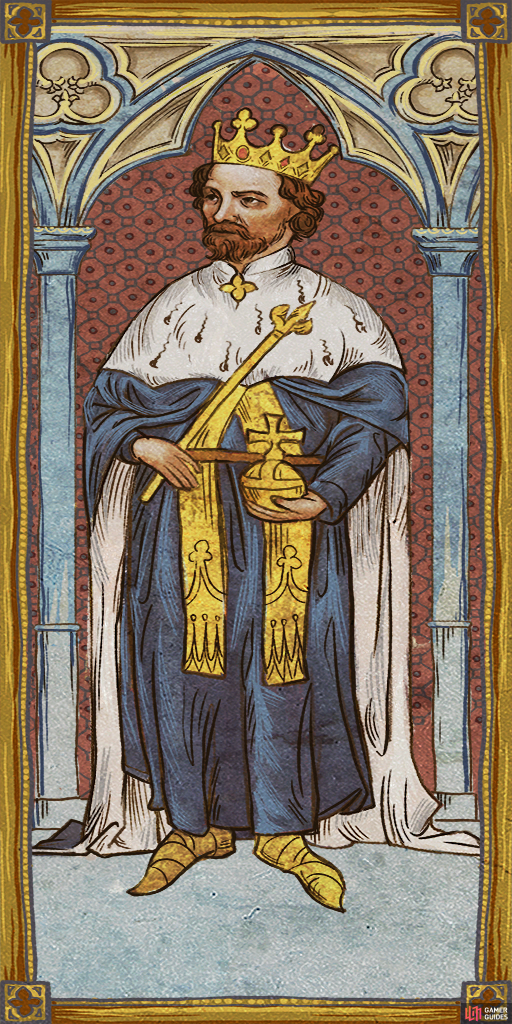
14 May 1316 - 29 November 1378 Charles IV of Luxembourg, son of John of Luxembourg, was the second king of Bohemia (1346-1378) of this dynasty and the first to be emperor of the Holy Roman Empire (1355-1378). Besides this he held many other titles, being Margrave of Moravia, Count of Luxembourg, King of Italy, Germany and Burgundy. He was known for his diplomatic skills, and actively sought to secure his position in Europe - especially in Bohemia, Moravia and Germany. He was fluent in foreign languages and was taught at the French court by the future Pope Clement VI himself. During his reign, Prague and the Bohemian territories underwent a major transformation. His father’s neglected kingdom became the centre of the Holy Roman Empire. The period of cultural and economic prosperity of the Bohemian lands is therefore called the*“Golden Age”*. Charles was therefore very popular and is still considered one of the most important rulers of the High Middle Ages. He married four times and had thirteen children. The most famous were his sons Wenceslas and Sigismund, who ruled the royal lands after him - Wenceslas in Bohemia, Sigismund in Hungary.
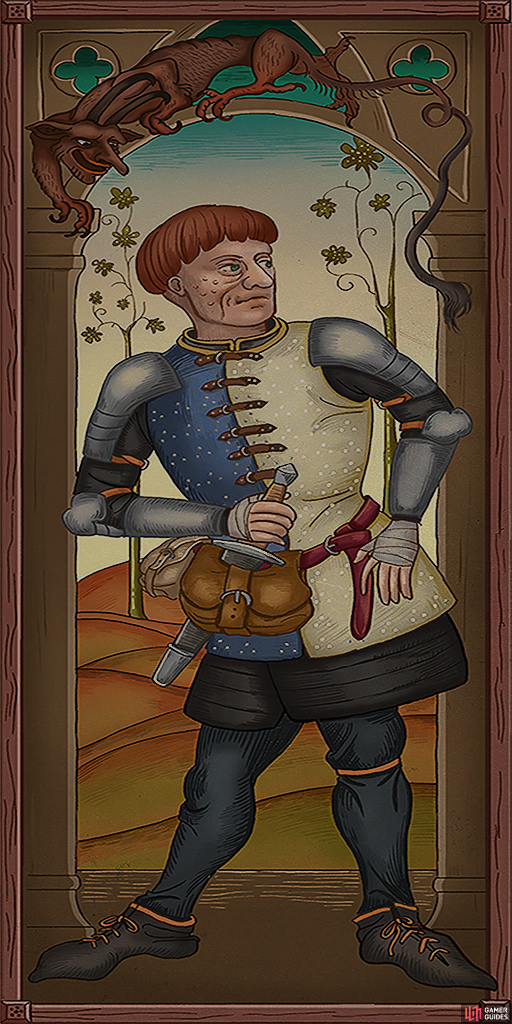
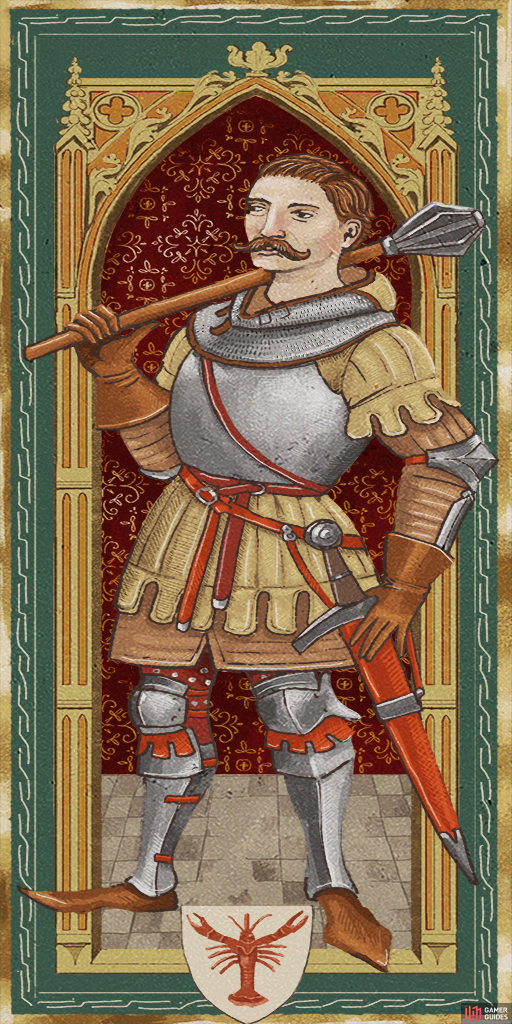
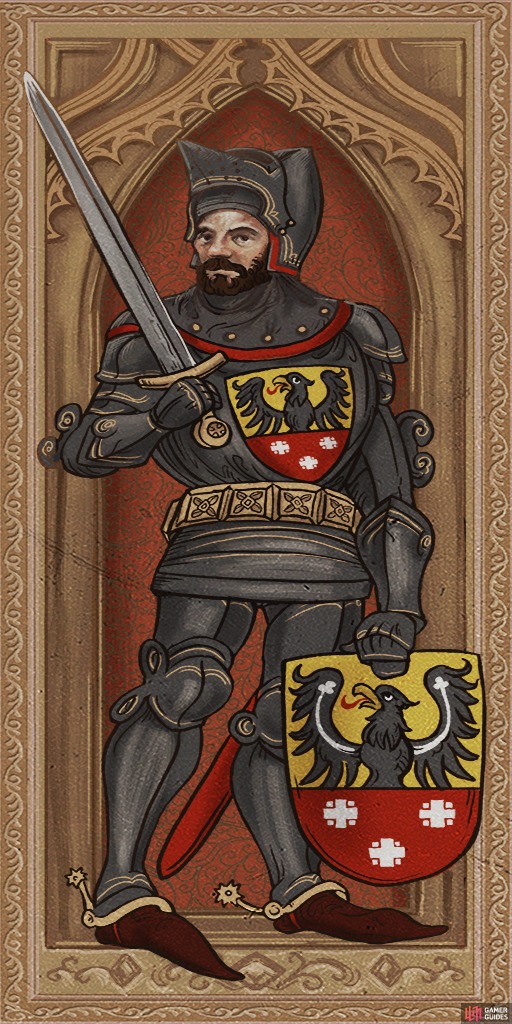
Originally named Hynek Jevišovský of Kunstadt, he was a fierce and fearless soldier who became famous as a robber knight during the Moravian Margraviate Wars, in which he repeatedly raided Austria in 1401 and 1402, continuing even after the first capture of the Bohemian king in Vienna. Only after the escape of King Wenceslas IV did the Austrian Duke Albrecht lose patience and so in 1404 he marched on Znojmo with 12,000 soldiers supported by another 12,000 soldiers of Sigismund of Luxembourg. However, the Dry Devil knew about the campaign. When the enemy troops stood in front of the town, it was already fortified and with substantial help from his friend Jan Sokol of Lamberg he repelled the attack. It should be noted that a dysentery epidemic, which had spread among the enemy to such an extent that both enemy nobles were infected, also contributed greatly to this. Albrecht IV of Austria even died of the disease. And so the Dry Devil continued to pillage and plunder. Eventually, however, even Wenceslas IV ran out of patience and had Hynek imprisoned in 1407. He was soon released, but did not enjoy his freedom very long, for he died in 1408.
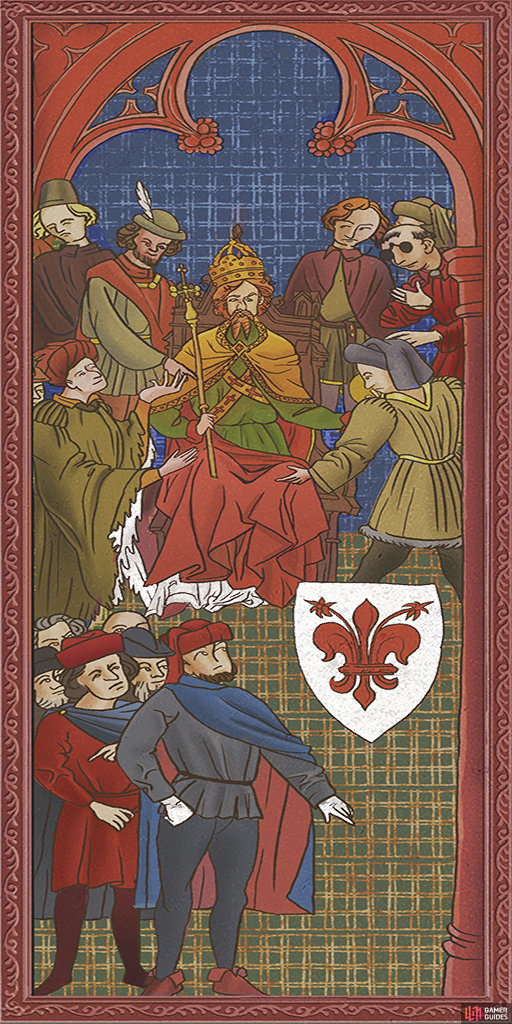
The presence of Italians played an enormous role at the court of the Luxembourg dynasty, both under Wenceslas and Sigismund. They brought news concerning papal politics, and significantly influenced the election of the Holy Roman Emperor. While Wenceslas IV was supported by members of the Visconti family of Milan, Sigismund was backed by the wealthiest Florentines.
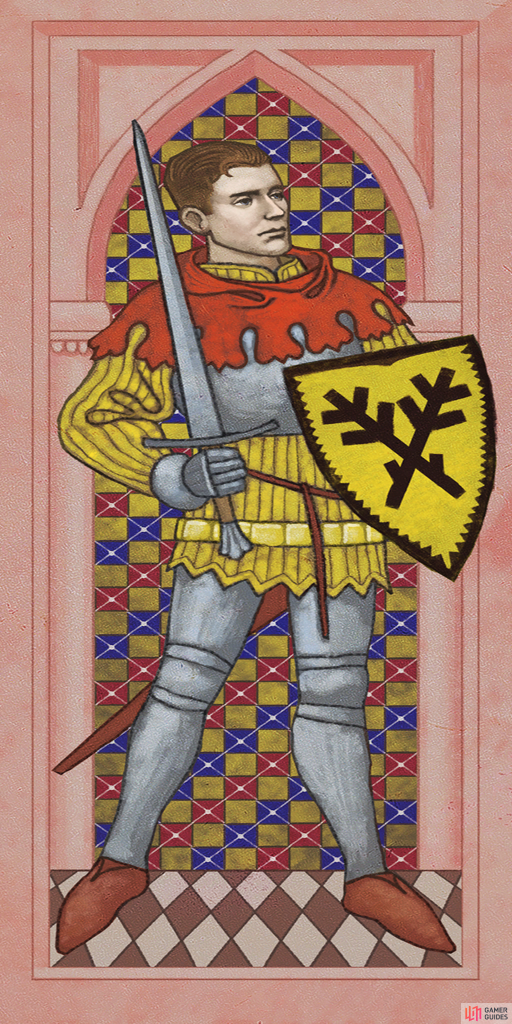
Important positions in Sigismund’s royal court were administered by, among others, Pippo Spano, known in Czech as Pipa Vlach. In a short and politically unstable period, he proved to be not only a capable merchant but also a military tactician. He was the first to organise a defensive system in the Hungarian towns against attacks from the Ottoman Empire, for which Sigismund made him the chief commander of the Hungarian army.
In 1403, Pippo saved the king from death during an attack by Hungarian barons. He later commanded soldiers in a campaign against Venice and the Hussites, and was inducted into one of the most prestigious knightly orders of the time, the so-called “Order of the Dragon”.
c. 1370 - 6 July 1415 Jan Hus was a priest, thinker and one of the most important Czech and European religious reformers and preachers. His works, inspired by the theological writings of John Wycliffe, was key to understanding the essence of the Church Reformation
As of 1398 he taught and spread his views at PragueUniversity and from 1402 he preached at the Bethlehem Chapel in Prague. From there he initiated discussion among the broad classes of burghers on current religious and secular issues. For his strong, but very popular, criticism of conditions in the Church, he was eventually excommunicated by the Pope in 1412 and had to take refuge in the countryside.
At the Council of Constance, where he was invited by Emperor Sigismund to defend his views, he was condemned and burned as a heretic. His legacy, however, sparked a strong uprising in the Czech lands against the existing order. This began a period known as the Husitte Wars (1420-1434).
1388(?) - 1419 young Lord Capon Son of Ješek Capon and Hedvika of Duba. After the death of his father, Jan Ješek, the lords of Leipa (uncle Henry, his son Hanush and his brothers) became his guardians. After the imprisonment of Master Jan Hus, he signed a petition in his defence. In the Hussite wars, however, he initially sided with the League of Lords against the Hussites in a few minor battles (in 1419 he took part in the battle against the Hussites at Knin), apparently due to the influence of his close neighbour Lacek of Kravař from Šternberk. There are no records indicating he took part in the war later. He was the lord of Rattay and Polná. He acquired Rattay from his guardians only in 1412. He held positions in the provincial offices and his son is the famous Hynek Capon.
One of the most famous and controversial figures in Czech history. The man who became the face of the Hussite uprising. Unfortunately, only the last six years of his life are thoroughly documented. We know that he lost an eye in his youth and that in 1408, Zizka served in the sabotage unit of a certain Matthew the Leader and made a living as a bandit in the service of various nobles. According to some leading Czech historians, the activities of his band had more of a political than a material character. From existing records, we know that when he was later arrested and sentenced, King Wenceslas IV granted him a pardon. There is a theory that at least part of his activities might have been carried out at the behest of someone from the king’s entourage. His most famous historical period follows the outbreak of the Hussite uprising when he took command of the rebel forces and earned a reputation as a brilliant strategist and an undefeated military leader who led the Hussites from victory to victory.
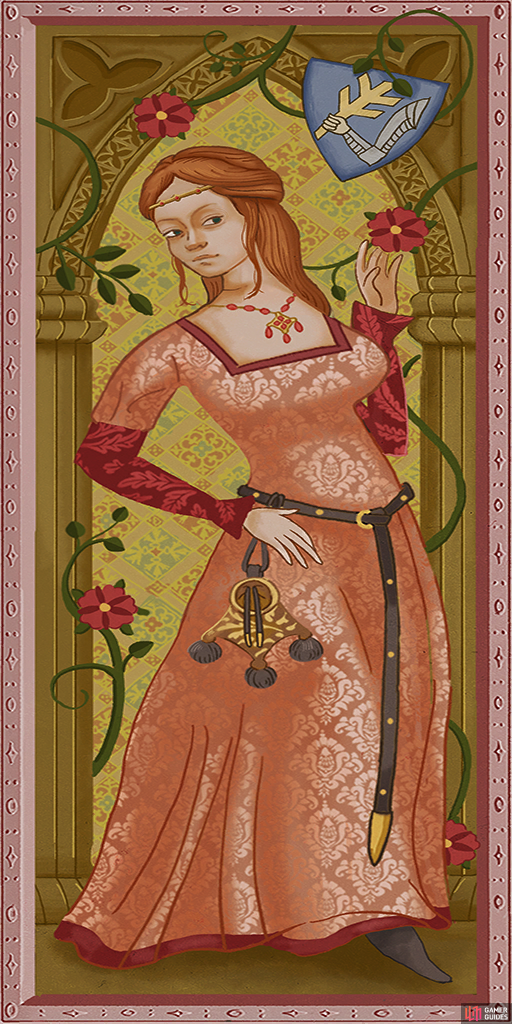
Future wife of our Hans Capon, the daughter of Erhart the Elder of Kunstadt and Jitka of Medritsch. Unfortunately, we do not know exactly how the marriage was arranged, but it is recorded that thanks to this marriage, Hans Capon expanded his domains in Moravia. He had a son named Hynce with Jitka, later nicknamed the “King of East Bohemia”, a tireless organiser of the Bohemian political scene and a predecessor of the Hussite king George of Podiebrad. Otherwise, all we know about Jitka of Kunstadt is that in 1408, Hans Capon granted her a dowry of 60,000 Prague groschen.
1354 - 18 January 1411 Jobst was the Margrave of Moravia from 1375 and of Brandenburg from 1388. He even reigned as Holy Roman Emperor for 15 weeks (1410-11). He was the son of John Henry of Luxembourg and nephew of Emperor Charles IV. He secured his position in Europe through military and political intrigues against family members, especially Wenceslas IV.
Initially, he supported Sigismund of Luxembourg in his quest for the Bohemian crown, as this granted him and other nobles many privileges and ensured future influence should king Wenceslas IV be deposed. In 1402, however, the situation changed, perhaps due to the imprisonment of his brother Prokop, and Jobst eventually stood against Sigismund and played a leading role in king Wenceslas’s liberation. Jobst even ran for the position of Holy Roman Emperor against Sigismund towards the end of his life - and won. He did not enjoy the title for long, however, as he died shortly thereafter. Despite being very able both politically and economically and having significant support from the nobility, by the time of the events of our game he was deep in debt.
Johannes von Gelnhausen was a lawyer, mining scribe and archivist of the imperial chancery. As the second-born son of a German noble family, he went to study and before 1365 he secured the post of mining scribe in Kuttenberg. In the following years, he served the most powerful men of his time and travelled throughout the empire with the imperial court of Charles IV. Later, as an expert in both types of law, he led the office of Bishop John of Neumarkt in Olomouc and subsequently was a city scribe in Brno until 1389. It was only towards the end of his life that he created his seminal work known as the Gelnhausen Codex. An illuminated legal treatise for the mining town of Jihlava, Johannes made full use of his experience here, taking inspiration from the Mining Code of Kuttenberg, Ius regale montanorum.
1386 - 1412 A member of the Council of the Moravian Margrave, Jobst of Luxembourg, who was one of the few Moravian Lords not to fight against the King alongside Jobst. The Liechtensteins were a wealthy family, owning estates in the Styrian and Lower Austria regions from the 13th century onwards, their main seat being Mikulov (Nikolsburg). The Liechtenstein princes were in close alliance with the Habsburgs and Luxembourgs. In the war against Sigismund, John of Liechtenstein supported Wenceslas, helping to rescue him from captivity, but by so doing fell out of favour with the Austrian Dukes, who confiscated his estates around the Danube and imprisoned him. After the death of Wenceslas, the Liechtensteins aligned with Sigismund.
cca. 1355 – 28 September 1410 Jan Sokol of Lamberg was a military leader, provincial governor, son of Jaroslav of Kninice, and a friend of Radzig Kobyla. He actively participated in the internal disputes of the Luxembourg dynasty, siding with Wenceslas IV. For his loyalty, the king rewarded him with the village of Horky and the castle of Skalitz near Kostelec in Bohemia. In 1404, Jan fought against Sigismund of Luxembourg at Znojmo. As a member of Wenceslas’s retinue, he met Jan Zizka in 1409 and went into battle against the Rosenbergs with him. He fought in the Battle of Grunwald, where he sided with the Polish-Lithuanian coalition. After the battle, he was likely poisoned at a feast at the court of Polish King Władysław Jagiełło.
The brave and determined helper of Jan Zizka of Trotznov is mostly just a fictional character, although women bearing this name played important roles in Zizka’s life. The first Katherine was probably his mother, although this is not certain, as other sources name her Johanna. We know more about the second Katherine. In the provincial land-registry books we learn that Jan Zizka married her and acquired a farm in Čerejov as a dowry. They even had a daughter, although her name is unknown. After Katherine’s death, Zizka married… yet another Katherine. Again, we do not know anything about her, except that Zizka inherited her property after her death. In view of the importance of this name in the life of this great figure of Czech history, we decided to interpret the character of Katherine in our own way.
Konrad of Vechta had a rather illustrious career: he started as a priest, but because he was skilled in handling finances, he entered the service of King Wenceslas IV and was a member of the royal council from 1398 to 1400. Later, he was appointed the royal mint master and also held the offices of the Bishop of Verden and Olomouc and even Archbishop of Prague.
As the highest-ranking Bohemian clergyman, he crowned Sigismund of Luxembourg as King of Bohemia after the death of Wenceslas IV, but he never became Sigismund’s ally. After the outbreak of the Hussite uprising, he supported its ideals and ordained Hussite priests. However, this had fatal consequences for him. By joining the Hussites, the property of the Prague archbishopric was secularised; the bishops of Olomouc and Leitomischl and most of the Catholic priests renounced their allegiance to Konrad, and the Pope excommunicated him. He also lost the support of the Emperor. Konrad was deprived of his office in 1425 and died forgotten in obscurity.
At the time of our game, Konrad was a mere royal official, his dramatic career as a high-ranking clergyman had yet to come.
In this case, Kunzlin Ruthard is a fictional character inspired by two different persons of the same name. The Ruthards descended from an old branch of minor Bohemian nobility who settled in Kuttenberg and gained substantial wealth there; this led to the family’s promotion to knighthood. In 1364, Kunzlin Ruthard bought the Maleshov fortress from the Sedletz Monastery and added “of Maleshov” to his family name. He died sometime around the year 1376. His descendant Wenceslas Ruthard then sold the fortress in 1407. Another Kunzlin Ruthard had an altar built at the so-called Ruthard Chapel in the Tall Church in Kuttenberg.
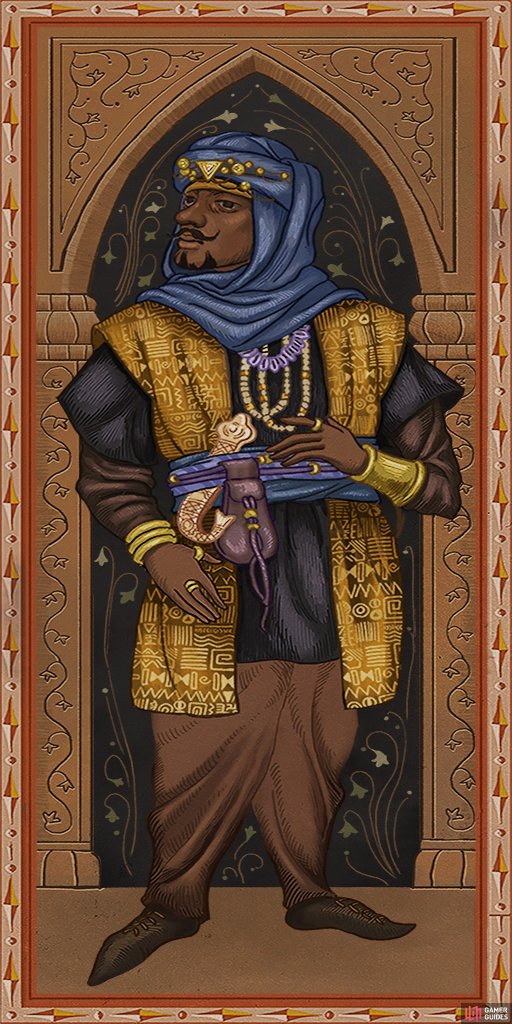
The travelling scholar Musa, who often has more respect for a pretty bathmaid than a powerful nobleman, may be a fictional figure, but his origins, name, and even character are based on real people. The first of these is King Mansa Musa, ruler of the Mali Empire, who lived in the early 14th century. Musa contributed significantly to the spread of Islam across North Africa and the Middle East and to the development of the city of Timbuktu, where he built a mosque and university that still stand today. According to modern estimates, Musa was the richest man in history, with a fortune estimated at the current equivalent of 500 billion dollars. Our other model for Musa is Ibn Battuta. An Arab scholar and one of the most important travelers and cartographers of the 14th century. He spent nearly thirty years on the road, during which time he covered much of the then known world. He visited countries of North Africa, the Middle East, India, China and Europe, surpassing all of his contemporaries in the scope of his travels. At the end of his life, he dictated his experiences in the travelogue Rihla (Journey).
before 1377 – circa 1414 Otto III von Bergow was a notable Czech nobleman of Thuringian-Meissen origin who held royal offices at the provincial court and served as the burgrave of Prague from 1388 to 1393. Later, as a leading member of the League of Lords, he served on the royal council, where he actively opposed his king, Wenceslas IV. During Wenceslas IV’s imprisonment in Vienna, Otto held the position of the highest provincial chamberlain, a post entrusted to him by the Hungarian king Sigismund of Luxembourg. In this role, he was responsible for tasks such as collecting taxes from royal towns and certain monasteries or approving appointed councilors. Otto’s original domain included Biela (Bílina) and Seeberg (Žeberk) in northern Bohemia, which he sold to purchase the Rohozec estate and Trosky Castle, which he extensively rebuilt. After Wenceslas IV returned to the Czech throne, he was removed from his offices and died in 1414.
Otto IV, called Young Bergow of Trosky, was a member of the League of Lords and the son of Otto III. He fought against the Hussites and ransacked the Opatowitz Monastery.
As well as daughters he had only one son, John II, with whose death in 1455, the family died out by the sword.
1354/5 - 24 September 1405 Prokop of Luxembourg, son of John Henry of Luxembourg, was a provincial governor of the kingdom and Margrave of Moravia from 1375 to 1405. Together with his brother Jobst, he was to rule Moravia, but most of the time they fought disputes over succession and the future of the Luxembourg dynasty, which had ambitions to win the Polish and Hungarian crowns. After the death of Charles IV, he initially supported the policies of Sigismund of Luxembourg and fought against Wenceslas in the so-called Margraviate Wars. But after the Bohemian nobility imprisoned Wenceslas, he sided with him and became his ally. The relations between the Luxembourgs, Prokop and Jobst illustrate very aptly the intrigues of the time. Jobst and Prokop waged wars against each other for years, only to ally themselves with Wenceslas against Sigismund and then betray the King and side with Rupert of the Palatinate. When Sigismund once again kidnapped the King and imprisoned him in 1402, Prokop was also captured as his ally in Pressburg (Bratislava) and held for two years. His illegitimate son George of Luxembourg was the last descendant of the Luxembourg dynasty, who could not inherit any property or titles.
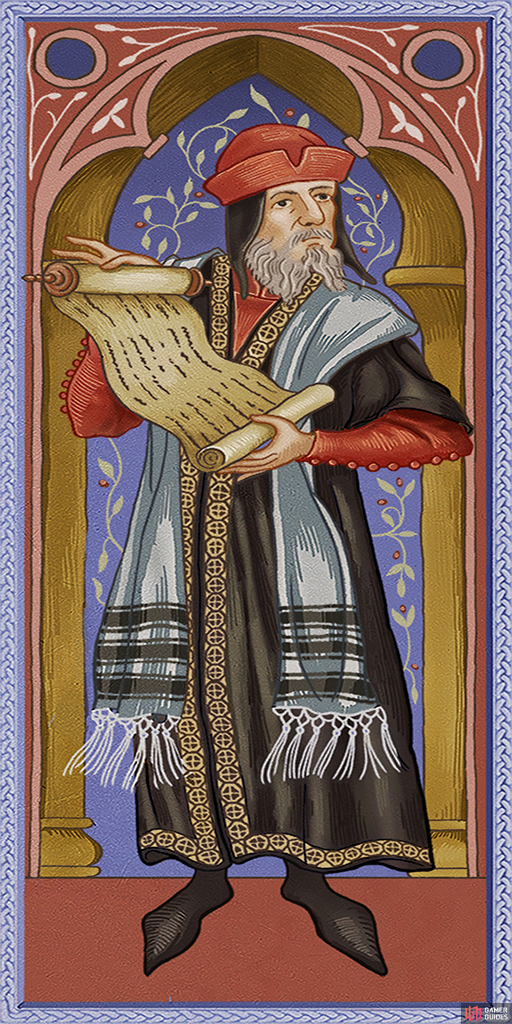
A high religious authority in Judaism. The term translates as ‘teacher’, or also originally as ‘lord’ or ‘master’. The title was first applied to scholars who could trace their learning in a continuous line back to Moses; today it is more associated with spiritual leaders of the Jewish community. The designation ‘Rabbi’ can also mean a sense of respect and humility for any person educated in matters of Judaism and the so-called Halakha (body of religious law). A Rabbi is someone within the community who makes decisions about its affairs and has the final say in them. Often also the one who spoke for the community externally.
? - 1416 Radzig Kobyla was a Bohemian yeoman, the Royal Hetman of Wenceslas IV and, between 1410 and 1415, Burgrave of Vyšehrad. In 1403 he was the hetman in Silver Skalitz, where he oversaw silver mining. The king was known for his favour towards lower nobility, to whom he awarded high positions in return for their loyalty. Radzig was probably one of these and likely a friend of the king. In 1403 Skalitz was besieged and burned to the ground by King Sigismund and his Cuman army. For his service and loyalty, King Wenceslas IV permitted Radzig to build his own castle at Veselí nad Sázavou (Sasau). He was killed in 1416 in a tavern in Kuttenberg by a mob of miners, incited by priests. “They seized them in the inn where they were staying, cut their bodies into pieces and threw them into the street, where the mob vigorously stomped on their remains and, singing joyful songs, went to the priests’ house to be praised for the act they had been encouraged to commit.” This occured when he was there to collect taxes for the king. Interstingly, six years earlier he had likely been a robber knight. It is unclear from the sources, how he returned to the king’s service.
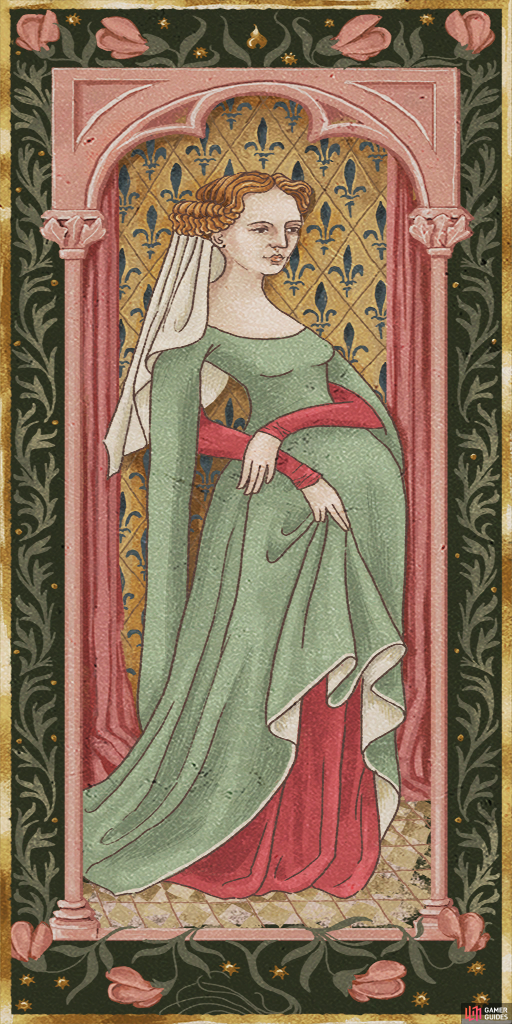
Rosa Ruthard is not a documented historical figure. She is inspired by Rosa/Rozina from a Kuttenberg legend, which was adapted by Czech playwright Josef Kajetán Tyl. The story intrigued us, but ultimately, we retained only her name from the tale of the daughter of a wealthy nobleman from the Ruthard family. The original legend goes like this: Rosa was the daughter of George Ruthard, a wealthy but very stingy townsman of Kuttenberg. She was beautiful and intelligent, so she had no shortage of suitors. However, her father feared this, as the last thing he wanted was to diminish his treasure with his daughter’s dowry. He secured his wealth in a very cruel manner - he had his daughter bricked up in the same cellar where he kept his riches. Her ghost later haunted the house and its surroundings; people in the street would hear crying at night. The spirit often appeared to the house’s residents and predicted terrible misfortunes. This eventually came true - in 1648, the house collapsed, burying everyone inside.
February 14 1368 - December 9 1437 Sigismund of Luxembourg, son of Charles IV and his fourth wife Elizabeth of Pomerania, was king of Hungary and Croatia, then king of Germany, Bohemia and Lombardy. His upbringing at the Hungarian court taught him the hard rules of politics. After his abduction by Hungarian nobility, he hardened towards them and tried to increase his prestige by gaining the imperial title of his brother Wenceslas IV. Sigismund was rather positively received by the Bohemian nobility. However, some of them continued to support Wenceslas IV, which led to a prolonged military conflict. Sigismund, with the help of Bohemian and Moravian lords and an army reinforced by Cuman mercenaries, ravaged Bohemia in an attempt to destroy Wenceslas’ allies. Eventually, however, he was forced to retreat back to Hungary to suppress a noble rebellion. He entered Bohemian history as an erudite, pragmatic ruler. He acted as a defender of Christianity against the expanding Ottoman Empire. After the death of his brother, he fought against the Hussite uprising, which did not acknowledge him as the rightful king. He called for four unsuccessful crusades against them and died shortly afterwards, just after being crowned Holy Roman Emperor.
? - 1415 Following the death of Heinrich III of Pirkstein in 1402, Hanush of Leipa became the guardian of the former’s son, Hans Capon and thus the acting governor of the surrounding region. He completed the construction of Pirkstein, its fortifications and the local church of St. Matthew, which contains a shrine to his family. When Sigismund of Luxembourg invaded and burned Skalitz, the town’s Burgrave, Radzig Kobyla, and the survivors of the raid found refuge with Hanush. Hanush subsequently took action against scattered groups of brigands and Cumans. His relationship with the king was peculiar to say the least, judging by often contradictory sources. It appears that in 1410 crown forces descended on the town of Rattay in Hanush’ domain, probably after he became a robber baron and rebel, who may also have participated in the siege of Jihlava in Moravia. Nevertheless, in 1414 he became a Provincial Marshal and dwelt together with his wife Margaret of Sternberg at Spilberg in Brno.
1360/70 - 27 December 1402 He was the Hetman or Governor of Prague, who, much like those members of the nobility disgruntled with the reign of Wenceslas IV, saw in Sigismund of Luxembourg a better potential King. His motivation, however, had more to do with money and power - he saw no future gains from Wenceslas, whereas aiding Sigismund promised better prospects. Therefore, it was not difficult for him to switch sides and in 1402, at the call of King Sigismund, he joined the siege of Kuttenberg as the leader of the Prague troops. It was here that he was killed by an arrow after just a few days. For our purposes, we decided to delay his departure to the other world a little longer.
Botschek of Kunstadt, whom the player meets at a council of lords loyal to King Wenceslas, is a composite of two real men of that name.
The first was Botschek of Kunstadt and Podiebrad, a Moravian nobleman. We know that in 1353 he was given the title of favourite and royal cup-bearer by Charles IV. Besides Podiebrad and many estates in Moravia, he owned a splendid house in Prague, which the king exempted from all taxes and fees. He later clashed with John Henry the Moravian margrave and brother of Charles IV, over his unfinished castle at Obřany. After the king’s intervention, he had to demolish the castle and reconcile with the margrave. In 1371 he took possession of the important castle of Lititz.
His son, Botschek of Kunstadt, followed in his father’s footsteps and became one of the richest and most influential nobles of his time. With his two wives he fathered four sons. The third of these, Victor, was the father of the famous Czech king George of Podiebrad.
The House of Kunstadt continued until the 16th century, when having been one of the most numerous families up until then it died out.
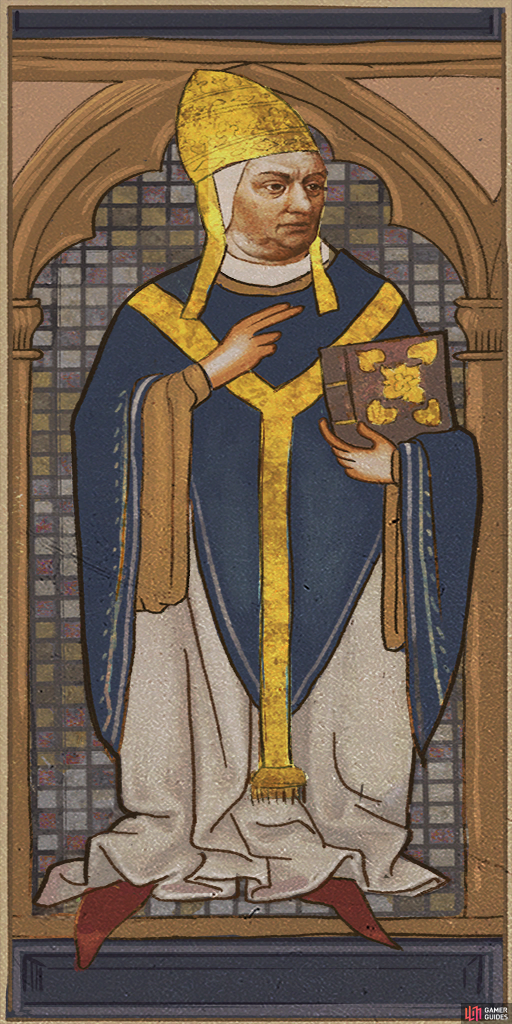
The Pope is the supreme head of the Catholic Church, the representative of Jesus Christ on earth. His word is sacred to Christians and his office irrevocable. However this has not always been the case, as we have seen multiple times through history. As a result of papal schisms, several popes were sometimes in office at the same time during the Middle Ages - invoking and cursing each other and claiming to be the one, sovereign and true head of the entire Catholic Church. For secular rulers, then, adherence to a particular pope was more a matter of politics than faith.
Twice during his life, he was appointed royal mint master, and after the outbreak of the Hussite uprising, he was one of the few representatives of the higher Czech nobility to join the rebels. We know nothing about his life before the outbreak of the uprising, except that in the years 1402-1403 (or 1404), during King Wenceslas’s absence from Bohemia, he held the office of mint master. His later life is documented, during which he supported Jan Hus and complained to King Sigismund about his burning. He initiated the negotiations of the Four Articles of Prague (which defined the direction and demands of the uprising) and was elected as a representative of the nobility to the provisional government at the Congress of Tschaslau. He marched into battle alongside Jan Zizka, and in 1421, he became the mint master of Kuttenberg for the second time.
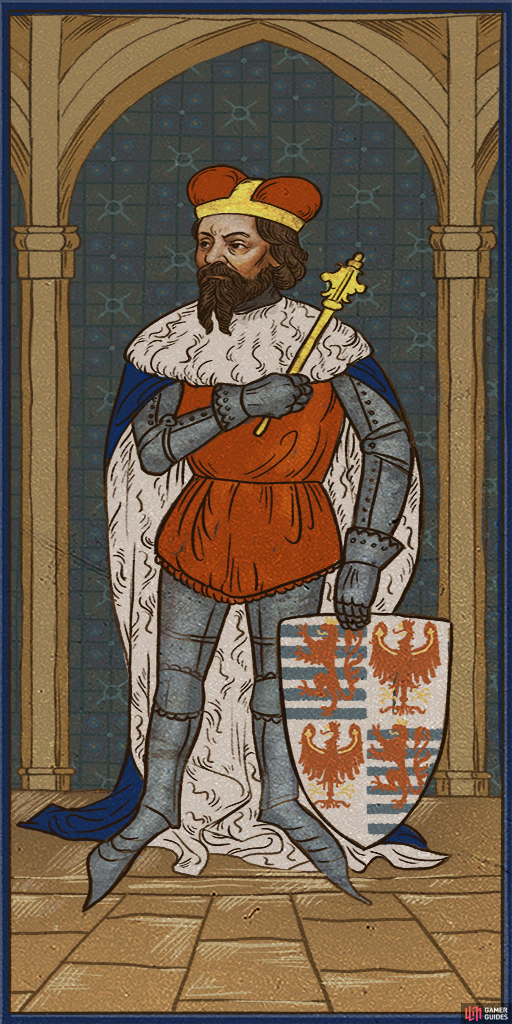
26 February 1361 - 16 August 1419 Wenceslas IV, son of Charles IV and brother of Sigismund of Luxembourg, inherited the throne of Bohemia and the Holy Roman Empire, but was not nearly as successful a politician as his father. He was criticised for his rule and behaviour during his lifetime. Despite being prepared for leadership since childhood, he was plagued by many illnesses and later preferred spending time in leisure rather than fulfilling his duties. This led to many conflicts and wars, especially with his relatives. With his cousins Jobst and Prokop of Luxembourg he fought the so-called Margraviate Wars over estates in Moravia, and with his brother Sigismund he fought for sovereignty. His legitimacy as king was repeatedly questioned by the nobility. Because of his unwillingness to keep his commitments, he was even captured - first by the Bohemian nobility, and then by his brother Sigismund. Wenceslas initially supported the reformist proposals of Jan Hus, but later sided with the Pope. In effect, he allowed the largest civil uprising in Europe - the Hussite Wars - to break out, which he did not live to see, as he died in 1419. After his death, Sigismund took the crown.
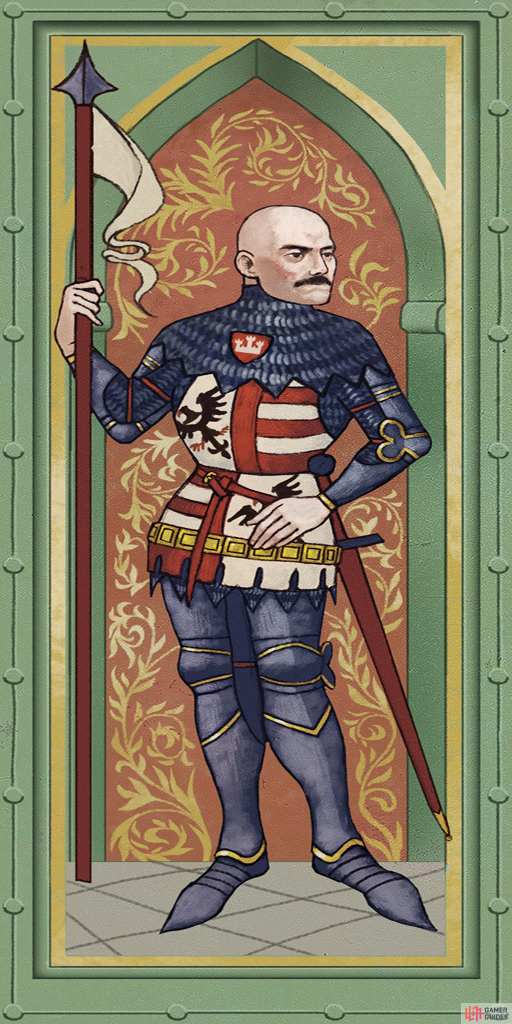
The Invincible Knight, exemplar of all knightly virtues, undefeated champion of tournaments, the most famous among the famous. With these and many other epithets, Zavish of Garbow was known, likely the most renowned knight of his time and certainly the most famous Pole of the early 15th century. Sources indicate that around 1403 he served as a mercenary knight in the service of Margrave Prokop and led a guerrilla war against the Bishop of Olomouc. Later, he served at the court of Sigismund of Luxembourg, with whom he campaigned in Bosnia. In 1410, he fought on the side of Poland in the famous Battle of Grunwald. He died in 1428 in Serbia during a crusade against the Turks.
The first mention of the Cimburk (Zimburg) family dates back to 1142, when an alleged ancestor of the family, Miroslav, founded Sedletz Monastery - the oldest Cistercian abbey in Bohemia. His origins are unknown and the coat of arms, of silver and red battlements, is only documented on a seal from the 14th century. The original family seat is unknown, but according to legend the Cimburk family themselves considered it to be a castle above the Vrchlitz valley near Poličany. However, research here has only documented a nameless prehistoric and early medieval hillfort. Two other castles of the same name were founded by the family during the 14th century in Trnávka and near Koryčany in Moravia. Notable members of the family were the brothers Jan Balšán(Posy) and Miroslav of Cimburk, who got into a dispute over their inheritance with their uncle Aleš (Alesh). They became infamous as robber knights and mercenaries during the Hussite Wars.