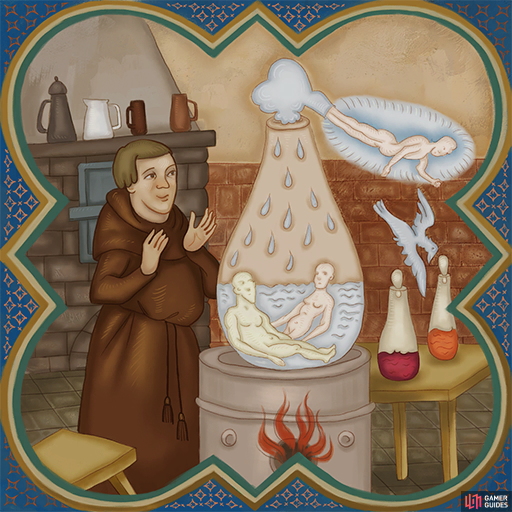
Alchemy was a discipline combining mysticism, hermeticism, chemistry, physics and many other spheres of learning. Medieval alchemists worked in laboratories, often situated at noble mansions or in Royal cities. They found employment in smelters, mints, mines, glass-works and wherever industrial production needed assistance. The work of alchemists was challenging and costly, so it required the support of patrons. Successful alchemists earned wealth and fame, while the unsuccessful ended up in prison or were sentenced to death. Two fundamental alchemical objectives persisted through the entirety of the Middle Ages: to find the mystical “philosopher’s stone”, and to transmute base metals into gold.
In KCD, we use a genuine preserved alchemical laboratory as our model, though the actual potion brewing has been modified. Instead of processing mercury and sulphur, our alchemists work mainly with herbs, just like herbalists and other folk healers would.
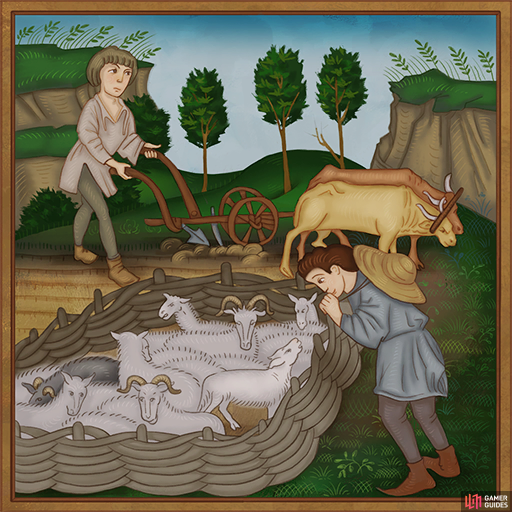
In the Middle Ages, a significant portion of people’s wealth consisted of livestock: horses, goats, cattle, and poultry. The horse was highly valued and, until the 12th century, was kept only for the nobility, for military purposes, and light draught work. This changed during the 12th and 13th centuries, when horses came to be used for transportation and ploughing. In Bohemia, horses were shod with horseshoes from the 11th and 12th centuries. Until the 13th century, horseshoes were mostly applied only to the front hooves, but later, as horses began to be used for heavy work, all hooves were shod. Almost every serf in the Middle Ages preferred to own a cow rather than a piece of arable land, so even landless peasants had access to food in the form of milk. Interestingly, milk and dairy products were not in high demand during the Middle Ages. This was partly because almost everyone kept a milking cow, but also because reliable methods of preservation were not yet known. Both serfs and the nobility kept sheep, primarily for their wool. The poorest people kept goats for milk and cheese. Pigs grazed in the forests all year round, feeding mainly on beechnuts and acorns. Medieval pigs resembled wild boars and had little in common with today’s pink pigs. The most commonly raised poultry were chickens and only rarely geese or ducks. All livestock grazed freely in the meadows outside the village. Cattle were only stabled in the cottages during the harsh winter, when people sometimes shared the same room with the animals, which also served as a source of heat.
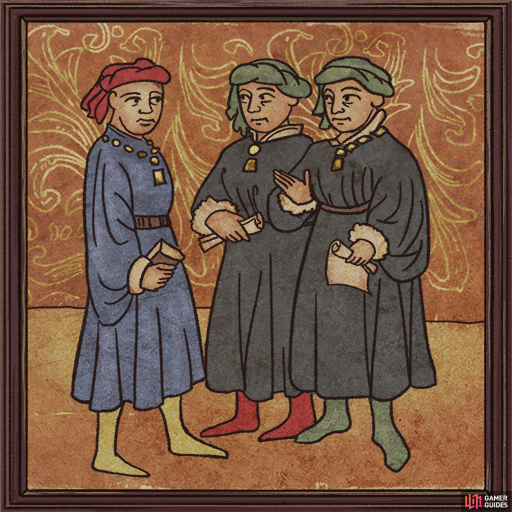
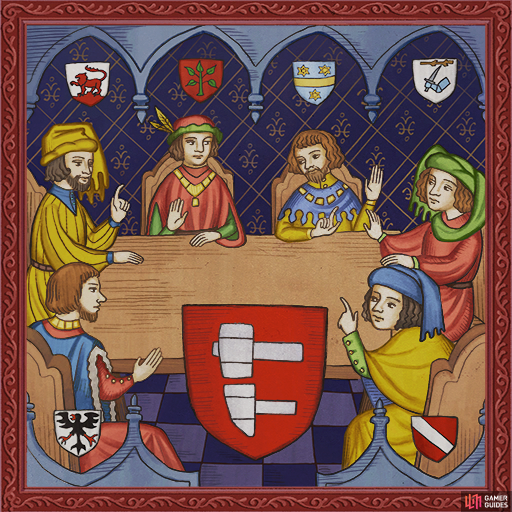
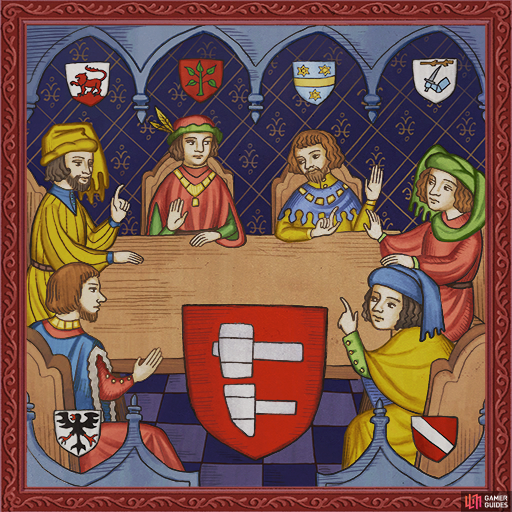
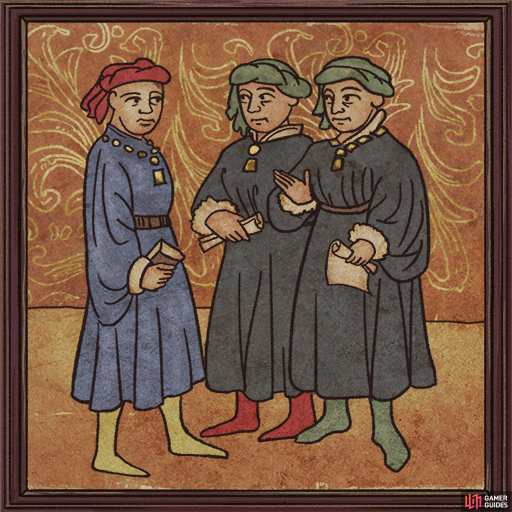
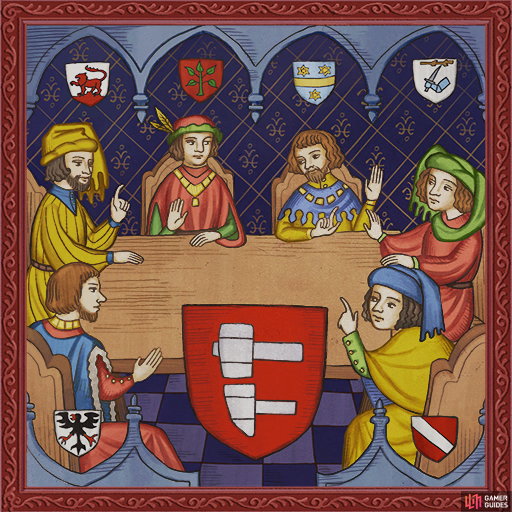
At the head of the town stood a bailiff appointed by the monarch (his office was hereditary), and a city council consisting of aldermen (known as councillors or elders). The head of the council was the Bürgermeister or underchamberlain. The council members were mostly wealthy townsmen, and their rotation in office depended on whether it was a royal, manorial, or free city. The council decided on the most important matters concerning the city and its inhabitants. Courts, consultations, records, the sale or donation of property, registers, contracts, and other documents were prepared and stored at the Town Hall.
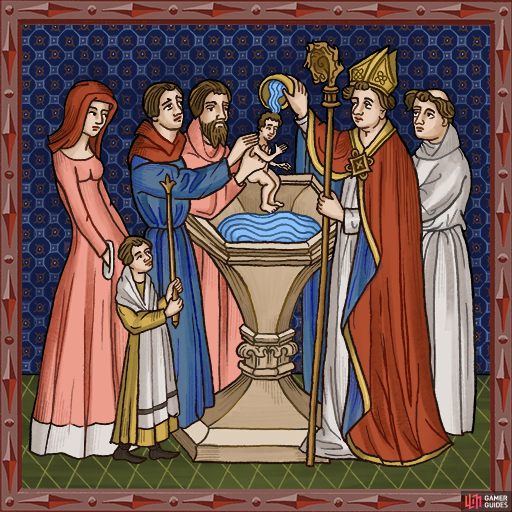
According to Christian doctrine, baptism is the ritual removal of original sin, and without it, salvation cannot be achieved (original sin dooms people to death from the time of the forefather Adam). In the early Middle Ages, mainly adults were baptized, who consciously joined the Christian community, but in the High Middle Ages, younger children also began to be baptized. If a child died prematurely (i.e., unbaptized), their soul could not enter heaven, nor could their body be buried in consecrated ground. Baptisms took place mainly on church holidays (especially Easter), and special baptismal fonts – baptisteries – were established for this purpose at churches.
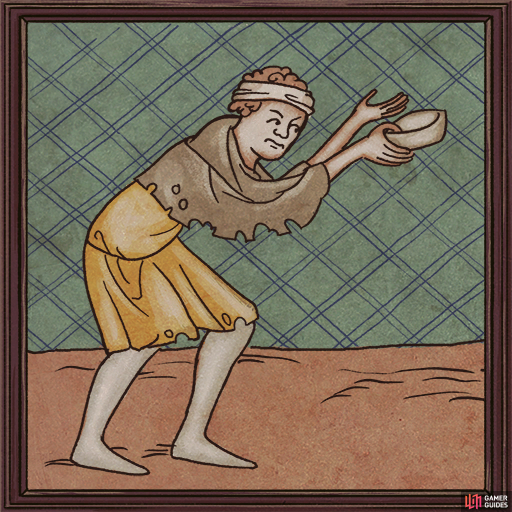
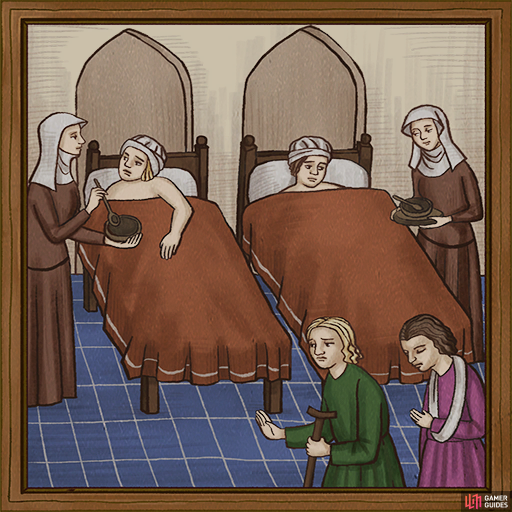
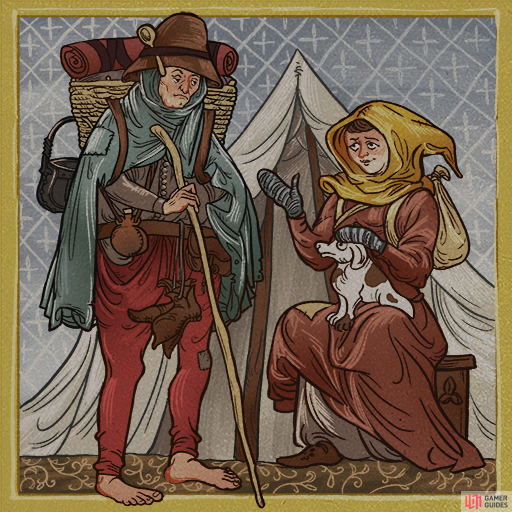
Although beggars were on the fringes of society, they held an indelible place in it. In cities, there were hospitals designated for them and the Church also provided assistance. Begging was allowed at cemetery gates and in front of churches, and each beggar could occasionally visit baths at municipal expense. Some monks regularly begged too – called almsmen or mendicants. The beggars were well-known and tolerated in their communities, but by contrast, it was believed that foreign and wandering beggars brought misfortune. There was seldom any shortage of alms, because charity and gifts to the poor were considered prerequisites for salvation.
In 1384, thanks to the financial support from the bequest of the townsman Heinlin Perksmid, the Kuttenberg religious brotherhood of Corpus Christi was founded. It was modeled after a similar brotherhood founded earlier in Prague. The brotherhood convinced the elite of Kuttenberg that by financially supporting the construction of religious buildings such as chapels, churches, hospitals, or at least altars, they would secure a lasting and respected position in the city. According to their beliefs, through these means, the burghers could gain not only societal recognition but also heavenly salvation. Up until then, decisions regarding all church buidings in Kuttenberg were made by the Sedletz Monastery, as well as on burial places or the choice of patrons. However, to the displeasure of the abbot of Sedletz, the members of the brotherhood decided to first build a chapel dedicated to the cult they had chosen themselves. They then planned to begin construction of a new parish church which would also ensure independence from the monastery. The members of the brotherhood were mostly townspeople, members of important Kuttenberg families such as the Kauffmanns, Polners, Rosenthals, Naazes and Piseks. Sources also mention four priests whose participation ensured the townsmen’s proper spiritual legitimacy. The brotherhood obtained funds and papal indulgences for the building of the temple thanks to its ties with the Prague Canons and the Prague Chapter. This enabled the members to influence spiritual matters, while at the same time defending their other power interests.
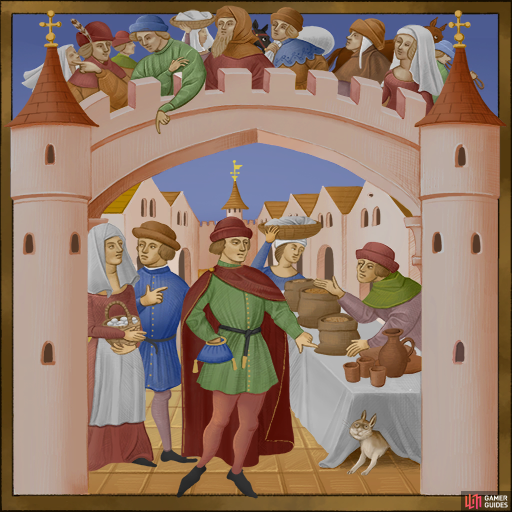
In medieval times, the relationships between town and village inhabitants were not very good. Townspeople (not just those fully enjoying municipal rights, but also the poor) considered themselves superior to the rural farmers. This was often true due to their significantly higher profits from trade and business. Towns served as economic and cultural centres, while the countryside provided goods and, most importantly, food. In a medieval town, the best plots around the square and market were owned by wealthy councillors and merchants. Artisans lived around them, and the poor lived near the walls. Townspeople’s livelihood mainly came from trade, crafts, and many associated professions, and they went to the market for food, just as they do today. According to some sources, Prague could have had around 40,000 inhabitants during the reign of Charles IV. London at the same time had about 80,000. Paris was comparable to Prague, although the Czech city covered a larger area. Nobles did not live in towns; they resided in their own estates.
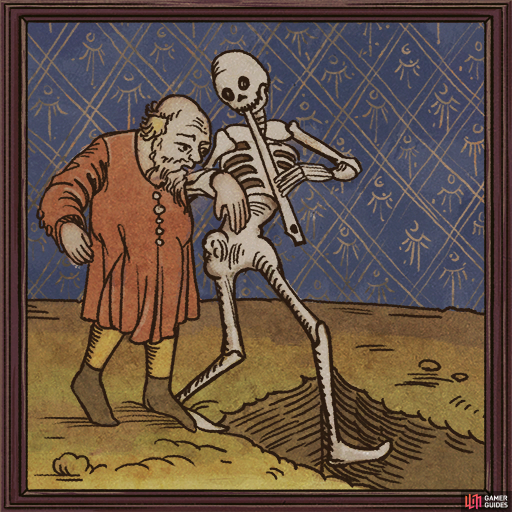
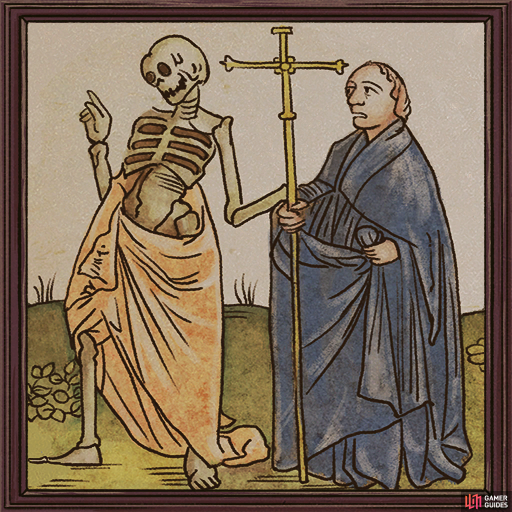
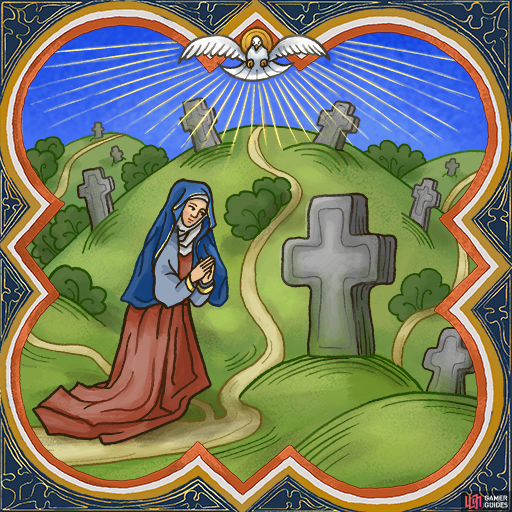
Evidence of burials is as old as mankind itself, but Christianity radically influenced all burial practices, and inextricably linked death with the need for church ritual and blessing. Before death, it was necessary to rid oneself of sins and to receive the last rites; in uncertain cases (such as going into battle), rituals were performed preventively. The place of final rest was also important. It was considered best to be buried inside the church (walls, floor) or nearby, where cemeteries emerged. These cemeteries were an integral part of towns and villages and were often located in their centre. It was common for people to meet, trade and make contracts there. The piety of cemeteries as we know it today did not exist - the dead and the living lived side by side. Only suicides, criminals, the sick, heretics, executioners, unknown strangers and unbaptized children were buried outside the cemetery, in unconsecrated ground. During plague epidemics and wars, burials in cemeteries were temporarily abandoned and mass graves were used. In later centuries, for hygiene reasons and to avoid water contamination, most of the old cemeteries were abandoned, sometimes bodies were exhumed, and burial moved outside the city. It was common for people to make at least an oral Will before dying. In the case of some property, at least part of it had to go to the Church for “mediating” the passage to the afterlife. Burials were in plain wooden coffins or sacks, and the dead were dressed in shrouds. Costly and elaborate ceremonies were conducted at funerals of rich people and rulers. Royal funerals were attended by thousands of people. Wealthy families had stone tombstones made at their final resting places, the custom of building separate mausoleums came later.
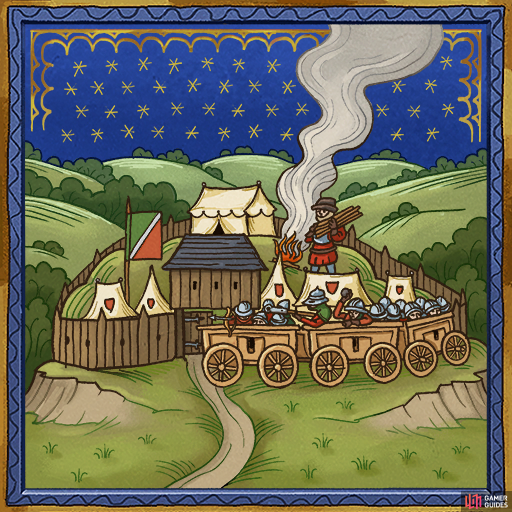
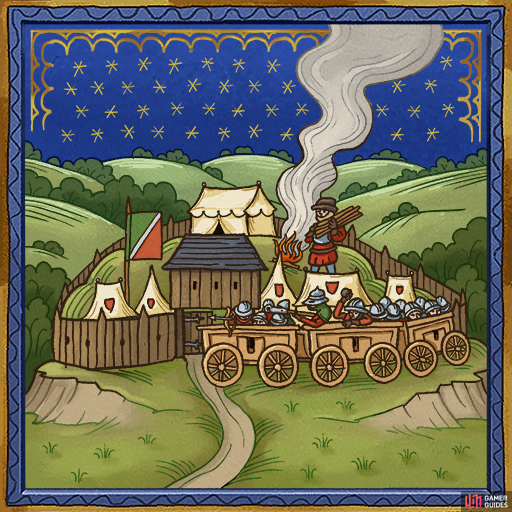
In the Middle Ages, various groups of soldiers, bandits, guards, or lone warriors roamed the lands, often changing their place of residence. They lived in makeshift buildings, shelters, or tents erected around a central fire. Sometimes they stayed in one camp for several days, sometimes only for one night before moving again. Key factors for choosing a suitable campsite included access to water, food, fodder, and wood. Camps were rarely set up in villages or near castles. Only the retinues of lords and nobility stayed there. During wars or while fleeing, they camped under the open sky, as there was no time to build or dismantle a camp. The lordly armies camped at places where the summoned national militia, reinforcements, or allies gradually gathered. The longest encampments (sometimes lasting several months) occurred during the siege of fortresses or on riverbanks, where an enemy army waited on the other side. Tents were intentionally set up close to each other for security (like walls). The first and largest tent in the center of the camp belonged to the commander, and the tents nearby belonged to nobles and high-ranking soldiers. Simple shelters for soldiers and horses surrounded these. The army could camp separately in several locations. Larger camps often included a field chapel, a place for treating the wounded, or an improvised brothel. Long-term camping was more challenging due to the need for supplies, which were always provided by administrators of nearby affiliated townships. If the army was on enemy territory, foraging units were sent out to find food and wood. If supplies were insufficient, they had to move or abandon the campaign. It was difficult to maintain adequate hygiene and morale in the camp. Soldiers were threatened by epidemics, mutual quarrels, and fights. Disputes were strictly judged to maintain order.
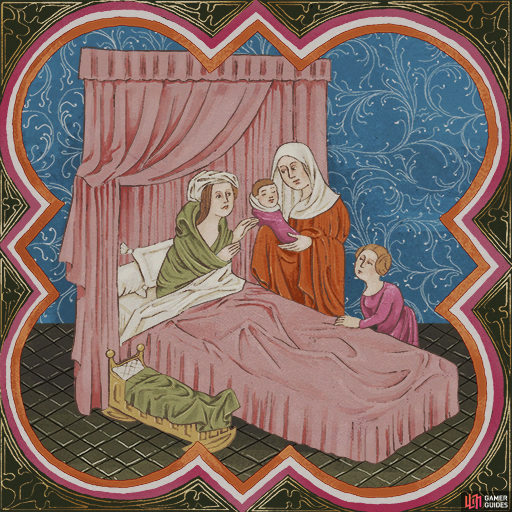
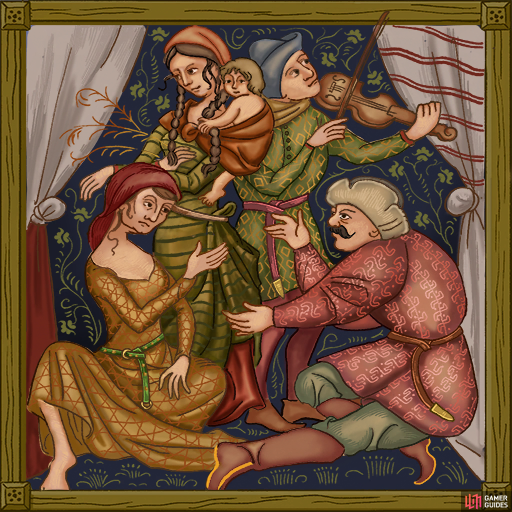
In our time, unfortunately, obstetrics and child care was a very underdeveloped field. Educated doctors did not want to take it up and education was not accessible to women, so as a result, obstetrics became more of a specialty for spinsters and midwives. Childbirth was done sitting up or on a special chair. The so-called caesarean section was only used in extreme cases, when the life of the mother could not be saved anyway, or the life of the child was more precious. Given the poor sanitary conditions or inadequate diet and the inability to breastfeed, infant mortality rates in the population were as high as 80%. Childbirth was often dangerous for the mother herself due to the inability to deal with most complications. A well-built and healthy woman spent most of her reproductive years either pregnant or breastfeeding. Eight or even twelve children (few of whom lived to adulthood) were no exception. It was not until the Renaissance, when the process of the birth of a new life finally came into the view of medicine, that the approach to childbirth and obstetrics changed in part.
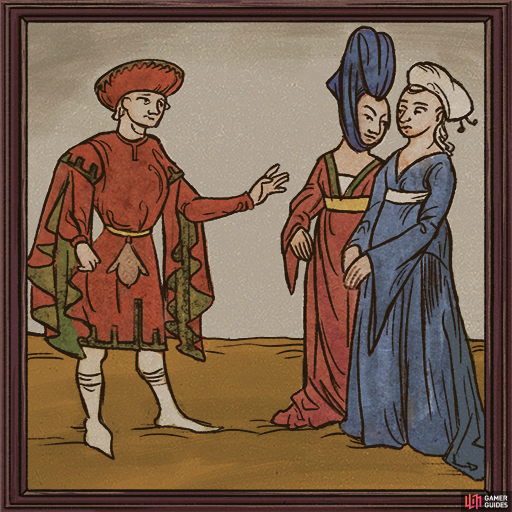
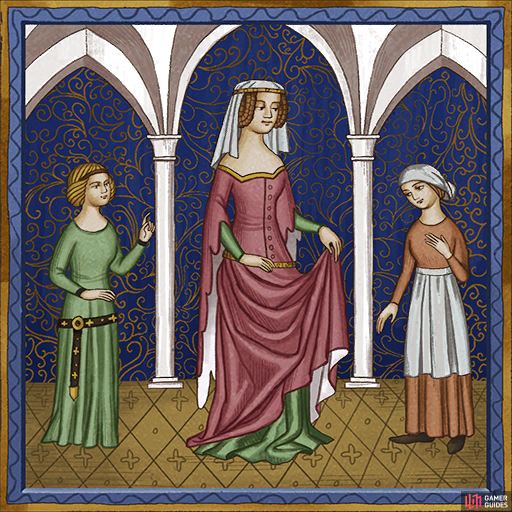
Clothing for villagers and common folk had to be comfortable, durable and practical. It consisted of a simple shirt and a tunic. Men also wore braies (knee-length linen drawers). In winter they wore hooded cloaks, furs and hats. All typically in natural colours without embellishments. The exception was festive attire for special occasions and religious holidays. In the city, clothing reflected status, wealth, but also affiliation to a particular group, such as craftsmen, soldiers or apprentices. Belts, bags, gloves, hats and other headgear were used as accessories. Hairstyles Unwed young women had long hair, which they wore down or in braids. Women in towns adorned their hair with ribbons, pearls, wreaths and vines. Older married women wore pearled nets on their heads, white or coloured veils or hats. Fashionable men had long, coiffured hair, they liked to shave their chins and wear various headwear. Jewellery Jewellery was fashioned from gems, wood, leather and metals. The most common types of jewellery were earrings, various types of crosses and, in the High Middle Ages, rings, which were both representative and symbolic. Floral and animal themes as well as figural motifs inspired by religious themes predominated in decoration.Footwear Shoes were made of leather, but also of grass, straw, bast, wood, cloth or felt. In the countryside, people often went barefoot in summertime. Soles (left and right) on shoes first appeared in the mid 14th century while heels were added in the 15th century.The most common type of footwear consisted of sandals and slippers made of wood or cork. Stitched shoes were called either škrpály (low shoes) or škorně (above the ankle).
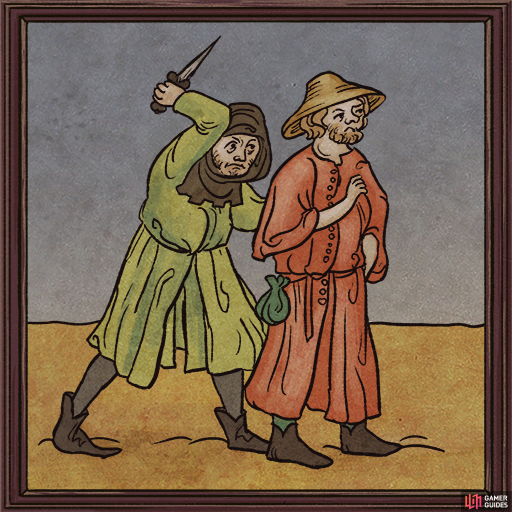
In the Middle Ages, the most serious crimes were considered to be murder, incest, counterfeiting money, witchcraft, robbery, and major theft. Lesser but still officially addressed offences included disorderly conduct, public drunkenness, fraud, non-payment of debts, slander, and defamation. Some offences against public order were punished by pillorying—public display and ridicule in the stocks in the town square. Worse than the pillorying itself was the loss of honor for the convicted, which would follow them and their family for the rest of their lives. For capital crimes, punishment included hanging (the most common execution for men, especially for repeat offenders) or beheading (reserved for nobility). For robbery-murder, execution by breaking on the wheel was used, leaving the body displayed as a warning. Other execution methods included burning (for heretics and counterfeiters), tearing apart by horses, quartering, or impalement. Women were most often drowned or, as punishment for infanticide, buried alive. Some offenses could be redeemed. The fine would go to the city treasury or partly as compensation to the injured party. Even murder could be redeemed if the perpetrator compensated the survivors and erected a reconciliation cross. A special type of punishment was branding, considered one of the harshest penalties. Branded individuals had difficulty finding “respectable” work, as they had a permanent reminder on their body that they had been involved in a crime. The nobility was practically untouchable, even if they committed serious crimes. Only the king could condemn and punish them (which often did happen).
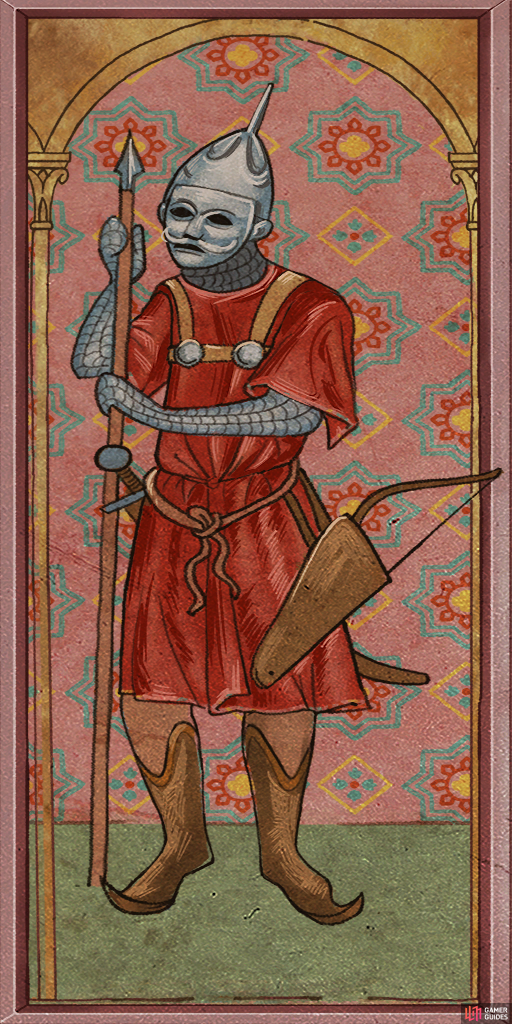
The Cumans (also known as Kunok in Hungary) were a nomadic people belonging to the larger group of Kipchaks (Polovtsians) from the Middle East, who came to Europe in the 13th century, fleeing from the expanding Mongol Empire in the area of the Black Sea. They settled in Hungary with the permission of King Béla IV, where they later acquired their autonomous region called Cumania. Gradually, they assimilated with the local population: adopting Christianity, marrying Hungarians, and fighting alongside Hungarian kings, including in wars against the Bohemian Přemyslids. They last invaded the Czech lands with Sigismund of Luxembourg, who could not afford better mercenaries than the Cumans. Estimates speak of several thousand warriors. Their army’s rampage led to the destruction of places like Silver Skalitz, the birthplace of the main character in our game.
Diseases spread due to poor hygiene, natural disasters, crop failures, famine, cold, humidity, wars or animal-borne contagion. In addition to the most common medieval disease – the plague, otherwise called the black death – other prevalent diseases were whooping cough, cholera, influenza, malaria, tuberculosis, typhus, leprosy, anthrax and diphtheria. Other risks stemmed from general fungal infections or childbirth. People commonly suffered from parasites, bladder problems, kidney stones or hernias. Fractures were commonplace. Cataracts could only be excised by a surgeon or an executioner.
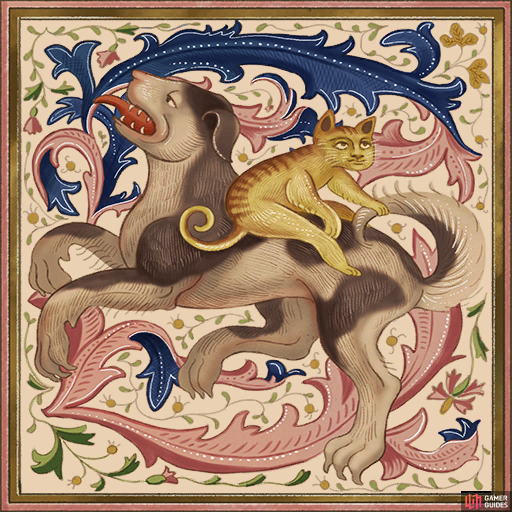
Throughout the Middle Ages, animals were viewed purely for their utility: this was no different for dogs and cats. Although animals, according to the Church, had souls, these souls were mortal and could not attain salvation, unlike human souls. Thus, animals were considered inferior beings, subordinate to humans. (A groundbreaking perspective can be seen in the Ottoman law of 1502, which regulates the use of draught animals and is arguably the first law against animal cruelty. A similar law in Europe appeared only in 1822.) The dog in this period served humans for hunting or guarding and could be trained. It is no wonder that, among other animals, dogs enjoyed certain privileges. Breeding and crossbreeding of dogs did occur in the Middle Ages, but not nearly to the extent seen a few centuries later, when various domestic, miniature, or narrowly specialized breeds began to emerge. Most medieval breeds were focused solely on hunting and guarding and looked similar to Henry’s Mutt. The cat, on the other hand, did what it wanted, and perhaps for this reason, it was viewed negatively as an embodiment of the devil and was not very popular (as evidenced by surviving illuminations, where it often appears more like a demonic creature). Conversely, the situation was entirely different among Muslims. Christian travelers in Arab countries were amazed to find that cats were as beloved there as dogs were in Europe.
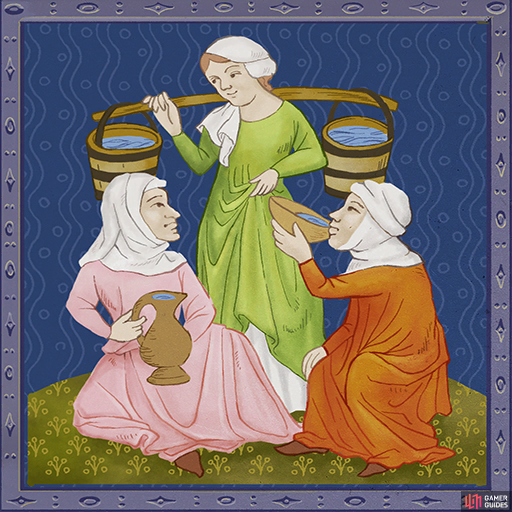
An adequate supply of drinking water was a crucial issue for medieval towns. Townspeople often addressed this problem by building a well on their property or digging one directly in their cellar. Public wells were also established alongside private ones. Similarly, on castles, a well was often dug to channel water from water sources such as a nearby stream. Castle wells could reach enormous depths, in extreme cases over 100 meters. Building a well was very expensive and not always possible. A more economical solution proved to be the installation of a cistern, a reservoir that resembled a well but did not have its own water source. Most often, rainwater was directed into such a cistern, where it was filtered and would be emptied out once a year. In addition to acquiring water, its drainage was also addressed. The emergence of simple drains or conduits is evidenced by council regulations that required these drains to be deepened and maintained, led by the shortest route, and covered from above. In towns, especially, open ditches alongside paved roads were used for drainage. Such a waste disposal system was bothersome to the population and was a source of odor, spreading infectious diseases and epidemics. Therefore, the originally open ditches were gradually covered, and later, brick sewers were constructed to channel rainwater from the streets and roofs of houses to the nearest watercourse or pond. However, the regularly recurring epidemics that spread across Europe demanded more radical solutions.
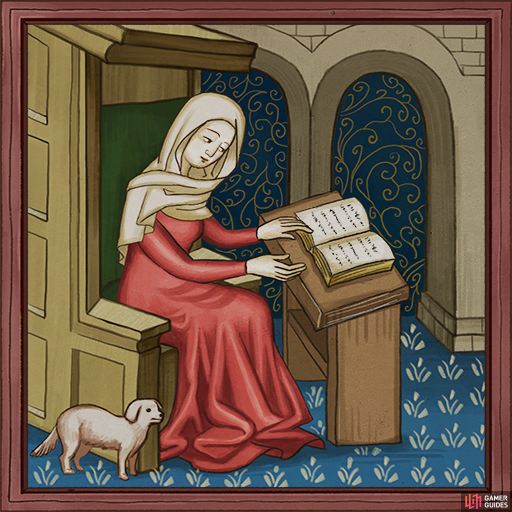
Medieval education unfortunately favoured men, as women were not allowed entry into universities and were generally not expected to be literate or pursue education, regardless of their wealth or lineage. However, there are a few exceptions known to us. One of them is Christine de Pisan (1364-1430), the first female author in the history of French literature, who wrote philosophical, political, legal, and even militarily oriented works and advocated for women’s rights. Another example could be Maria Hebraea, a famous Jewish alchemist whose life is surrounded by legends, or another alchemist known as Cleopatra, who lived in Alexandria during the 3rd-4th century and allegedly could produce the philosopher’s stone. Notable mention also goes to Hildegard of Bingen (1098-1179), a Christian mystic, naturalist, physician, musical composer, and writer who was highly influential in her time and later cited author of works such as Ordo Virtutum (morality play) and Causae et Curae (medicine), among others. In later centuries, women’s contributions to education and literature gradually increased, although the first admission of women to a university did not occur until 1836 in Zurich.
A medieval nobleman spent his leisure time hunting, playing games, singing, or playing musical instruments. Special diversions included tournaments, dances, or theatre. Books were read very rarely because they were rare, expensive, and most nobles were illiterate. In the countryside, there were also plenty of opportunities for entertainment, especially because work was strictly forbidden during church holidays and Sundays, which were much more frequent than today. Certain professions could have their work days disrupted by weather or unforeseen events. Typically, people worked around 190 days a year, averaging about 4-5 days a week, but work was not evenly distributed throughout the year. For example, there was much more work around harvest time than in winter. Among the most popular medieval board games were chess, backgammon, mill (also called nine men’s morris), draughts, hnefatafl, dice, and fox and geese. Of course, ball games were also common. Chess was time-consuming and costly, so it was more popular among the nobility. Backgammon was favoured by townspeople, while the common folk enjoyed simpler games like dice or nine men’s morris. Playing cards and card games appeared in Europe by the late 14th century, but due to limited paper production, they became widespread much later. Townsmen sought to emulate the nobility in their leisure activities, engaging, for example, in bird shooting. During the 15th century, archery fellowships even began to form in cities. Gambling games were widespread across medieval society regardless of gender or social status. This is evidenced, for example, by the Maiestas Carolina legal code from December 1350, where Charles IV himself forbade playing games during Christmas time, and empowered the Archbishop of Prague, Arnošt of Pardubice, to prosecute offenders of any status with fines or spiritual penalties (in extreme cases, excommunication).
Christianity was adopted in the Czech lands in the 10th century, though certain pagan practices continued, especially in rural areas, where they blended naturally with the emerging Christianity. Some of the folk customs were later modified according to Church instructions, others continued unchanged, and yet others were eradicated completely under Church pressure.
In addition to a deep faith in saintly patronage: the saints Wenceslas, Vitus, Nicholas, Ludmilla, Adalbert etc., the Middle Ages revered the Virgin Mary and the various patron saints of professions.
Manifestations of medieval piety consisted of wayside shrines, conciliation stones or crosses, put up in large numbers in villages, at intersections and along the main byways. In Royal cities and liege towns it was important to collect holy relics, remains and memorabilia to mark the saints. The cult of saints was encouraged, and cathedrals and churches gained prestige with the relics they held. (It need not be emphasized that most of the relics were fakes, and that nobody took much issue with it.)
Devotion was shown in everyday life and accompanied everyone from the cradle to the grave by way of Church rituals, occasions for worship, religious holidays or regulations (for example, the numerous fasts or Lenten days). In some way or other, everyone believed in God; Complete atheism is a matter of later centuries.
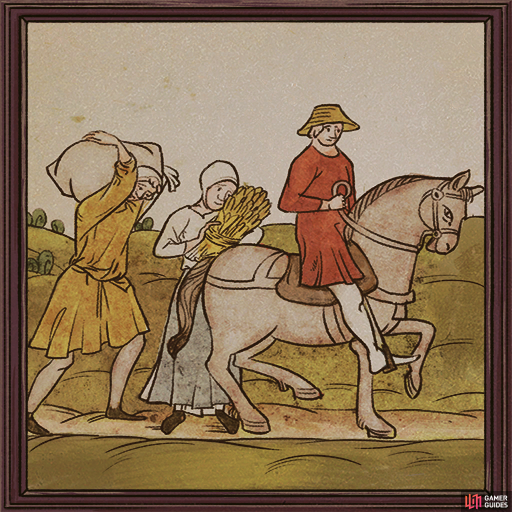
In medieval times, about 90% of the population lived in villages, most of whom were engaged in agriculture and animal husbandry. Although peasants were free and had owned their farms from time immemorial, the land beneath them was only leased from the sovereign or, respectively, from the nobleman who had received it as a fief from the king. For the lease of the land, they had to pay part of their annual yields – whether in money, honey, grain, or other crops. Sometimes they were also required to perform corvée labour for the lord, that is, to work without pay on the fields belonging to the feudal noble. The Land Diets in the 15th and 16th centuries voted that the village folk were not allowed to carry weapons or practice hunting. With the special permission of the lord, the peasants were allowed to hunt hares or small birds.
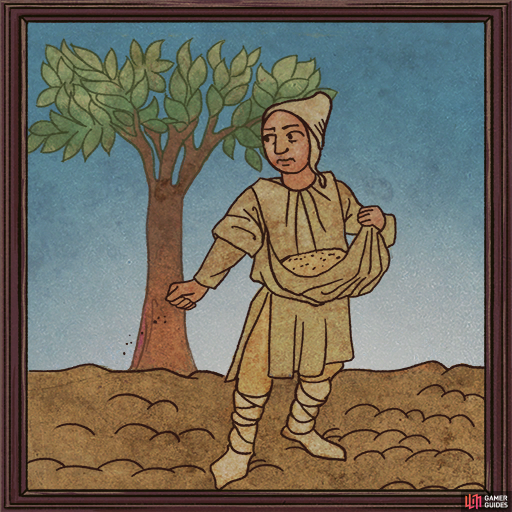
Unlike today, when the land has long been given over to agriculture, the burgeoning of farming in the Middle Ages brought the need for new fields where there were only forests or untilled land. The timber from forest clearing was used for construction, the remaining roots, stumps and scrub were burned, and the ground then levelled. The finished fields were cultivated by the three-field system – a third of the land lay fallow for two years to recover nutrients - this was used for grazing livestock, which added manure. It was then returned to use and tilled, while in turn another third, which had been used for raising crops, was left to lie fallow. There was thus regular crop rotation to prevent soil exhaustion.
In the earliest times, ploughing was done with a simple device called an ard- or scratch-plough. Where the soil was stony, working it was very hard. The tiller had to keep watching the plough and use great force to push it into the ground. Similarly clumsy and imperfect were the harrows of the time. After harrowing, any remaining clods of earth would be crumbled with a mattock or wooden mallet. This work was typically done by women and children. The most common crop, wheat, used to be full of weeds, and as such not very economical, 15 large sheaves yielded only about 18 kg of grain, often even less. Harvesting often had to be done using only a sickle for cutting. After drying, the grain was threshed. Vegetables and legumes were cultivated to a greater extent than today, grown in fenced gardens next to houses. These were mostly peas and lentils, but also vetch and beans, and around the villages flax and hemp were grown extensively. Hops were grown in signorial fields for the liege lord’s brewery.
Feudalism is a political system based on land ownership that emerged in the early Middle Ages, following the decline of the Roman Empire. Its foundation was the fiefdom (feudum), a certain area (territory, land) that an owner would grant to others. The ruler – either secular or ecclesiastical – was the feudal liege (suzerain) and those afforded his fiefdoms were his liege subjects (or vassals). The handover itself came with pomp and ceremony, during which the vassal promised allegiance and military aid (or other services) to his feudal lord. The contract could only be annulled by the death of one of the parties or by a severe breach of the agreement. Not only could the liege have several vassals, a vassal could also serve several liege lords. In the event of war, the vassal had to choose one side according to the feudal contract. Feudalism also determined the conditions of the poorest class — the serfs, who worked on the leased land, paid taxes from it, and supported their master, his soldiers and officials, or a monastery. It was called a feudal rent – a source of wealth, mainly for the nobility. Portions of the fiefs were subleased so the king’s vassal in turn became the liege lord of his own vassals.
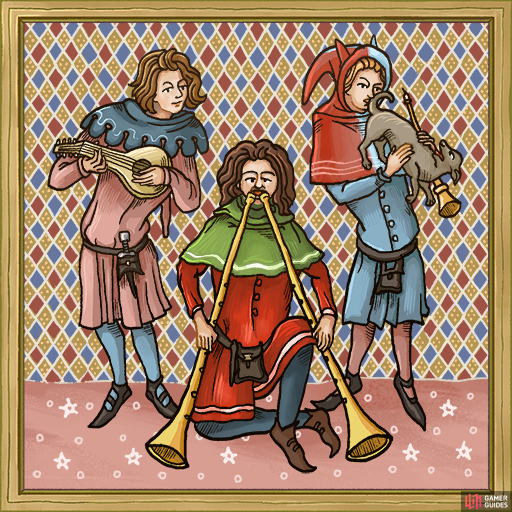
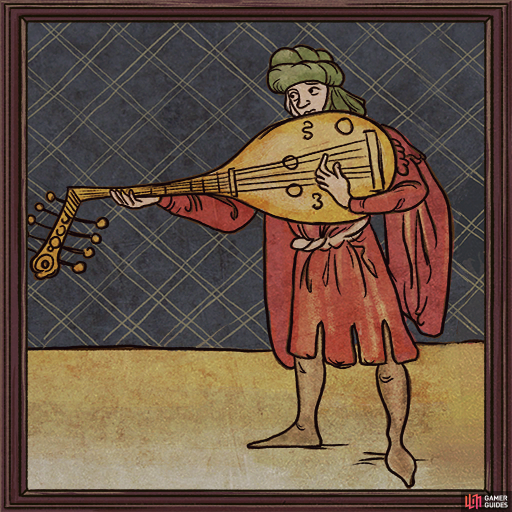
While medieval church chants solemnly celebrated God and the Holy Trinity, folk songs were inspired by the village year’s cycle and often accompanied by group dances and musical accompaniment. Homemade musical instruments included bagpipes, drums, horns, and various types of flutes. Wandering minstrels called vagantes carried with them more expensive string instruments such as the psaltery, mandora, or quintern. They were responsible for spreading the playful and satirical vagantes poetry, which was composed by university students from the 13th century. These poems humorously targeted human vices and satirically commented on the sins of church prelates. Songs were passed down orally without knowledge of their authors. Exceptionally, their collection remains in the manuscript Carmina Burana.
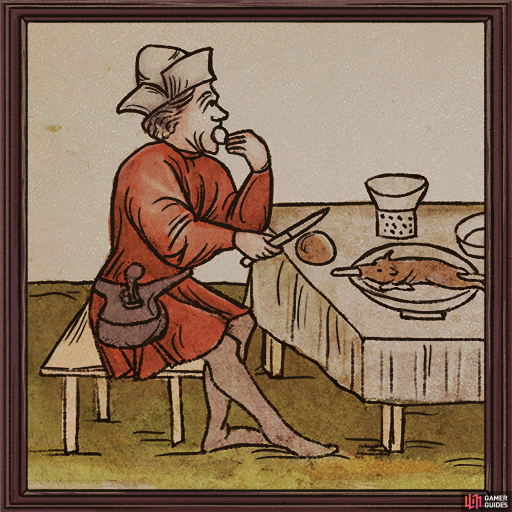
In the Middle Ages, both in villages and at royal courts, primarily locally available foods were used. Vegetables included cabbage, onions, parsnips, turnips, beets, garlic, with smaller quantities of carrots, celery, parsley, cucumbers, and melons. Legumes such as peas, lentils, vetch, and broad beans were common, alongside fruits like apples, pears, cherries, plums, berries, nuts, seeds, and grains. Eggs, milk, and cheeses were available year-round. Depending on wealth, availability, and the season, meat (game, poultry, fish) and imported goods like spices, fruits, and delicacies such as saffron, dates, figs, nutmeg, pepper, sugar, ginger, and cardamom were also consumed. Meals were seasoned with oils, vinegar, salt, honey, and herbs. The most popular dishes in the 14th and 15th centuries, especially in rural areas, were hearty soups, thickened porridges, and sauces served with bread. Rye bread was common, while white bread was reserved for the court. Meat was expensive, and hunting in forests (reserved for nobles) was prohibited, so fish often compensated for its scarcity. During a sumptuous feast, dishes featuring fish like pike, various roasted meats, sausages, minced meat, black pudding, and legumes were essential. Desserts included almonds, marzipan, sweet porridges with fruit cooked in milk or with added cream, jams, baked, raw, and dried fruits, and assorted pastries. In the Middle Ages, many of today’s common ingredients were unavailable, such as potatoes, tomatoes, corn, peppers, rice, or beans, which generally arrived in Europe only after the discovery of the Americas or through Asian imports.
In ancient times, a foreigner was not only someone who did not originate from the community (and therefore a potential enemy), but also a person without legal status. Foreigners were considered without rights until they paid a surety. Courts and various regulations addressed issues such as fees for trading or renting a house (which they were not allowed to acquire or inherit). The Czech lands remained relatively open to foreigners for a long time, fostering active cultural and commercial exchanges. Initially inhabited by Celts, they were later replaced by Germanic tribes and eventually by Slavs, although with a significant proportion of German speakers. Germans mostly lived on royal estates or worked as entrepreneurs and merchants. The relationship with Germans was initially neutral, but later cooled and became more strained, leading to local hostility “against all things German,” although classic nationalism of the 19th century had not yet emerged. Both Czechs and Germans had worse relations with Jews, who lived outside society and were often subjected to pogroms (with the king’s permission and hefty payments). Diseases and the Black Death in the mid-14th century influenced migration, resulting in fewer foreigners moving to the Czech lands. During the Hussite Wars, Czechs became the majority in most cities. German remained the main language in Moravia’s major centres: Brno, Jihlava, and Olomouc. Czech gradually evolved from a rural language into a language of the upper classes. A pivotal shift in the perception of linguistic and ethnic differences occurred during the Hussite Wars, where most Czech speakers identified with the Hussites, while Germans (for the most part) sided with Sigismund and the Pope. Foreign (often German) crusades against the “rebellious Hussites,” convened by Sigismund, also contributed to these divisions.
Medical remedies in the Middle Ages and Antiquity were the product of good practical knowledge of medicinal plants. Therefore, many medical schools had their own gardens so that fresh herbs (dried in winter) were always on hand. Likewise, gardens had their place in monasteries and hospitals. In Bohemia the first secular pharmaco-botanical garden was established in 1341 by John of Luxembourg’s apothecary – Henricus Schwab. Expansive, aesthetically pleasing ornamental gardens came along only later.
The basic form of greeting was a bow and varied according to the occasion and the importance of the person being greeted. A slight bow with a hand gesture to the heart was used by nobles of equal rank. A deeper bow was considered a more respectful greeting (guest, respect to a higher-ranking individual). The next level was kneeling on the left knee and lowering the head. This greeting was used towards rulers, barons, or high-ranking commanders and expressed subservience. Rising was only allowed upon the invitation of the person being greeted. The final level was bowing on both knees, a gesture of complete subjugation, often associated with a plea (especially for mercy). Doffing headwear began to be practiced under the influence of “Burgundian fashion” in the 15th century. Loyalty was expressed by kissing the rings of magnates and prelates. Women’s hands were not kissed, but they were given a deeper bow than would be appropriate given their status. Precise conventions also applied to addressing or mentioning a particular person (e.g., in text): for example, a townsman should be referred to as “honest,” a squire as “worthy,” and a banner lord as “noble.” In the countryside, people greeted each other according to their nature, often mentioning in the greeting wishes of good health, prosperity and God’s blessing, or making reference to Christian tradition (God bless, Christ be praised etc.)
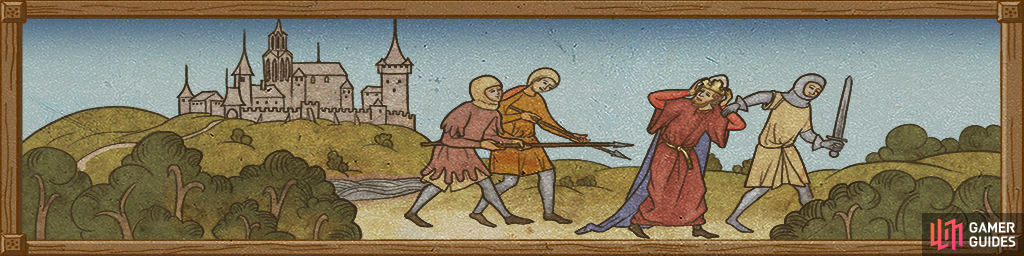
War… war does not change. At least not for the rank-and-file soldiers who always took the worst of it. Nobles and the highborn had it a little easier: not only because of their vastly superior equipment, food and lodging during campaigns, but mainly because they had a much higher chance of surviving the battle. The reason was simple, dead nobles were of little worth; alive, they could fetch a hefty ransom from families or enemy rulers, or could be exchanged for prisoners from the captor’s side. It was thus an unwritten but widespread custom that noble lords would fall into the captivity of another nobleman rather than dead into the mud. The captured noble would surrender his horse, armour, and later, a hefty ransom to his captor. Of course, a noble lord or lady (or their offspring) could be captured by an enemy even outside the heat of battle. These prisoners were treated as precious commodities and provided with all care. Once again, the main goal was not to harm them, but rather to gain an advantage for negotiation or trade. Even the Bohemian king Wenceslas IV was a captive at the time of our game. It did not mean he was locked up in a dungeon and given only bread and water. He was interned in luxury, but kept away from all events and with minimal power to influence the situation in Bohemia.
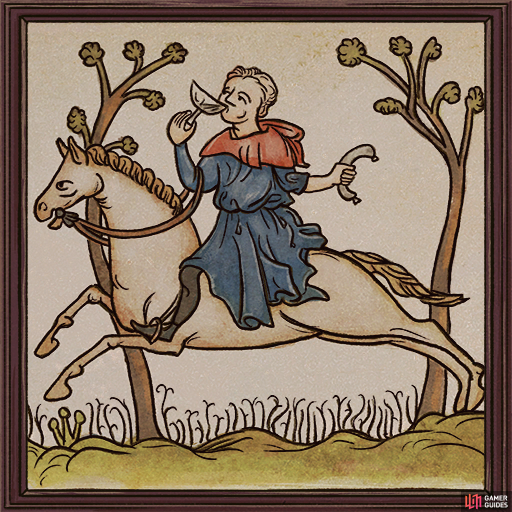
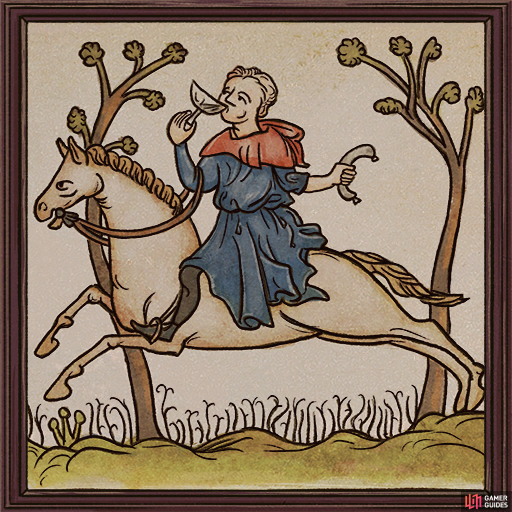
In the Middle Ages, horses were distinguished more by their use than by their breed. Sturdy war horses of knights (destriers) were complemented by more agile palfreys, favoured by the nobility. For the less wealthy classes, there were versatile horses called rounceys. Various types of draft horses could be seen in fields, caravans, or mine trevails. The most important part of the equipment was the saddle. It was characterised by a seat made from a single piece of wood, usually without any padding. However, riding on it was surprisingly comfortable. This was aided not only by the wide cut on the sides of the saddle for better contact with the horse’s flanks but also by the raised front and especially the back pommel, which served as a backrest. To control the horse, a bridle was used, consisting of a bit (most commonly a snaffle, later of the curb type) and reins. Spurs also had significant riding as well as social importance. Common accessories for knightly or noble horses included decorated harnesses and breastplates. War horses could be seen with metal chamfrons protecting their heads. During tournaments or battles, horses were dressed in caparisons of various cuts, colours, and heraldry. The most widespread was the caparison covering the entire body of the horse, or the so-called croupiere or crupper, which protected only the horse’s back and hindquarters. A medieval rider expected his time on horseback to be comfortable and safe. The design of the saddle directly defined his seat. The rider was more upright and leaning back, transferring weight to his legs. The supports firmly held him in the saddle and protected him from attacks from the ground. However, being firmly locked in the saddle also had its disadvantages. Jumping on a horse was almost impossible and dismounting quickly was also difficult. It was not uncommon for many injuries or deaths to be caused more by the saddle itself than by falling from the horse.
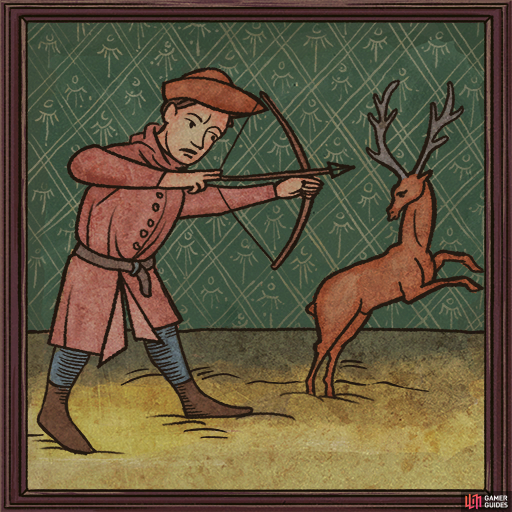
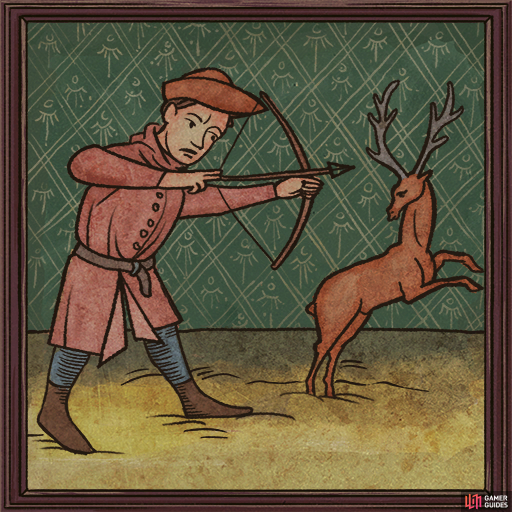
Hunting always provided sustenance and furs, mainly for the lower nobility. For the aristocracy, refined court hunting became more of a pastime, as hunting was significantly cheaper than tournaments, while providing similar excitement. It became a favorite diversion, with hunts for wild animals using dogs being almost ritualistic. Hunting weapons were the same as those used in warfare: bows, crossbows, javelins, and hunting knives. Dogs were used to track and scare the game and then chase it until the exhausted animal stood its ground. Only then did the hunters (following on horseback to the sound of the dogs’ barking) arrive to kill it with arrows or spears. The final kill on the ground was done with a sword or hunting knife. Falconry (originally a pastime from the Orient), and hunting with other specially trained birds of prey (hawks and goshawks) was more of a fashionable activity and could be pursued by women as well. For the lower classes, hunting in the lord’s forests was strictly prohibited under severe penalties (with the exception of hunting hares).
Hunting in the Middle Ages was not only a pastime but also brought significant economic profit to the king and the nobility who owned the forests. The noble hunters also acted as forest managers, taking care of the game as well as maintaining and protecting the forest. It was forbidden to hunt deer, fallow deer, roebucks, wild boars, and indeed any other game in the forests. Violating this prohibition was punishable by a high fine, or in the case of repeated offenses, even physical punishment. The same applied to unauthorized wood gathering and logging. Many poachers came from poorer social classes and had little to lose, so physical confrontations with the gamekeepers who caught them in the act were not uncommon.
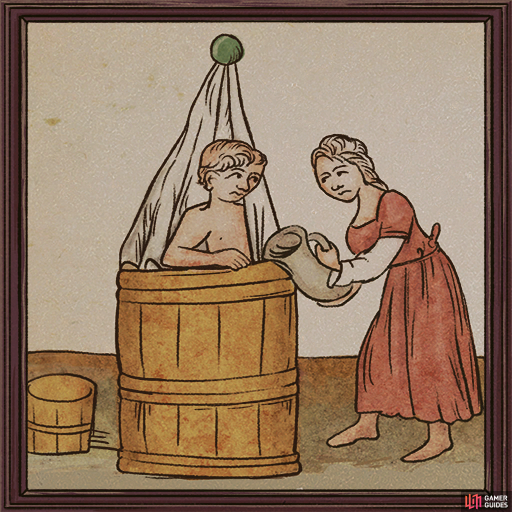
From the 13th century on, waste was dumped behind dwellings or buried in pits. Toilets consisted of cesspits topped with wooden structures with a seat or just a board. There were water drainage systems and no lack of free-standing latrines and outhouses, or at castles ‘privies’. It was not uncommon for a latrine to be shared between several dwellings. In inhospitable and badly-heated castles, there were sometimes bathrooms with bathtubs or even plunge pools. Bathing was attractive not just as a means of cleansing the body, but also for pleasure. In private houses a bathroom was a sign of luxury and high status. This did not mean that wealthier residents bathed more frequently; rather, they were able to put on clean clothes more often.
The most common hygiene practice was handwashing. Even in the poorest homes it was possible to find a basin with a water pitcher or a suspended water cistern with a faucet. The cleanest people were countryfolk, who would often wash in the stables or the river.
The Church was generally against bodily cleanliness, and so allowed priests or monks to bathe only twice a year–at Christmas and on the feast day of some chosen patron. In spite of this there were public baths in each town where people went not just to get clean, but to socialize. Contrary to today’s notions, the people of that time were not very prudish and men and women shared the bathhouse together. Even the urban poor had the right to visit the baths, paid for by the municipality.
Although the more educated or higher-born tried to keep invective and vulgarities out of their speech, swearing has been part of the vernacular since time immemorial. Profanity was not only verbal, but often appeared in written form in documents that sought to defame and humiliate those addressed.
Some of the slurs arose by corrupting foreign-language expressions, others were derived from animals and their attributes. Often used as insults were onomatopoeic words (articulated noises) or metaphors, words derived from adjectives, attitudes towards work, criminal offences, political stances, professions, psychological malaise or people’s names. The worst kind of insult questioned the honour of the individual – such swearwords quite often led to court cases or duels. It was common practice that anyone not prepared to defend their honour would indeed lose it in the eyes of the public.
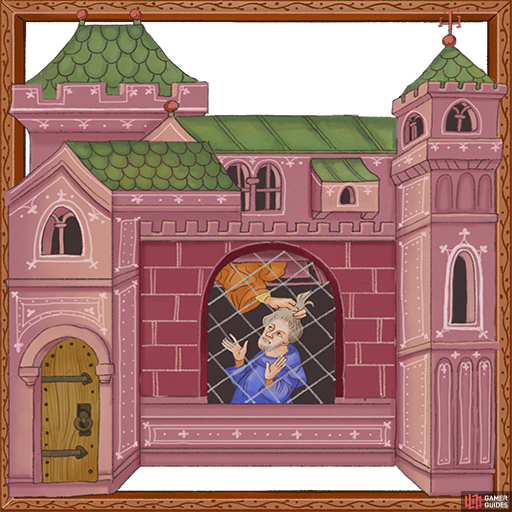
Medieval prisons were mainly castle dungeons. Later, different types of strongholds for internment of criminals came into being: municipal jails, located at the town hall or Rathaus, and separate prisons for debtors. Prisons held both men and women together; segregation was only based on social status and the severity of the crime. Prison was not intended to serve a remedial function, as nowadays, but rather as a temporary stay for convicts before the execution of their sentence. No one wanted to have to feed prisoners long-term.
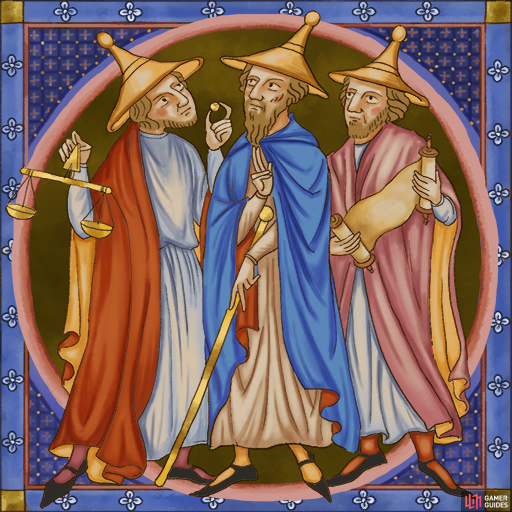
Jews settled in Moravia and Bohemia probably before the 10th century. They lived mainly around long-distance trade routes in major centres which in the early Middle Ages were: Olomouc, Brno, Znojmo and the central Elbe River environs. However, most lived in Prague in the Old Town. They were under the legal protection of decrees by Wenceslas II and then Charles IV, as the rulers could develop the trade with their support. Over the century, however, the expansion of their activities in trade and finance gave rise to protests from many common classes, especially the Church. This was then reflected in folk rumours and resulted in repeated violence. As a result of the protests, their rights were restricted: they could not buy land or houses, had to live in restricted neighbourhoods, and they were only allowed to trade where they were not competitors to locals. They were also not allowed to work as craftsmen or farmers. However, they could lend money at interest (called usury), which was forbidden to the Christian population. Although only a part of the Jews engaged in this activity, it caused many social problems. Segregation was also emphasized by the mandatory marking of the Jewish population - for example, they wore a yellow ring on their clothing, a hat of a different shape, women wore a yellow ribbon in their hair, and men had a mandatory beard. In addition, the Church traditionally blamed them for “murdering Christ” and maintaining pagan rituals. In the Middle Ages, Jews were considered the “property of the king” and as such were protected by the king, so if the townspeople committed violent attacks against the Jewish community, burning their quarter and murdering the inhabitants (later termed “pogrom”), they had to pay a hefty “compensation” to the king. Some kings welcomed such attacks as a good source of income, others protected the Jews.
Medieval kitchens differed in the countryside, the city and at court. In earlier times, everything was cooked outdoors, while later (at the time of our narrative), stove hearths were built, which served for heating the home as well as cooking. Some kitchens had an open fireplace indoors, with the smoke drawn off by small windows and fume hoods. When we speak of the so-called smoke-kitchen or black kitchen, this was largely a feature of taverns, mills, presbyteries and manors, which got its name from the smoke-blackened walls around it.
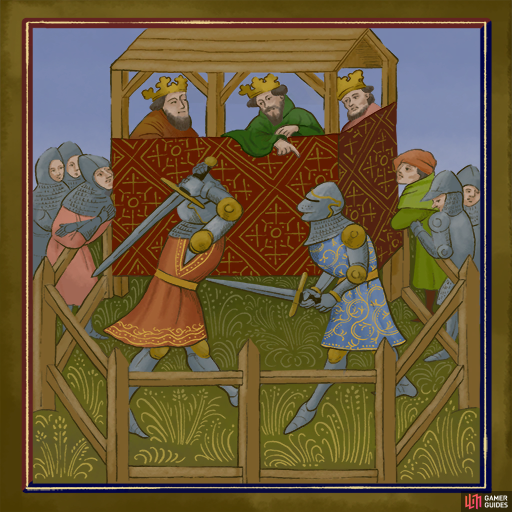
Physical training for a boy to become a knight began before his 7th year of life. He had to be able to run well, jump, climb, and swim proficiently. To strengthen his arms, he threw large stones. Boys had to learn to wield a lance, shoot a bow, wrestle, handle a horse safely, use a shield, and attack. Training also included participation in hunts. The seven knightly virtues according to classical tradition included: horse riding, swimming, archery, sword fighting and wrestling, hunting, playing chess, and composing verses. Swordsmanship with various types of weapons was similarly diligently practiced by townspeople, particularly for defending their cities. In towns, swordfighting and marksmanship guilds were more common than anywhere else, where swordplay was initially taught according to the so-called German school (Deutsche Fechtschule), later dominated by Italian and Spanish schools in the Renaissance. Marksmanship guilds focused on archery and crossbow shooting, and with the development of gunpowder, firearms came into play.
We reconstructed The Kuttenberg City Council primarily from names documented to have actually been on the council. However, we often know little about the real bearers of these names.
Andreas Plumel, in 1403, a bailiff of that name did indeed serve in Kuttenberg
Wenceslas Vorsucher, wealthy burgher, real person (his real name was Christopher)
Prokop Eldris, gunsmith, fictional character
Jerome Naaz, representative of the Kuttenberg patrician family, probably never served on the council
Franz Rosenthal, wealthy coiner, was not on the council until 1412
Enderlin, swordsmith, burgher of that name actually lived in Kuttenberg
Nicholas Krondel, armoursmith, fictional character
In Kuttenberg, as in other towns of the time, it was not the nobility who ruled, but rather the wealthy townsmen, known as patricians. The total wealth of the patrician families of Kuttenberg is estimated to be the second largest in the kingdom, second only to the wealth of the burghers in the capital city of Prague. The most prominent family was the Ruthards with the Maleshov fortress and several parish churches, followed by the Píseks with fortresses in Kouřimsko and Suchdol, the Adlers, and the Vorsuchers. These families lost their power during the Hussite wars, when they had to flee the town to the countryside and lost some of their properties. The exception was the Adler family, who managed to regain their properties after the war.
At the turn of the 14th and 15th centuries, both Czech and German were spoken in the Czech lands. German appeared after German colonisation and spread mainly to towns, higher social strata, love poetry, and bureaucratic language. Czech developed from Old Church Slavonic and was used by poorer inhabitants, becoming the official language only during the reign of Charles IV. In addition to these two languages, Latin was also present, used for writing books, chronicles, scholarly treatises, official documents, and records. Latin was the ecclesiastical and biblical language and served as an international means of communication. From the early Middle Ages, monasteries such as Sasau cared for the development and emancipation of the Slavic language. A pioneer in the cultivation of the Czech language in our region was Jan Hus. In literature, Czech became fully established from the early 14th century. Various genres existed: spiritual and secular lyrics (love poetry), epic poetry, and plays. Among the oldest examples of prose were legends, such as those about Judas, Pilate, the lives of saints, as well as chivalric epics, chronicles, and satires. Besides official documents in Latin, correspondence was written in Czech from the late 14th century.
A military camp near Kuttenberg remained in place for several months, requiring all the essentials of civilian life, including field baths, an apothecary, a clergyman, a mess hall, supply tents, and a sizable contingent of courtesans and prostitutes. Many soldiers embarked on their journey with their families, and hundreds of other “civilians” joined the camp for practical reasons. There was always a need for cobblers, armorers, blacksmiths, bakers, and others. As a result, there were often more non-combatants than soldiers in the camp. To sustain the camp so-called provisioning units were sent out into the surrounding areas. These were soldiers charged with getting provisions at whatever cost. In calmer times, the provisioners normally paid peasants for their food; in more desperate times, they took what they could find. Getting enough sustenance for a crowd of many thousands was a question not only of survival but of morale. Without morale there is no army, without an army there is no campaign… Hygiene was a critical factor for any military camp, as many campaigns ended due to epidemics of dysentery or typhus before they even began.
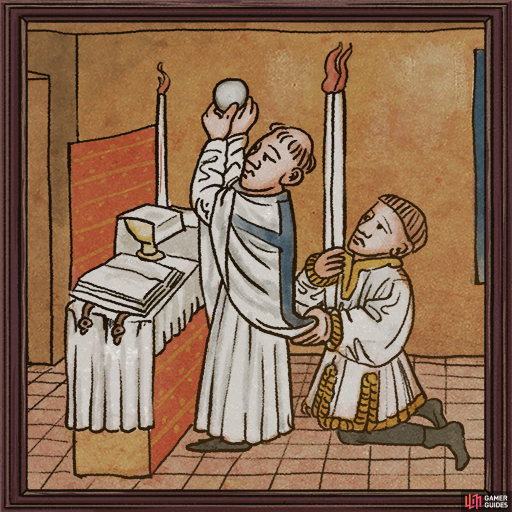
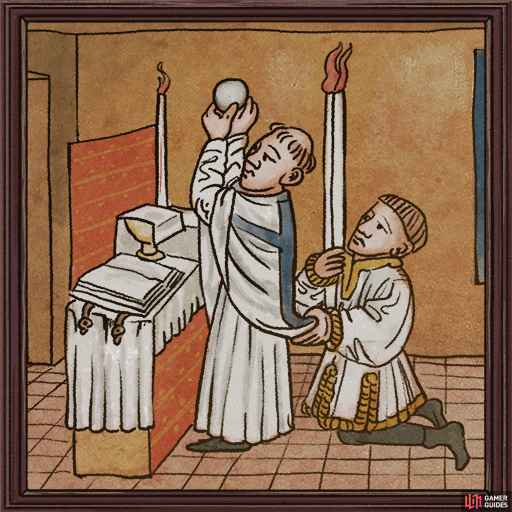
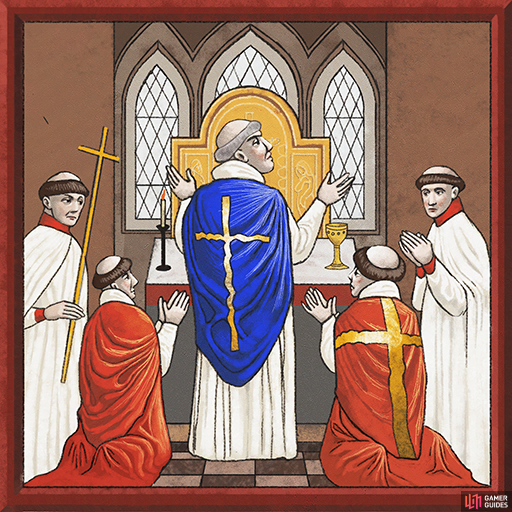
The church inventory consisted of liturgical vessels used during services, sculptures, paintings, and wall paintings which presented biblical stories and church regulations in a simple form to the uneducated populace. Pulpit – an elevated space from which the priest preached or readings were delivered. Altar – the place where the sacrifice is performed. It can be main or side, often richly decorated. Ciborium – vessel used to store the consecrated host. Chalice – used for wine (the Blood of Christ) during communion. Paten – holds the host (the Body of Christ). Monstrance – ornate vessel used to display the Eucharist (the host).
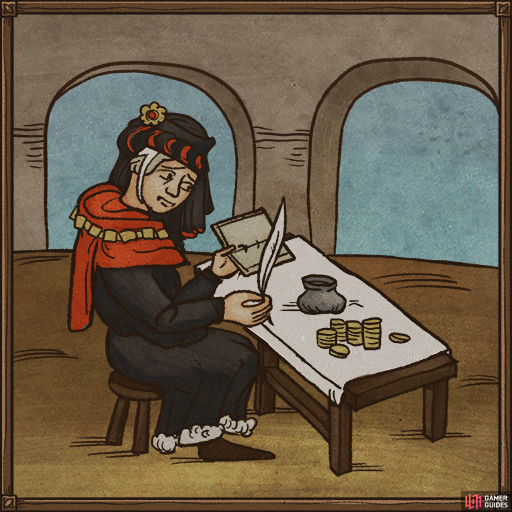
For the proper organization, administration, and control of Kuttenberg mining, it was necessary by the end of the 13th century to appoint a considerable number of royal and supervisory officials and overseers. In addition to stewards who collected taxes from the mined ore, mining offices also employed urban clerks, miners, judges, or senior steigers. The internal operation of the mines was managed by mine masters (hormasters, from the German Bergmeister), other clerks, foremen, and other overseers. Steigers, or royal chief miners, oversaw the adherence to fiscal regulations within the mines. The chief mining officer leased mines and presided over mining courts. He was someone from the Kuttenberg council. In 1386, the office of mint master was established, responsible for the administration of the mines, the quality and minting of coins, the collection of mining taxes, and the operation of mining activities. Mining offices not only supervised the miners and awarded benefits to them but also helped secure wages, provided for the families of miners in case of their death, and supported those who worked in difficult conditions. Those who took on flooded and abandoned mines were granted reduced mining taxes and other benefits.
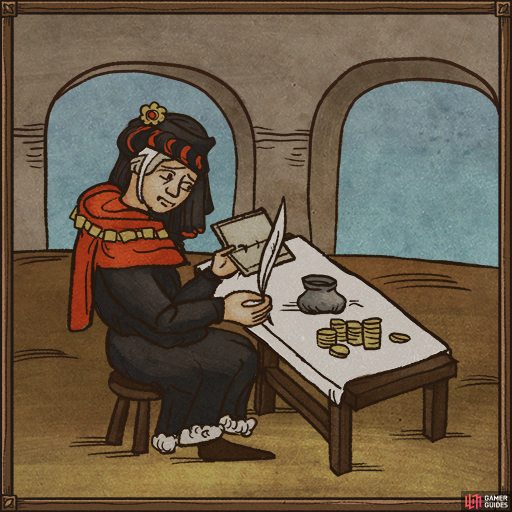
In the Middle Ages, money took the form of minted coins, with values corresponding to the amount of usable precious material (gold or silver). In Bohemia, the long-standing silver Prague groschen was in use. However, in the Middle Ages, the decimal system was not used in everyday life, so one Prague groschen was divided into 7 pence, which were further divided into 14 heller. Similarly, counts were made in dozens (12) and threescores (‘kopa’- 60). Since this would be somewhat confusing for people today, the smallest unit in the game is 0.1 groschen. The coins were circular in shape and were decorated on the reverse with the Bohemian lion in a square, while in Moravia they depicted an eagle. Around the year 1400, the quality of the groschen noticeably declined (and thus its value), and more other metals began to be added to the silver. This was related to the excessive exploitation of the richest metal deposits around Kuttenberg and Jihlava (Iglau) in Moravia, and a shortage of goods for exchange with foreign countries. The economic and financial problems at the time led to growing antisemitism, an increase in crime, and ultimately the collapse of the Bohemian currency. In addition to genuine coins, counterfeit coins (forgeries) were also in circulation. Counterfeiting was one of the most serious crimes and was punishable by burning at the stake. Small silver coins were minted until the Hussite wars. On the obverse was a crown or the crowned head of the ruler. The quality was checked in the mint by two mint masters, who confirmed the metal content with an oath upon their lives. The prices of goods and items varied locally and were valid for only a very short time.
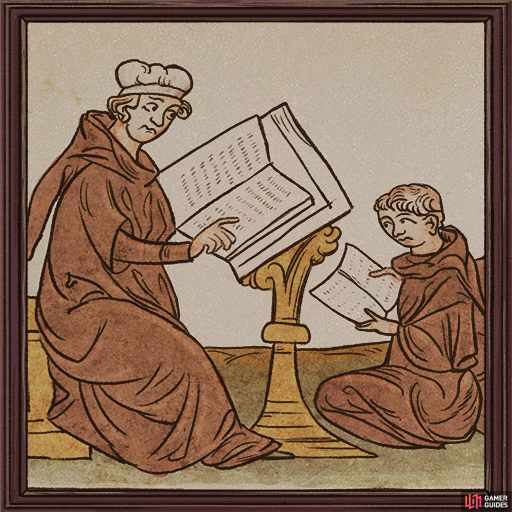
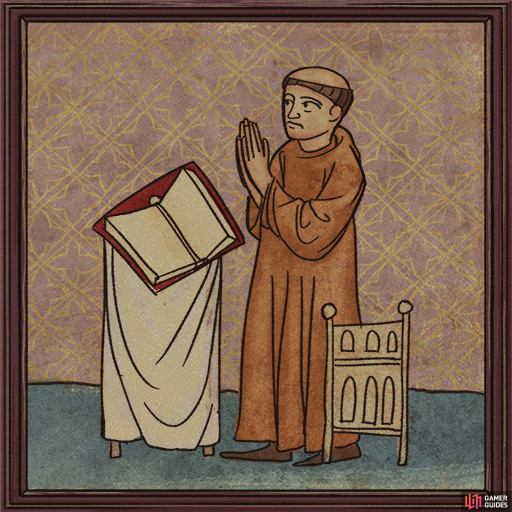
Every monastery, especially those of the Benedictine order, adhered to specific rules regarding time, activities, and the hierarchy within the monastery. Apart from worship, devout reading, and transcribing or illuminating books, monks also engaged in physical work. In addition, members of some monastic orders were not allowed any contact with the outside world from the moment of their ordination. They lived only within the cloister (the enclosed part of the monastery surrounding the inner courtyard), where no layperson was allowed. Communication with the outside world was handled only by appointed elder monks and lay brothers who also managed the operation of the entire monastery complex. There were exceptions, however, such as when the monastery included a school, hospital (infirmarium), or medical workshop, where in times of need, laypeople could also receive care. Monks educated in medicine could also visit the sick and wounded from surrounding villages and towns. A typical day for monks was punctuated by prayers. It began early, shortly after midnight, with vigils. This was followed (between 3 and 4 in the morning) by the first service - matins. Then came prime (at 6 am), followed by terce (9 am), sext (noon), and none (3 pm). Vespers were held before sunset, and finally (half an hour after sunset) compline. After the morning mass, the brothers gathered in the chapter house to hear readings from the monastic rule. This was followed by sermons and discussions relevant to the monastery. Brothers confessed their sins, received discipline, or sought repentance. Between the morning mass (sext) and midday, they devoted themselves to work or study.
Until the 11th century, music and singing were primarily liturgical, though also associated with everyday activities. In the ecclesiastical world, there were Gregorian chants (taking their name from Pope Gregory the Great), which were musical forms for Latin singing unaccompanied by instruments, used in Roman Catholic ceremonies. The Middle Ages were not averse to singing, but it was a difficult time for musical instruments, since the Church frowned upon any kind of music other than vocal. For centuries, therefore, only ancient instruments were used without any new innovations. Instrumental music in its own right gained prominence only in the 14th century, in the ‘ars nova’ or New Art period.
The concept of an original musical work or composition was as yet unknown; music arose mostly from improvisation and musical works were learned by heart and spread by oral transmission.
The period up to the 13th century was characterized by Slavonic names, mostly of pagan origin. Common people would keep names short and simple like Odolen (the robust), Dobroš (the good), Chval (the praised). Names were also given according to social status. Compound names like Drahomíra (values peace), Boleslav (more famed, more fabled) and Ludmila (dear to the people) were reserved for royalty and nobility. Christian names were derived from Latin (Paul, Silvester, Florian), Hebrew (James, Daniel, John) and Greek (Andrew, Nicholas, Peter).
In the late Middle Ages, only names belonging to Christian martyrs were permitted. In the towns and the countryside names like John, Peter, Margaret, Catherine and Anna were common, while the nobility retained the privilege of using names like Sophia, Elizabeth, Jacob, Ulrich or Hermann. Additional bynames added information about the location of the family seat, social or religious standing, or about relationships with relatives, for example Diviš z Talmberka (in KCD Divish of Talmberg), Jan Ptáček z Pirkštejna (Hans Capon of Pirkstein), Hanuš z Pirkštejna, syn Jindřicha (Hanush of Pirkstein, son of Henry). In addition, sometimes an epithet would be used, for example Jan Zajíc (Hanekin Hare) of Valdek, Jan the Younger of Hradec etc.
The growing population and limited number of first names led to the creation of modern surnames. The surname was derived from the place where the person lived (like in English, for example Hill, Woods, Forest), from their occupation (Carter, Miller, Smith), from their physiognomy or appearance (Ruddy, Little, Brown), or were patronymics - derived from the father’s forename (Davis, Littlejohn) or matronymics - derived from the mother’s forename (Marriott, Beaton).
The nobility (nobilitas) formed the highest stratum of feudal society, possessing power and legal privileges associated with their title or family crest. They were directly subordinate to the king and held land only on loan, for which they had to pay dues to the monarch and provide military assistance in times of war. The status of a noble was hereditary, as were the land and the obligations arising from it. The land included its inhabitants, who had to pay rent and work on their lord’s fields. The oldest Czech noble families include: Buzici (e.g., Zajic von Hasenburg), Benešovici (of Dubé, of Kravař), Ronovci (lords of Lipá, lords of Dubá), and Rosenbergs. In the 14th century, the term “lord” referred only to wealthy members of the high nobility who had the right to vote for the king and sit in the provincial assembly. By the 15th century, the title “lord” was used for and addressed to not only rulers, high church officials, and nobles but also members of municipal councils and even ordinary townspeople. A zeman was a land nobleman, i.e., of local origin, living on the given land for a long time. A vladyka managed numerous estates. Squires, who formed the lower nobility, had no property of their own and served the higher nobility. The trends in art were initially influenced only by the higher nobility, but later also by the lower nobility, as they financed works of art. This included buildings, paintings, sculptures, as well as clothing accessories, hairstyles, and furniture. A nobleman did not need to be educated; it was sufficient for him to have military training. For administrative tasks and physical labour, he had his subjects and servants. His main duties included tax collection, managing military forces, and hereditary offices.
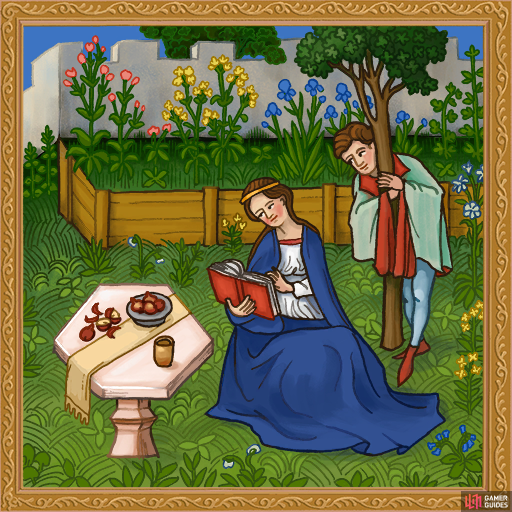
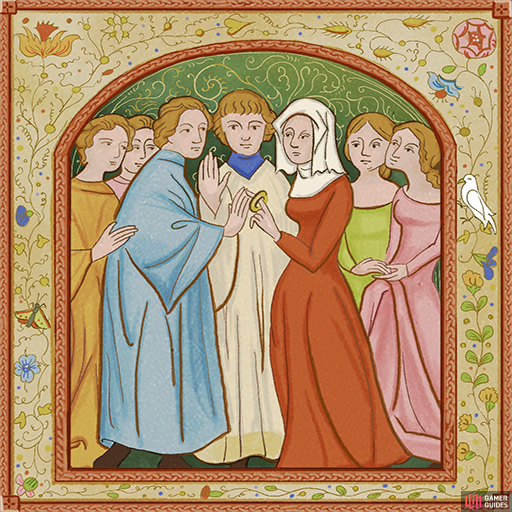
Marriages of the Middle Ages between members of the nobility and wealthy burghers, were marriages of convenience rather than of love. The higher the status of the newlyweds, the less likely it was that they entered into a relationship on the basis of romantic affection. It was not that the ideal of love at first sight or eternal love didn’t exist in the Middle Ages, it was just that the practical side of the matter did not favour these ideas. First and foremost, there was a need to increase political influence; secondly, there was a need to ensure the continuation of the family line and succession. Marriage was a means of diplomacy and trade, through which the passing on of crowns and hereditary claims to entire empires happened. Not infrequently it was marriage that sealed a truce between opposing parties or secured an election in a forthcoming provincial assembly. Marriage of minors was often decided long before the prospective bride or groom reached sexual maturity.
Hetman Originally a commander in certain armed forces, with a rank equivalent to Captain. Later on the role became that of a civic Governor, selected from amongst the local nobility, who represented the monarch in a given territory. Hofmeister From the German Hof meaning a court or manor, a hereditary office at the Royal Court, responsible for management of the Court. Under-Chamberlain Along with the Chancellor, the Under-Chamberlain (in Latin Subcamerarius) was a member of the office such as the protonotary or notaries who represented the monarch in royal cities. Burgrave A representative of the monarch and head of provincial officials of knightly status. His duties included management of the city and leading the army when necessary.
A collective term for individuals who did not settle in one place and changed their location depending on livelihood, seasons, security situation, or forced displacement. Due to their nomadic lifestyle and foreign customs, they were often viewed with distance or became targets of discrimination and prejudice. In the majority society of Czech lands, the term gypsies became established for nomads, although later it turned into a pejorative term, even though originally it simply referred to a non-settled person and did not primarily refer to any specific ethnicity. In our game, the Nomad’s camp is a mixture of people of various nationalities and destinies brought together by their journey.
Merchants played an important role in the developed mining process of Kuttenberg – independent entrepreneurs known as ore merchants, who bought ore from the king’s vassals (feudal miners or the miners themselves) and processed it in their own smelters. They smelted the mined ore and then were obliged to deliver the produced silver to the Kuttenberg mint at an agreed price. Thus, they were important links in the entire process of silver production. The ore merchants were naturally aware of their importance in the mining industry, and therefore they founded their own association to protect their properties and interests. It was not uncommon for greed to lead the ore merchants to violate the law for their benefit – for example, secretly pressuring to lower the price of ore, thereby increasing their profits at the expense of the miners and the ruler.
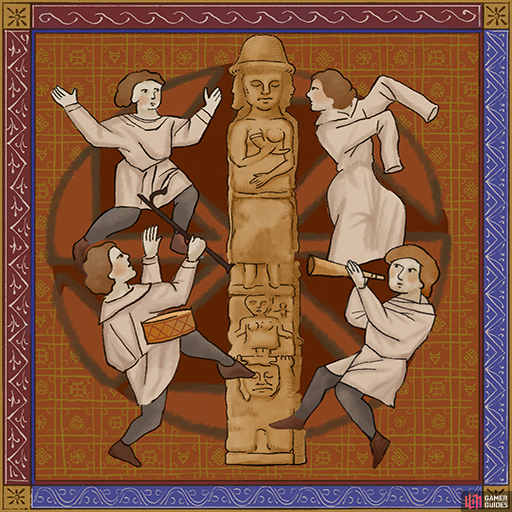
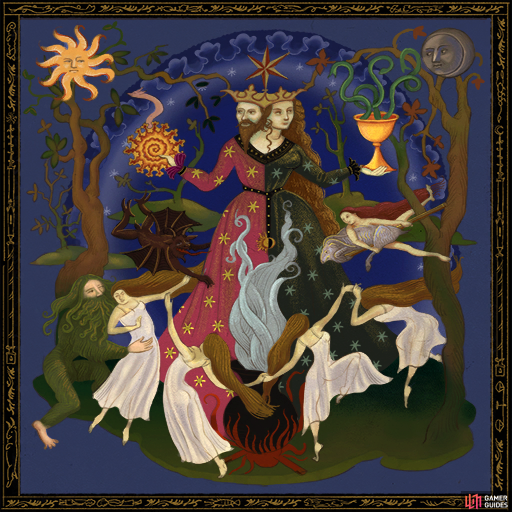
Pagan traditions persisted in the Czech lands even after the adoption of Christianity, mainly in the form of folk customs and traditions. They included elements from Celtic, Germanic, and Slavic cultures, and the various influences mixed and increasingly adapted to Christianity over time. Some customs remained in their original form, such as folk superstitions and poems. Others disappeared completely under the pressure of the Christian church. Paganism in Slavic lands survived in the motifs of jewelry and object decoration, in folk healing, or in the form of festivals – the winter and summer solstices, carnival, Easter, Walpurgis Night, Midsummer, All Souls’ Day, Advent, and Christmas all mirror original pagan celebrations, but were renamed and their meanings adapted to Christianity.
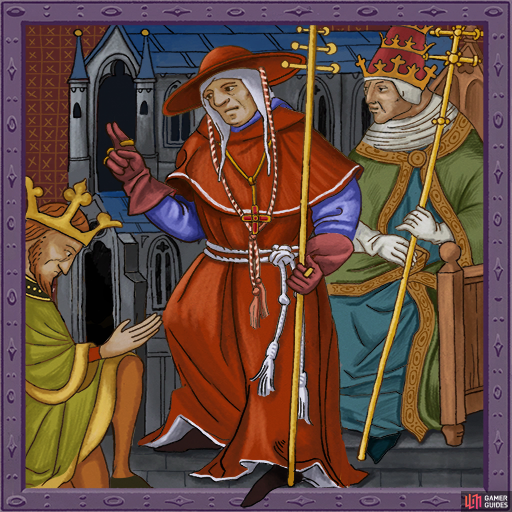
Also known as an Apostolic Nuncio, he is a representative and delegate of the papal throne defending its political interests. The legate is sent directly by the pope to mediate negotiations with the king or to sit on a significant council. In addition to diplomatic power, the legate also had ecclesiastical power and could make decisions on internal church matters, such as establishing bishoprics or excommunicating offenders. Legates were held in high esteem, and even the monarch had to be wary of them, for according to medieval customs, secular power was appointed and consecrated by the church.
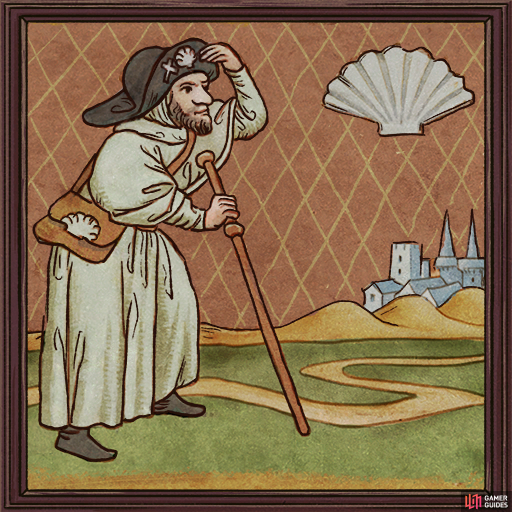
Religious pilgrimages were an important part of the Christian world. There were many reasons to embark on a pilgrimage: seeking forgiveness for sins, shortening the stay in purgatory for the pilgrim’s soul or that of their loved ones, asking for healing or other divine help, expressing gratitude, or deepening one’s piety and devotion. The destinations of pilgrimages were places associated with Christ’s presence and activities or the places of action or rest of saints. The most significant place was the city of Jerusalem and the site of the Holy Sepulchre. In Europe, the most visited places included Rome, the seat of the popes and associated with the activities of St. Peter, and the city of Santiago de Compostela with the relics of St. James. In the Czech lands, the most important pilgrimage site was Prague, where the relics of several saints rested over time, the most significant being the national patron St. Wenceslas, who was interred in St. Vitus Cathedral. Undertaking a pilgrimage meant enduring a challenging and often dangerous journey, whether by land or partially by sea, and it was considered a significant achievement for the individual. Providing shelter and help to a pilgrim was regarded as a matter of good manners. The development of pilgrimage also had an economic and commercial aspect, especially around pilgrimage sites and travel inns. A pilgrim could often be recognized by their specific attire, which is frequently depicted in various images. This typically included a satchel, cloak, pilgrim’s staff, pilgrim badges, and the scallop shell of St. James was a common motif or symbol. The scallop shell was a popular item, believed to be blessed and thus endowed with supernatural abilities. Such a shell was sometimes placed at the bottom of a well to ensure the purity of the water.
The oldest prayers were dedicated to the Virgin Mary – e.g. Ave Maria(Hail Mary), the rosary, and many litanies. The original form of prayers were pagan formulations, which were adapted to the new doctrine upon the acceptance of Christianity. In addition to Marian prayers, the Our Father (the Lord’s Prayer) and the Credo (creed), and the Angelus were recited and even more frequently sung. Litanies were primarily dedicated to Christ, but also to other saints - the priest would chant and the people would respond with Kyrie eleison. Monks knew and used many more prayers related to the daily cycle. Hermits and others who devoted themselves to God and solitude recited the Holy Scriptures and psalms. During the liturgy, Latin was predominantly heard, but there were also prayers or songs in the vernacular, e.g. Lord, Have Mercy on Us or Saint Wenceslas.
Priests in medieval society were part of the elite and among the few who had some education. Village priests were not as educated as those from larger parishes. They were not good at reading or writing and did not maintain a library; instead, they memorised liturgical texts. They were also not very wealthy, often working in the fields or raising livestock like other peasants. They did not observe celibacy, engaged in folk entertainment and games, danced, and frequented taverns. Lax morals and declining education later appeared in towns and monasteries. In contrast, priests in large parishes and towns possessed more wealth and did not need to do manual labour except for serving God. The duties of a priest included preparing and conducting mass, hearing confessions, taking care of the church (its operation and decoration), visiting the poor and sick, organising collections for charity, collecting taxes, baptisms, weddings, last rites, and funerals.
Based on linguistic analysis of the Romani language, we know that their origin comes from India. However, why migration to the west occurred between the 5th and 10th centuries AD can only be speculated upon. In the early 15th century, several groups of nomadic Roma, numbering from dozens to hundreds of people, may already have been moving across Czech lands. Records indicate that they presented themselves as Christian refugees expelled from the Holy Land after its conquest by the Arabs. This initial portrayal earned them respect, and many rulers and sovereigns provided them with passes ensuring free passage and protection. However, along with their migration into continental Europe, cultural misunderstandings and conflicts began to arise. The Roma, with their exotic cultural practices and attire, often faced incomprehension. Despite the difficult coexistence, the Roma tried to survive as best they could. They were renowned horsemen, blacksmiths, and musicians, and their supposed ability to control the supernatural is often mentioned. The latter, however, is more likely an attribute of our tendency to attribute unknown things to an otherworldly origin.
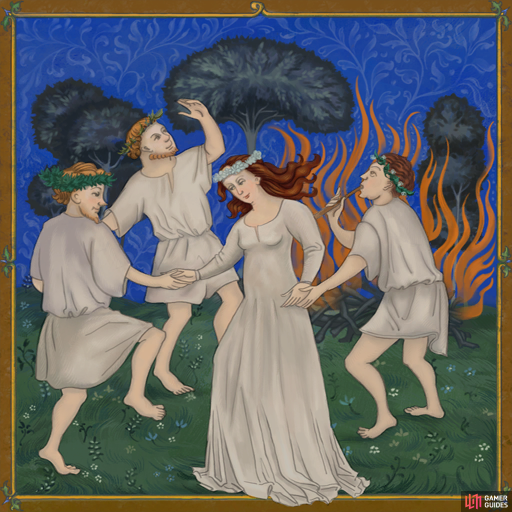
St. John’s Eve is one of the European folk traditions that takes place on the eve of the feast of St. John the Baptist, from the 23rd to the 24th of June. Although the name in some languages refers to a Christian celebration, it is actually a much older pagan custom. This night marks the celebration of an important moment in the year – the solstice – which is reflected in the names of this festival in Germanic and Scandinavian languages (such as Midsommer). The celebration of this festival takes place after sunset, ideally in nature, where people dance around the fire, sing, make merry, and participate in various rituals. Men jump over the fire, which symbolizes courage and skill. Women demonstrate their endurance by dancing around the maypole or seek their future husband through the tradition of floating a wreath of flowers. The girl must weave the wreath before midnight and then send it down the stream. The young man destined for her is the one who retrieves her wreath from the water. It was also believed that on St. John’s Eve, herbs have the greatest power. Therefore, at this time, they were added to meals or brewed into healing infusions that could bring luck, love, or a bountiful harvest. According to tradition, a girl could also see the face of her chosen one if she placed nine kinds of flowers under her pillow, which she had silently picked that night without looking back. The nine herbs included daisy, rose, catchfly, cornflower, stonecrop, chickweed, thyme, violet, and bellflower.
The meaning of the word honour in the Middle Ages encompassed not only honesty but particularly living in accordance with the conventions of one’s status. An honourable craftsman was one who followed the guild’s rules, attended church, and had no disreputable remarks made about him. Honour was sacred, and preserving it was a matter of prestige and social status. Losing one’s honour meant ending up on the fringes of society. Thus, honour had to be not only built but also fiercely defended. Honour could be lost not only by transgressing social norms (such as having an illegitimate child or losing virginity before marriage) but also by violating unwritten conventions (such as shaking hands with an executioner, handling a dead body or carcass) or simply by failing to defend one’s honour when it was challenged. In medieval perception, there were also so-called dishonourable people, those who had no honour at all. This group included executioners, knackers, prostitutes, and beggars. At certain times in history, millers were also considered dishonourable. Calling someone a sexual organ or an animal was not nearly as insulting as calling them dishonourable. Such insults often ended up before the bailiff, the court, or even in a duel. A special chapter is devoted to knightly honour, which was often a theme in literary works and, from today’s perspective, can seem almost comical.
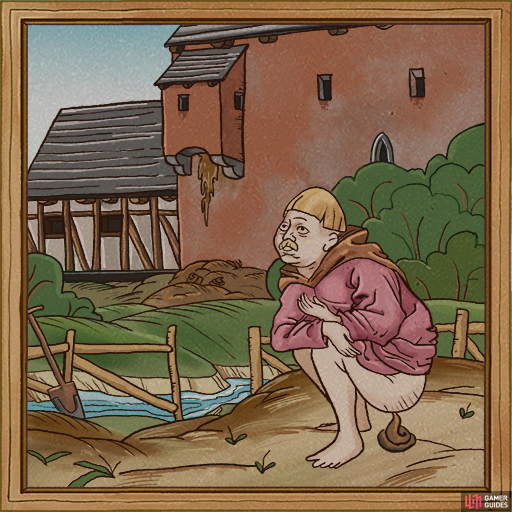
In the countryside or during wars, people would relieve themselves in nature, in the barn, or in the yard near the dung heap. Higher-status homesteads had a small wooden shed built near the dung heap. At night, chamber pots were used, kept under the bed, and emptied onto the dung heap in the morning. In castles and wealthier homes, one could find a privy—a toilet, if possible, located in one of the heated rooms, in a bay window on an upper floor. It didn’t always have doors and was equipped with a seat with a round hole. It was often located directly in the banquet hall, so the user did not have to leave the room and could observe activities at the table from the privy. Privies were typically in a niche carved into the wall, fitted with a slanted chute that opened to the outside of the building. In both cases, faeces would freely fall along the castle walls into a moat or down a slope. Over time, privies were modernised and flushed with rainwater. Additional features were added, such as a flap that released the waste outside, which only opened when stepped on. Despite these advancements, it was still common practice until the 16th century to empty chamber pots out of windows onto the street in cities.
Basic agricultural tools in a Czech medieval village included Henry’s trusty shovel (spade), and then adzes, hoes, spades, shears, knives, axes, flails, scythes, rakes, forks and also ploughing tools such as the beamed plough, turn-plough, ard-plough and harrow. Each craft had need of its own special equipment and tools. Later, agricultural instruments played, among other things, a decisive role in the hands of skilled farmers during the Hussite wars, when, with minor improvements, they proved surprisingly useful not only for threshing grain, but also enemy knights (Catholics). The versatility of the tools and also the ingenuity of the medieval people is evidenced by a preserved poem from the Jihlava (Iglau) region on the border of Bohemia and Moravia: Jihlava maidens are quite fine folks, they curl their hair with manure forks.
In medieval towns, law and order were maintained by the bailiff. From the 14th century, this role was taken over by the catchpole, and later by the night watchman and crier in town towers. The catchpole, along with the bailiff, executioner or their henchmen, also carried out punishments on offenders. However, they were not allowed to enter free houses (palaces and houses of nobles, rulers), church buildings, or universities, which students often exploited. Order in the town had to be maintained by the townspeople themselves. They were required to report not only crimes but also, like the night watchmen, announce the time, and warn of fire, floods, or storms. For safety reasons, it was forbidden to go to the castle, chambers, stables, barns, and byres at night with an open flame (torch or candle). Only lanterns were to be used. To maintain night peace, all taverns had to close after sunset. In a medieval town, military service was performed either by hired professionals or by the town’s citizens themselves. Every healthy adult man was expected to serve in the town’s garrison for at least a few days a year. Different quarters or guilds had their own sections of the town walls to guard, and in the event of an alarm, the town’s defenders would gather at these sections. In practice, wealthy townspeople would pay others to perform guard duties for them, hiring poorer men who saw this as a welcome source of income—thus gradually forming a professional town guard. Each guard and town militia member provided their own armour and weapons, unless their guild provided it. Only wealthy towns could afford their own state armoury. The right to bear arms outside of “service” was only granted to townspeople with a certain level of property. Inside the town walls, a simple stabbing weapon, dagger, or knife had to suffice. Only truly wealthy townspeople carried swords, following the example of the nobility.
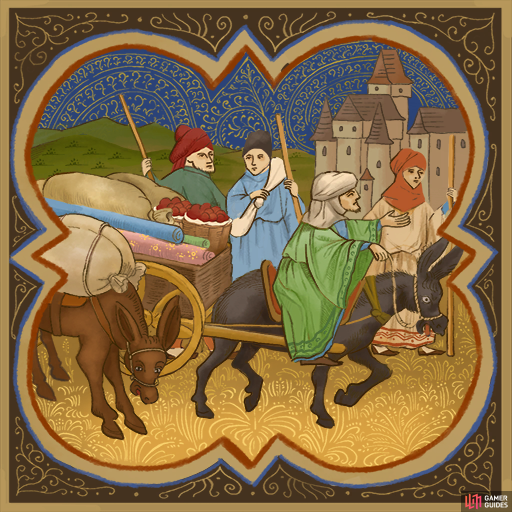
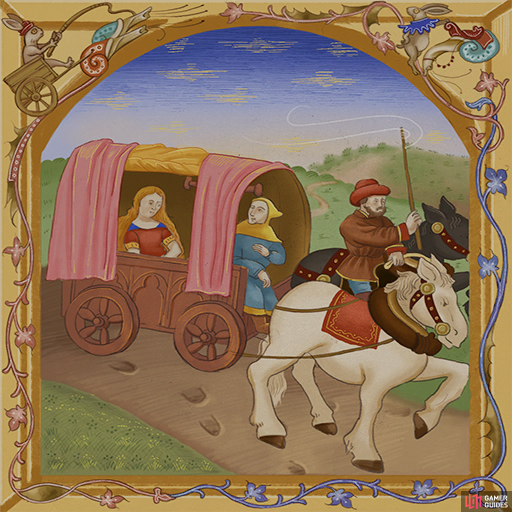
Travel in the Middle Ages was dangerous but essential, especially for merchants. The nature of the roads differed according to their purpose - trade routes featured fords, bridges, inns, signposts, milestones, and the like, while such luxuries were absent on pilgrimage routes. People could travel 25-30 km per day with a cart. They would stay overnight in inns at crossroads, and goods would be left at a warehouse. During times of destabilisation and chaos, such as those depicted in Kingdom Come: Deliverance, merchants and travellers were often attacked by bandits or robber knights, so people usually travelled in groups, often with hired armed escorts. Into Bohemia, goods such as linen, silk, and other fabrics, weapons, salt, wine, seafood, sea fish, southern fruits, spices, and other exotic and luxury items were imported. Exports included grain, butter, honey, beeswax, beer, malt, freshwater fish, cheese, and other local products.
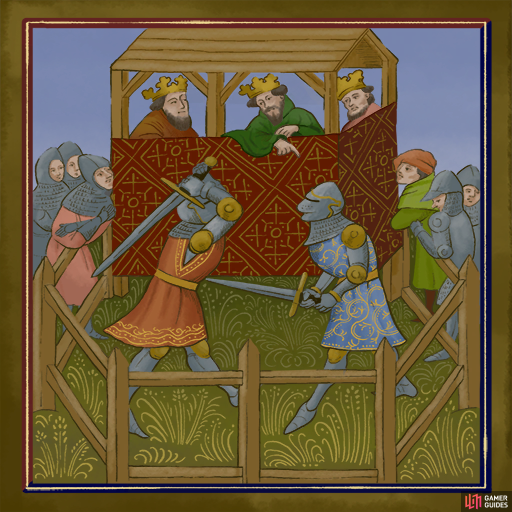
Besides being judged by municipal or regional courts, in the Czech lands up to the 14th century, it was also common (though unofficial) to use so-called trial by ordeal. Guilt or innocence was determined by appealing to God – who was supposed to judge the guilt or innocence. A typical ordeal might involve a trial by fire, hot water, poison, or combat with the opposing party. The trial often ended with injury or even the death of the accused or the opponent.
In the Czech lands, any practices connected with magic that were intended to harm rather than help (especially by women) were regarded as witchcraft. In the early Middle Ages, witchcraft was divided into white magic – beneficial and associated with healing, and black magic – curses, hexes and abuse of magic for iniquitous purposes. Magic included divination, necromancy, alchemy, herbalism, and entrenched pagan customs and rituals, which had originally constituted an integral part of medieval society.
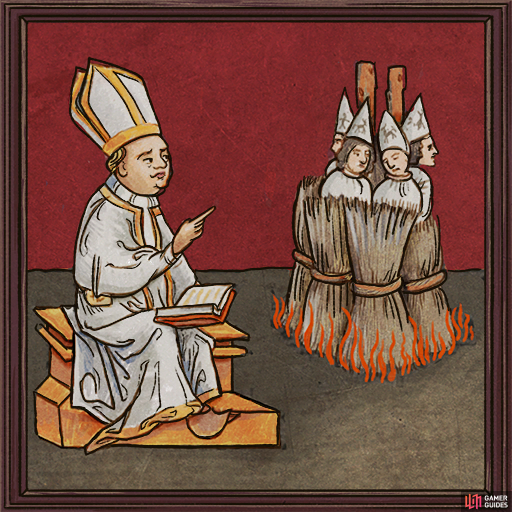
By the end of the 15th century, efforts to eradicate witchcraft culminated in senseless witch-hunts and persecution of anyone involved with magic. The persecutions peaked around the end of the 16th century, when hundreds of people fell victim to the zeal of the witch-hunters. As well as the Inquisition, many superstitions and half-truths have arisen concerning witchcraft, though only a few are grounded in truth. Although many were convicted and condemned during the period, most of those accused of heresy or witchcraft escaped unscathed. On the contrary, it was often those who had denounced them, with covetous intent, and whose accusations proved to be false, who were punished. More people fell prey to lynch mobs and fanatical self-proclaimed inquisitors than to institutionalized witch-burnings.
In the medieval patriarchal society, the male was the head of the family, and a woman’s role was defined by her relationship to him—daughter, sister, wife, mother, or widow. Girls had a short childhood, reaching adulthood between the ages of 12 and 15 according to municipal documents, while boys reached adulthood at 15 years old. Women were primarily expected to take care of the household, home, and family, while men spent most of their time engaged in crafts or trade. Only a widow could obtain permission to run a business or practice a craft with the help of journeymen. For wealthier women, domestic activities included mainly embroidery, cleaning, child care, shopping, or teaching musical instruments. In the countryside, women worked in the fields or pastures, engaged in beekeeping, weaving, spinning, food preparation, knitting, or sewing. Women were also employed in some professions, such as midwives, servants, innkeepers, bathhouse attendants, or moneylenders. Women rarely left their homes unnecessarily. The rules for outings were defined by the relevant social class. While townswomen and noblewomen could move outside the home only accompanied by their husbands or servants, the wives of craftsmen, traders, and farmers could go out alone. The ideal of beauty in the high Middle Ages was a thin, pale woman with long blonde hair, small round breasts, not too wide hips, and a narrow waist, with an emphasis on health and fertility. Pregnancy was very common from the onset of sexual maturity in women. Births were complicated and subsequent care inadequate, making the risk of death during childbirth high. Miscarriages were also frequent. Unmarried daughters or single mothers brought disgrace to their families and were even marginalized in society. Girls did not inherit trades; parents had to accumulate a dowry and pay it to the groom.