
Nioh 3 is one of the most satisfying and enjoyable soulslikes in years
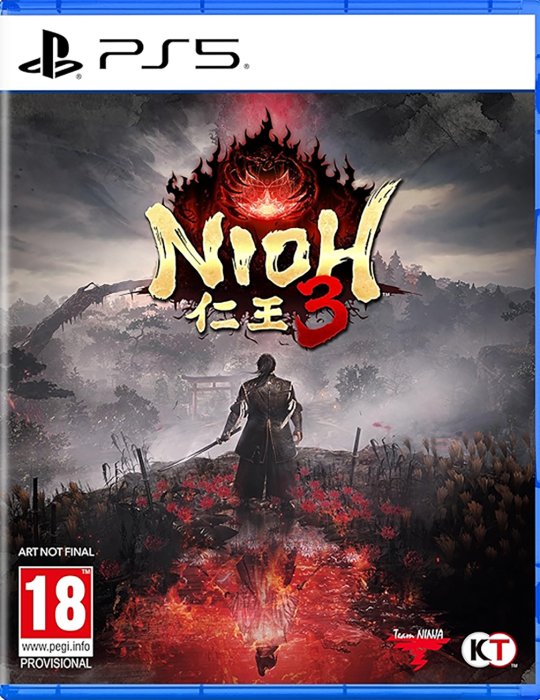


Pros
- Incredible level design and structure with the open maps
- Engaging and rewarding stories, side missions, and exploration
- Deep, polished, and flexible combat across Samurai and Ninja styles
- Impressive level of build customization and choice
- An addicting gameplay loop where the mechanics and systems feed back into each other
Cons
- Slightly too much loot spam again
Team Ninja is a developer that has been putting out good or great games for years. While some of their experiments with action games haven’t landed smoothly, the studio’s bread and butter since 2017 has been the Nioh series. Steadily improving with each release, Nioh 3 is the most enjoyable the franchise has ever been.
It combines a lot of the lessons learned with the likes of Rise of the Ronin and Wo Long: Fallen Dynasty to create an expansive, deep, and gratifying Soulslike. Some major structural changes to the story, the addition of new playstyles, and ironing out many of the series mechanics make it one of the best action titles in recent years and by far Team Ninja’s best and most flexible game yet.
Traversing Time
In Nioh 3, you play as your own custom character called Tokugawa Takechiyo, the grandchild of Japanese samurai Tokugawa Ieyasu, who founded the Tokugawa shogunate. On the precipice of becoming Shogun, your younger brother, Tokugawa Kunimatsu is corrupted by a sinister force and leads a horde of Yokai against you and your allies.
In order to stop him and the Yokai force, you traverse across time exploring large open battlefields, making allies in the time period, and trying to dispel the Yokai force in each region of each era’s battlefield. At the core of each of these battlefields is a Crucible which must be cleared in order to remove the Yokai threat. More on this later in the review, but they are the more linear, challenging sections of the game that retain some of the classic difficulty the series is known for.

While the story isn’t anything beyond what the series has seen before, the new structure is a huge improvement.
This open battlefield format is a huge shakeup for the series, moving away from a mission-based format and opting for a blend of what Team Ninja tried with Rise of the Ronin and Wo Long: Fallen Dynasty.
These maps are made up of around a half-a-dozen regions or so, depending on the map, and each region feels about the same size as a mission from previous games. It’s not an open world, but rather extremely large levels that you can explore freely (unless paths are blocked off by the main story).
This process of slowly clearing the map, region by region, ticking off all the collectibles, clearing every pathway of enemies once, and then moving on to the next is just immensely satisfying.
This process of slowly clearing the map, region by region, ticking off all the collectibles, clearing every pathway of enemies once, and then moving on to the next is just immensely satisfying. While the activities in these regions aren’t the most creative, like enemy camps or chests to open, the process of clearing them completely is encouraged. As you will raise your Exploration Level in each region, your stats are then boosted in that region. You are also rewarded with new items, and more icons and parts of the map being revealed fully, allowing you to ensure you properly scour every cave and pathway.

Exploring each period and clearing the map is the most engaging gameplay loop in the series yet.
There are engaging and enjoyable activities scattered amongst those other tasks, however. These include challenging certain Masters, which provide you with new weapon skills, as well as side missions that are engaging and meaningful stories that encourage exploration further without feeling like fetch quests.
It’s an excellent format that breaks away from the archaic structure of the previous games and provides compelling reasons to explore levels fully.
Surprisingly, there is enough variation between regions that the environment never feels repetitive or bland, with the game’s first major map including large fortresses, towering castles, open farmland, windy forests, underground cave systems, flowing riversides, and tranquil beaches. Nioh 3 also looks excellent visually, making it Team Ninja’s most pleasant game to look at.
Style Switching
Besides the open battlefield maps, Nioh 3’s other major shakeup is the Ninja style. While the Samurai style retains a lot of the core combat features from the previous games, like the Ki Pulse and slow, guard-focused combat, the Ninja style feels like an entirely different game in a great way.

Ninja is such a fun playstyle that it turns Nioh 3 into a fantastic action game, removing some of the friction with the game’s systems.
You can switch between these two at any moment with just a button press, giving you two builds, loadouts, and playstyles that can be used at any time. The Ninja style is focused more on dodging, quick attacks, and using Ninjutsu magic skills to surprise an enemy or keep them moving in a one-on-one fight.
As such, some of the combat mechanics from previous games, like the spells and weapon types, have been moved over to the Ninja playstyle. Only the Ninja can use Ninjutsu, but only the Samurai can regain Stamina with Ki Pulses, as the Ninja doesn’t have that mechanic tied to its gameplay.
Despite locking certain aspects of the game behind each playstyle, it isn’t a problem at all because you can switch between each of them so quickly. In fact, you can even parry red unblockable attacks by switching styles, encouraging you to maintain a loadout for both and constantly swap between them.
Both styles feel like they contribute to a balanced combat experience that feels just as fluid, intense, and fast-paced as the previous Nioh games.
While I gravitated towards the Ninja most while playing, as I love the Talons weapon type, which has appeared as the “fist” options in previous games, I also found myself growing to love the Samurai style more as I got deeper into the game. Once I developed its skill tree and began to properly flesh out some of the weapons with unique customizable skills, along with charged moves which can now be actively changed and altered in-between fights in the main menu.

Switching between styles to block massive boss attacks, staggering the enemy, and stunning them feels so rewarding in combat.
Both styles feel like they contribute to a balanced combat experience that feels just as fluid, intense, and fast-paced as the previous Nioh games. The game’s open map structure does mean you can actively out level certain regions of the map (although not bosses), making it a breeze to get through if you are overlevelled. There are still challenging formidable enemies scattered throughout, but the addition of the Ninja playstyle and the open map structure meant I found myself less frustrated than ever before in the series.
Nioh 3 is much less of a grueling Soulslike at times and more of a really fun, flexible action game that I just loved fighting my way through. That isn’t to say it isn’t challenging, as the aforementioned Crucible serves as tough sections of the game where more formidable enemies are found. Additionally, any hits you receive in the Crucible lower your overall health by debuffing you with Life Corrosion, forcing you to be on your A-game. There are ways to counter that with some upgrades, which I will discuss more in the next section of the review, but these sections and some of the tougher bosses still provide the challenge the Nioh series is known for. Nioh 3 is just less relentlessly challenging constantly.
Play Your Way
One of the best parts about these two playstyles is the sheer amount of flexibility you now have in combat. While Nioh and Nioh 2 had quite a large variety of different weapon types, Nioh 3 has the same types, but even more customization and flexibility in how they play and your ability to jump between up close and personal, fast-hitting weapons, and longer-range swords and Odachi, which can hit hard, despite their slow attack speeds.
Most of this is granted by the style switching, but you now have more meaningful set bonuses for entire gear sets, which can boost your stats or attacks, as well as the ability to freely chop and change individual moves and attacks. These have appeared in previous games, but the amount of button combinations, attacks, and moves is much greater here and can be customized for each individual weapon type for both Ninja and Samurai.

Hidden in some optional areas are some really cool set-pieces and showpiece moments the series has never seen before.
Nioh 3 still suffers from the problem of “too much loot” at times, where you are constantly dismantling or selling items because every fight, you get something new. But it’s a small issue and easy to overlook, especially with all of the settings in the menu you can use to make this as manageable as you want. There are even shared Ninjutsu skills and attacks that can be customized universally across weapon types for the Ninja and Samurai.
The level of choice here is just incredibly impressive and adds to the depth of combat
The level of choice here is just incredibly impressive and adds to the depth of combat, offering the most engaging buildcrafting and gameplay in the series to date. On top of the individual gear and weapon customization options, you can also add a suite of Guardian Spirit skills that are elemental-infused abilities that are charged by using Spirit Force, which is increased by exploring and completing activities in the open maps.
This creates a rewarding and satisfying gameplay loop where exploring rewards you with loot or interesting side missions, which then allows you to explore harder regions. This means you can take on tougher bosses and find some of the collectibles. This in turn rewards you with more Spirit Force as you clear each area and allows you to equip buffs like Jizo and Kodama blessings that can increase your Elixir drop rate or allow you to remove more corroded health in the Crucible (just to name a few). All of that then makes combat more approachable and enjoyable as you gain new skills from Masters, weapons, or expand your arsenal of magic and summonable Yokai.

Even small things like exploring areas, killing enemies, finding loot can reward you with stat bonuses and passive upgrades to your character.
It’s really quite incredible how the entire game feeds back into itself, and the moment-to-moment gameplay flow is so enjoyable that Nioh 3 feels like the best version of Team Ninja’s gameplay formula yet. There is no bloat or underdeveloped mechanics in here, and that makes it the strongest entry in the series.
Ultimately, Nioh 3 is the best game in the series as it feels like the culmination of the experiments, games, and mechanics Team Ninja has infused into their action games ever since the first Nioh. While streamlined in some areas, the level of depth on offer here in the moment-to-moment gameplay and the satisfying nature of its new open map level design makes it a joy to play through from start to finish.
I could easily take another two or three games playing with this formula, expanding the options you have as a player, and moving the series to new eras and environments as it just works so incredibly well. I haven’t had this much fun in a Soulslike in a long time.
The best the series has been
Nioh 3 feels like the culmination of Team Ninja’s action games since Nioh, offering a delightful new level structure and the most satisfying and flexible gameplay in the series to date.
Gameplay:
Sound:
Graphics:
Story:
Value Rating:

No Comments