Animals
| Icon | Title | Details | ||||||||||||||||||||||||||||||||||||||||||||||||||||||||||||||||||||||||||||||||||||||||||||||||
|---|---|---|---|---|---|---|---|---|---|---|---|---|---|---|---|---|---|---|---|---|---|---|---|---|---|---|---|---|---|---|---|---|---|---|---|---|---|---|---|---|---|---|---|---|---|---|---|---|---|---|---|---|---|---|---|---|---|---|---|---|---|---|---|---|---|---|---|---|---|---|---|---|---|---|---|---|---|---|---|---|---|---|---|---|---|---|---|---|---|---|---|---|---|---|---|---|---|---|
|
Paratoad |
Toads containing a paralytic gas that are usually found by the water. They are sensitive to force and will release the gas as a defensive measure; it’s powerful enough to stop hunters and large monsters in their tracks, which buys the |
||||||||||||||||||||||||||||||||||||||||||||||||||||||||||||||||||||||||||||||||||||||||||||||||
|
Nitrotoad |
Toads that store an explosive liquid within their bodies. Any physical stimulus causes them to spray this liquid and flee. Once the liquid contacts the air, it detonates, wreaking havoc. Though these creatures prefer to live in environments abounding in combustible materials like coal, their diet actually consists mostly of insects and crustaceans. It is yet unknown what causes them to produce the explosive liquid. |
||||||||||||||||||||||||||||||||||||||||||||||||||||||||||||||||||||||||||||||||||||||||||||||||
|
Sleeptoad |
Toads that store sleeping gas in their bodies. A shock will cause them to spray the gas, putting the enemy to sleep while they escape. The gas is so potent that it affects hunters and even large monsters. You may be able to gain the upper hand if you use this to your advantage and direct the gas at a monster. |
||||||||||||||||||||||||||||||||||||||||||||||||||||||||||||||||||||||||||||||||||||||||||||||||
|
Windrustler |
Plains dwellers that move in packs. They use their arrow-like crests to coordinate movements and alert each other to threats. Since they stand their crests up when people and monsters draw near, that gesture is believed to indicate danger. |
||||||||||||||||||||||||||||||||||||||||||||||||||||||||||||||||||||||||||||||||||||||||||||||||
|
Black Windrustler |
A rare variant occasionally spotted in a |
||||||||||||||||||||||||||||||||||||||||||||||||||||||||||||||||||||||||||||||||||||||||||||||||
|
Nothpecker |
Birds that live in symbiosis with the Ceratonoths and are often seen perched on their backs. They use their plier-like beaks to pick away old scales and feed on insects that have wormed their way into the cracks. In return for this grooming service, the Ceratonoths give the |
||||||||||||||||||||||||||||||||||||||||||||||||||||||||||||||||||||||||||||||||||||||||||||||||
|
Landlight Shrimp |
Shrimp-like creatures that use their secretions to comb through fulgurite and feed on organic matter like dead |
||||||||||||||||||||||||||||||||||||||||||||||||||||||||||||||||||||||||||||||||||||||||||||||||
|
Pink Landlight Shrimp |
Land-dwelling crustaceans that gather on gaseous vents in the Oilwell Basin. The hair on their heads and chests collects particles from the gas and steam, which attract the microbes that they feed on. The faint light they produce is thought to be a byproduct of the microbes they eat. They appear in a variety of sizes during the Firespring. |
||||||||||||||||||||||||||||||||||||||||||||||||||||||||||||||||||||||||||||||||||||||||||||||||
|
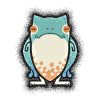
Amstrigian |
Migrant birds that live in the forest, but travel to the plains during the Plenty to raise their young. |
||||||||||||||||||||||||||||||||||||||||||||||||||||||||||||||||||||||||||||||||||||||||||||||||
|
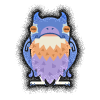
Hymstrigian |
Rare birds with beautiful voices. Though similar to the |
||||||||||||||||||||||||||||||||||||||||||||||||||||||||||||||||||||||||||||||||||||||||||||||||
|
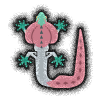
Rufflizard |
Lizards with adipose tissue near their jaws and tail. When food is plentiful, these sac-like reservoirs fatten up and turn a healthy red. A |
||||||||||||||||||||||||||||||||||||||||||||||||||||||||||||||||||||||||||||||||||||||||||||||||
|
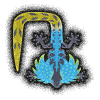
Azure Rufflizard |
Rare lizards with a different coloration than the more common |
||||||||||||||||||||||||||||||||||||||||||||||||||||||||||||||||||||||||||||||||||||||||||||||||

|
Mimiphyta |
Forest creatures that survive by using mimicry to disguise themselves as plants, confusing predators and luring in prey. |
||||||||||||||||||||||||||||||||||||||||||||||||||||||||||||||||||||||||||||||||||||||||||||||||
|
Gawkie |
Creatures that live in cold climates, often in abandoned buildings. Their slowness and lack of defensive measures suggest they aren’t accustomed to threats. Perhaps because of this, they’re not very cautious and will watch curiously while standing on their tails. They also like to gnaw on hard things like the Landspine to wear down their teeth. They are omnivorous today, but it’s possible they fed on harder substances in the past. |
||||||||||||||||||||||||||||||||||||||||||||||||||||||||||||||||||||||||||||||||||||||||||||||||
|
Scarlet Joyperch |
Creatures that have adapted to living both on land and in the water. They are precious evidence of how amphibious creatures might have come to walk the earth. |
||||||||||||||||||||||||||||||||||||||||||||||||||||||||||||||||||||||||||||||||||||||||||||||||
|
Blink Angler |
Aquatic creatures that have adapted to life on land. Though similar to the Andangler, the shape of the light on their heads are different and are designed to attract the |
||||||||||||||||||||||||||||||||||||||||||||||||||||||||||||||||||||||||||||||||||||||||||||||||
|
Florashell Crab |
Crabs that pile plants on their cup-like carapaces and burrow into the ground to hide from predators. Their claws are shaped like shovels, allowing them to burrow more easily. They generally remain buried during the day, becoming active only at night, where they can be found digging for insects to eat. |
||||||||||||||||||||||||||||||||||||||||||||||||||||||||||||||||||||||||||||||||||||||||||||||||
|
Crudeshell Crab |
Crabs that pile oilsilt on their cup-like carapaces and burrow into the ground to hide from predators. Because oilsilt itself changes appearance depending on the season, it’s theorized that these crabs must replace their silt to match. They are rarely seen in volcanic regions or during the Firespring, suggesting that they aren’t particularly resistant to heat. |
||||||||||||||||||||||||||||||||||||||||||||||||||||||||||||||||||||||||||||||||||||||||||||||||

|
Curioshell Crab |
Crabs that have retained their ancient appearance and are bigger than their standard brethren. They flee at full speed the instant they spot a foe, not bothering to camouflage themselves. Instead, they heap metal objects onto their carapaces, which are thought to be artifacts from ancient civilizations. |
||||||||||||||||||||||||||||||||||||||||||||||||||||||||||||||||||||||||||||||||||||||||||||||||
|
Smokeshroud Gekko |
Lizards with luminous organs around their body. When attacked, they go dark and leave luminous material in their wake as a decoy while they make a quick getaway. From this observation, it can be surmised that it’s not their epidermis that glows, but some other substance stored in their bodies. In line with these habits, |
||||||||||||||||||||||||||||||||||||||||||||||||||||||||||||||||||||||||||||||||||||||||||||||||
|
Gloom Gekko |
Lizards that prefer deep caves and other places that light doesn’t easily reach. They can even survive in volcanic habitats, proof of their resilience in even the harshest of climes. Their toxicity is unknown, but the red and purple coloring of their skin is believed to be a warning. They survive by feeding on cave insects. |
||||||||||||||||||||||||||||||||||||||||||||||||||||||||||||||||||||||||||||||||||||||||||||||||

|
Dazzlewing |
Male |
||||||||||||||||||||||||||||||||||||||||||||||||||||||||||||||||||||||||||||||||||||||||||||||||
|
Scalebat |
Creatures that greatly resemble bats. They hang from the ceiling in dark places like caves, and become active at night, preying on insects and smaller flying creatures. They can also be found in forests. Because of characteristics like their scales, it is theorized that they may have evolved from wyverns. Huge colonies live in caves in the Oilwell Basin, as evidenced by the piles of dung found there. |
||||||||||||||||||||||||||||||||||||||||||||||||||||||||||||||||||||||||||||||||||||||||||||||||
|
Sparklerjelly |
Jellyfish that float in the air. Often seen around the Coral Highlands in the New World. Environments that contain the airborne microbes they feed on and the air currents they use to get around are quite rare. Because the yellow ones found in the Oilwell Basin are all male and the larger, more colorful |
||||||||||||||||||||||||||||||||||||||||||||||||||||||||||||||||||||||||||||||||||||||||||||||||

|
Peony Sparklerjelly |
Jellyfish that float in the air. They are larger and more colorful than their yellow brethren. The tiny beads of light within them are actually eggs and larvae, so it’s believed that these creatures are entirely female. This suggests that they belong to the same species as the yellow |
||||||||||||||||||||||||||||||||||||||||||||||||||||||||||||||||||||||||||||||||||||||||||||||||
|
Nu Yaya |
The larva of a |
||||||||||||||||||||||||||||||||||||||||||||||||||||||||||||||||||||||||||||||||||||||||||||||||
|
Xu Yo |
|
||||||||||||||||||||||||||||||||||||||||||||||||||||||||||||||||||||||||||||||||||||||||||||||||
|
Solanaria |
Creatures with rippling fins on both sides of their body that help them move through the air. The fins possess a sort of circulatory system, similar to blood vessels, that give off light. Because their bodies are so fragile, even the slightest shock or gust of wind can tear them apart. Their regenerative abilities make up for this, however, as each piece becomes a separate individual. |
||||||||||||||||||||||||||||||||||||||||||||||||||||||||||||||||||||||||||||||||||||||||||||||||
|
Pillopod |
Creatures that survive by attaching to the Wyrmway, using energy-receptive organs along their abdomens to harvest its energy. This specialized adaptation, and its other traits that are consistent with ancient organisms, makes this species a fascinating subject of study. For example, their vision and nervous systems are highly developed for such a simple body structure, a detail that invites further investigation. |
||||||||||||||||||||||||||||||||||||||||||||||||||||||||||||||||||||||||||||||||||||||||||||||||
|
Downy Crake |
Birds that can be sighted riding on the backs of small monsters. They are extremely wary of external threats and are quick to flee, making them difficult to capture. Their disproportionately long legs allow them to move at high speeds. Populations have been observed living in some human settlements, allowing their eggs to be gathered in an extremely unusual symbiotic relationship. |
||||||||||||||||||||||||||||||||||||||||||||||||||||||||||||||||||||||||||||||||||||||||||||||||
|
Dapperwing |
Where to Find
Other Info
Players are tasked with finding the |
||||||||||||||||||||||||||||||||||||||||||||||||||||||||||||||||||||||||||||||||||||||||||||||||
|
Tracktail Lizard |
Endemic creatures that are native to the Windward Plains—particularly its deserts. Thanks to their unusual tails, they can sit upright and assess their surroundings, or they can shield themselves from the hot sun. When they sit, their tails leave a mark in the sand that resembles a large monster’s footprint. They typically travel in pairs to watch each other’s back while doing things like drinking.
Where to Find
Other Info
An early side quest in |
||||||||||||||||||||||||||||||||||||||||||||||||||||||||||||||||||||||||||||||||||||||||||||||||
|
Ember Rufflizard |
Lizards with distinctive creases on their heads. When they bob their heads to communicate, the crease opens and glows along with the pattern on their bodies. They prefer hot environments such as volcanic areas. Though rarely seen in the oilsilt- filled upper areas of the Oilwell Basin, they become far more active during the Firespring. It’s theorized that they primarily feed on bugs that lurk among the rocks.
Where to Find
The best place to find the Ember Rufflelizard is Oilwell Basin, in the entrance to Area 2 during the Fallow season. If the season is Firespring, make your way to the lava-filled Area 15, where you’ll find numerous lizards walking near the entrance to other areas. If you need help with how to manipulate the time of day and environment, check out our How to Skip Time and Change Weather guide.
Other Info
In |
||||||||||||||||||||||||||||||||||||||||||||||||||||||||||||||||||||||||||||||||||||||||||||||||
|
Gillopod |
A special type of
Where to Find
The
Other Info
|
||||||||||||||||||||||||||||||||||||||||||||||||||||||||||||||||||||||||||||||||||||||||||||||||
|
Sandstar |
Nocturnal desert creatures with pale, luminescent fur that is believed to be the result of the insects they primarily feed on. Highly vigilant, they use their excellent hearing to detect approaching threats and flee, so trying to chase one down is the wrong approach. You’ll have a far easier time catching one if you use a sonic bomb to disrupt its hearing.
Where to Find
The
Other Info
The final quest of the series of Endemic Research side quests in |
||||||||||||||||||||||||||||||||||||||||||||||||||||||||||||||||||||||||||||||||||||||||||||||||
|
Starduster |
Small fish with blue and yellow scales that prefer to live in schools. The sizes of these schools vary and at times can become impressively large. Because they both breed rapidly and exist in large numbers, they are frequently preyed upon, making them the backbone of the ecosystem. Splashes on the surface of bodies of water are a sign of this fish fleeing from large predators. |
||||||||||||||||||||||||||||||||||||||||||||||||||||||||||||||||||||||||||||||||||||||||||||||||


