Insects
| Icon | Title | Details | ||||||||||||||||||||||||||||||||||||||||||||||||||||||||||||||||||||||||||||||||||||||||||||||||
|---|---|---|---|---|---|---|---|---|---|---|---|---|---|---|---|---|---|---|---|---|---|---|---|---|---|---|---|---|---|---|---|---|---|---|---|---|---|---|---|---|---|---|---|---|---|---|---|---|---|---|---|---|---|---|---|---|---|---|---|---|---|---|---|---|---|---|---|---|---|---|---|---|---|---|---|---|---|---|---|---|---|---|---|---|---|---|---|---|---|---|---|---|---|---|---|---|---|---|

|
Vigorwasp |
Insects that gather restorative nectar from Vitalilies and store it in their abdomens. While the flowers and nectar have similar properties, the latter can be scattered in large quantities to produce a lingering, continual healing effect. There’s a rise in the |
||||||||||||||||||||||||||||||||||||||||||||||||||||||||||||||||||||||||||||||||||||||||||||||||

|
Giant Vigorwasp |
Large wasps that carry more nectar at a higher concentration. This boosts the range and potency of the nectar’s restorative effects. They are most prevalent during the Plenty, when the |
||||||||||||||||||||||||||||||||||||||||||||||||||||||||||||||||||||||||||||||||||||||||||||||||

|
Purewasp |
Insects that store nectar in their abdomens with restorative, detoxifying, and deodorizing properties. Since the effects are different from a |
||||||||||||||||||||||||||||||||||||||||||||||||||||||||||||||||||||||||||||||||||||||||||||||||

|
Flashflies |
Insects that flash when struck. Usually, they live solitary existences with too faint a flicker to even notice. In caves or the dark of night, they form colonies where their light is more intense; striking them causes them to shine even brighter. On hunts, they can be used like flash bombs to blind and disorient monsters. |
||||||||||||||||||||||||||||||||||||||||||||||||||||||||||||||||||||||||||||||||||||||||||||||||

|
Dung Beetle |
Insects that habitually roll up monster dung. They bring it back to their underground nests not just for food, but to lay eggs on and feed their larvae. They’re the faces of feces across the land: nature’s diligent decomposers. The compacted dung pods formed by their efforts can be used as Slinger ammo. It’s foul enough to send even large monsters running for fresh air—a useful trick when you’re outnumbered. |
||||||||||||||||||||||||||||||||||||||||||||||||||||||||||||||||||||||||||||||||||||||||||||||||

|
Bomb Beetle |
Beetles that roll around explosive rocks. Because both these rocks and their habitat are extremely hot, their bodies have evolved to withstand heat. It’s yet unclear what they do with the rocks once they get back to their nests, but some theorize that they are fed to the beetles’ young. |
||||||||||||||||||||||||||||||||||||||||||||||||||||||||||||||||||||||||||||||||||||||||||||||||

|
Vigormantle Bug |
Insects that wear healing herbs like cloaks, initiating a fermentation process that creates a nectar with similar restorative properties. Collecting the cloak by hand or with the Hook Slinger will restore health. The cloak stores nutrients but can be shed in a pinch as a distraction to defend against predators. |
||||||||||||||||||||||||||||||||||||||||||||||||||||||||||||||||||||||||||||||||||||||||||||||||

|
Chillmantle Bug |
Insects that live in extremely hot environments. They wrap themselves in a case of plant matter—much like their mantle bug brethren—but the plants they use have cooling properties, allowing them to withstand heat. They are able to survive without the casing by burrowing underground. |
||||||||||||||||||||||||||||||||||||||||||||||||||||||||||||||||||||||||||||||||||||||||||||||||

|
Heatmantle Bug |
Insects that live in extremely cold environments. They wrap themselves in plant matter—much like their mantle bug brethren—but they use plants with heating properties, such as hot peppers, to mitigate the cold. They can live on the surface thanks to this, but if uncloaked they must burrow underground to survive. |
||||||||||||||||||||||||||||||||||||||||||||||||||||||||||||||||||||||||||||||||||||||||||||||||

|
Wiggly Litchi |
Insects that thrive in rotting wood and soil due to their diet of plants and rotting leaves. Consuming them will increase stamina and halve its depletion rate. Their high nutritional value makes them a common snack for some monsters. |
||||||||||||||||||||||||||||||||||||||||||||||||||||||||||||||||||||||||||||||||||||||||||||||||

|
Dark Hornet |
Nocturnal hornets with strong defensive instincts. When they sense danger, they use a luminous organ to illuminate the area to check for threats, if one is spotted, they attack relentlessly with their poisonous stingers. Unlike other endemic life, |
||||||||||||||||||||||||||||||||||||||||||||||||||||||||||||||||||||||||||||||||||||||||||||||||

|
Great Thunderbugs |
A large colony of |
||||||||||||||||||||||||||||||||||||||||||||||||||||||||||||||||||||||||||||||||||||||||||||||||

|
Wedge Beetle |
Insects with robust shells that can withstand most lesser impacts. They cling firmly to walls and other surfaces, making them excellent latching points for the Slinger, whether it’s to get around or simply to hang out indefinitely. However, a |
||||||||||||||||||||||||||||||||||||||||||||||||||||||||||||||||||||||||||||||||||||||||||||||||
|
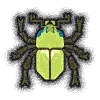
Thunderbug |
Insects capable of discharging small amounts of electricity. They are drawn to electrical sources, particularly the fulgurite formed by lightning strikes. |
||||||||||||||||||||||||||||||||||||||||||||||||||||||||||||||||||||||||||||||||||||||||||||||||
|
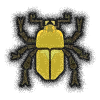
Flashbug |
Insects that emit strong bursts of light in response to external factors. It was long believed that blunt trauma or death were the triggers, but this theory has been rejected. It is now thought that some constituent element of their body fluid vaporizes and produces the flash. In any case, their materials are highly prized for their utility in items like Slinger flash pods. |
||||||||||||||||||||||||||||||||||||||||||||||||||||||||||||||||||||||||||||||||||||||||||||||||
|
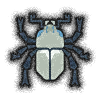
Godbug |
Insects that are claimed by some tomes and oral histories to live for a thousand years. No such specimens have been discovered, but studies of the |
||||||||||||||||||||||||||||||||||||||||||||||||||||||||||||||||||||||||||||||||||||||||||||||||
|
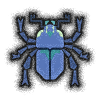
Bitterbug |
Insects whose bitter extracts are used for a wide variety of medicinal purposes. In addition to promoting natural healing, disinfecting, and mitigating poisons, they also boost the efficacy of other medicines, making them highly useful. That said, by themselves they have little effect and taste extremely bitter, so it’s best to consider them an ingredient, not a solution in their own right. |
||||||||||||||||||||||||||||||||||||||||||||||||||||||||||||||||||||||||||||||||||||||||||||||||
|
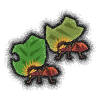
Leaflugger Ant |
Forest ants known for forming ranks and carrying leaves. Their sharp mandibles consist of a sharp edge for cutting and a separate apparatus for bending the leaves back behind their heads for easy carrying. |
||||||||||||||||||||||||||||||||||||||||||||||||||||||||||||||||||||||||||||||||||||||||||||||||

|
Pallbug |
Insects that feed on dead flesh and serve as decomposers in the ecosystem. They use the bristles on their forelegs and joints to sweep organic matter from the carrion. When they’re not feeding on dead monsters, they can usually be found lurking in between rocks or other places the sun doesn’t reach. |
||||||||||||||||||||||||||||||||||||||||||||||||||||||||||||||||||||||||||||||||||||||||||||||||
|
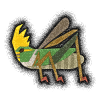
Emperor Hopper |
Huge grasshoppers that have fully earned their name. Their powerful hind legs allow them to jump long distances and escape in a pinch. If you rustle through the grass—their usual hiding spot—you’re bound to see at least one |
||||||||||||||||||||||||||||||||||||||||||||||||||||||||||||||||||||||||||||||||||||||||||||||||
|
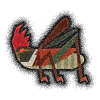
Tyrant Hopper |
A phase mutation of the |
||||||||||||||||||||||||||||||||||||||||||||||||||||||||||||||||||||||||||||||||||||||||||||||||
|
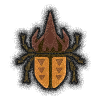
Hercudrome |
Beetles with distinct horns extending from the head and pronotum. They are nocturnal and feed mainly on sap, which you can see if you observe tree trunks at night. The horns are used to compete for this food. They have wings, but their large size and heavy shells limit their flight capability. Since they buzz loudly while flying, you’ll have an easier time finding them if you keep your ears open. |
||||||||||||||||||||||||||||||||||||||||||||||||||||||||||||||||||||||||||||||||||||||||||||||||

|
Gold Hercudrome |
A |
||||||||||||||||||||||||||||||||||||||||||||||||||||||||||||||||||||||||||||||||||||||||||||||||

|
Prism Hercudrome |
A member of the |
||||||||||||||||||||||||||||||||||||||||||||||||||||||||||||||||||||||||||||||||||||||||||||||||

|
Quatreflies |
Flying insects that resemble four-leaf clovers. Resilient to any weather, they can be found day or night in nearly any climate at places where monsters aren’t likely to prowl. Which is a good indicator that an area is safe enough for a Pop-up Camp. |
||||||||||||||||||||||||||||||||||||||||||||||||||||||||||||||||||||||||||||||||||||||||||||||||

|
Myriads |
Butterflies that hatch during the Plenty and pupate near its close. Those that survive the harsh Fallow emerge during the following season of Plenty. They adapt their life cycle to the Scarlet Forest, so if a population hatches early, it may reach adulthood within the same season. They feed a variety of organisms, including insectivorous plants, making them a crucial, non-predatory part of the ecosystem. |
||||||||||||||||||||||||||||||||||||||||||||||||||||||||||||||||||||||||||||||||||||||||||||||||

|
Jewel Scarab |
Brightly colored beetles with impressive shells that fan outward. Each beetle’s coloring and shapes are different—and with their sparkle, it’s no wonder they’re likened to gems. They tend to be diurnal, gathering on the trunks of trees in hopes of getting a nip of sap. |
||||||||||||||||||||||||||||||||||||||||||||||||||||||||||||||||||||||||||||||||||||||||||||||||

|
Regal Jewel Scarab |
The finest of |
||||||||||||||||||||||||||||||||||||||||||||||||||||||||||||||||||||||||||||||||||||||||||||||||

|
Vaporonid |
Master weavers that use webs to ensnare prey. You will often see butterflies and other insects caught in their webs, which is as big as a person and is equipped with an escape route for the |
||||||||||||||||||||||||||||||||||||||||||||||||||||||||||||||||||||||||||||||||||||||||||||||||
|
Omenfly |
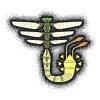
Insects whose bellies glow yellow or red when they detect threats. Their resemblance to fossils seems to suggest that Omenflies have been around for quite a long time. The glowing seems to be a warning to enemies. Since Omenflies stay near the water, it is believed they keep their larvae in the water or in the moist soil nearby. Adults will stay airborne for the majority of their lives. |
||||||||||||||||||||||||||||||||||||||||||||||||||||||||||||||||||||||||||||||||||||||||||||||||

|
Petalfly |
Insects found in areas with ample vegetation such as the heart of the Ruins of Wyveria. Petalflies have poor flight capabilities, but they can still use the wind to get around. The larvae live in water or on moist ground until they mature, while an adult’s short life span is spent reproducing. It has been suggested that the flowery fragrance the Petalflies give off may be a pheromone linked to mating. |
||||||||||||||||||||||||||||||||||||||||||||||||||||||||||||||||||||||||||||||||||||||||||||||||
|
Rime Beetle |
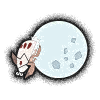
Beetles that gather up snow. Their snowballs can be used as
Where to Find
Other Info
|
||||||||||||||||||||||||||||||||||||||||||||||||||||||||||||||||||||||||||||||||||||||||||||||||


