
A quality soulslike that’s at its best when it comes out of its shell

Pros
- + A solid take on the soulslike formula
- + Good ideas when it branches out
- + Pacy, rewarding combat
- + Meaningful customization
- + A shotgun!
Cons
- - Can feel over familiar
- - Navigation can be confusing
- - Occasionally lacks polish
- - Doesn't quite reach its full potential
The question of what it is, exactly, that makes a soulslike is an oddly contentious one. The debate has quietly rumbled on in small pockets of the internet since the term was coined, with heated debates a slightly baffling but common occurrence.
It is, I think, an easy question to answer if you don’t get hung up on the details: there is no single defining element that makes a soulslike. But if a game shares enough of the Souls series’ DNA that the term becomes useful shorthand to describe the experience of playing it, well, that’s a soulslike. Simple.
In Mortal Shell 2, currency known as “Gloom” is dropped upon death and lost if not retrieved. Beacons provide a place to rest at the cost of respawning nearby enemies. Bosses with ludicrous names and preposterous health bars school you if you’re underprepared. A cackling cohort of eccentric NPCs doles out scraps of cryptic lore. Chain-operated elevators activate with a button at their center, depressing it with a satisfying clunk. The list goes on. This is a soulslike through and through.
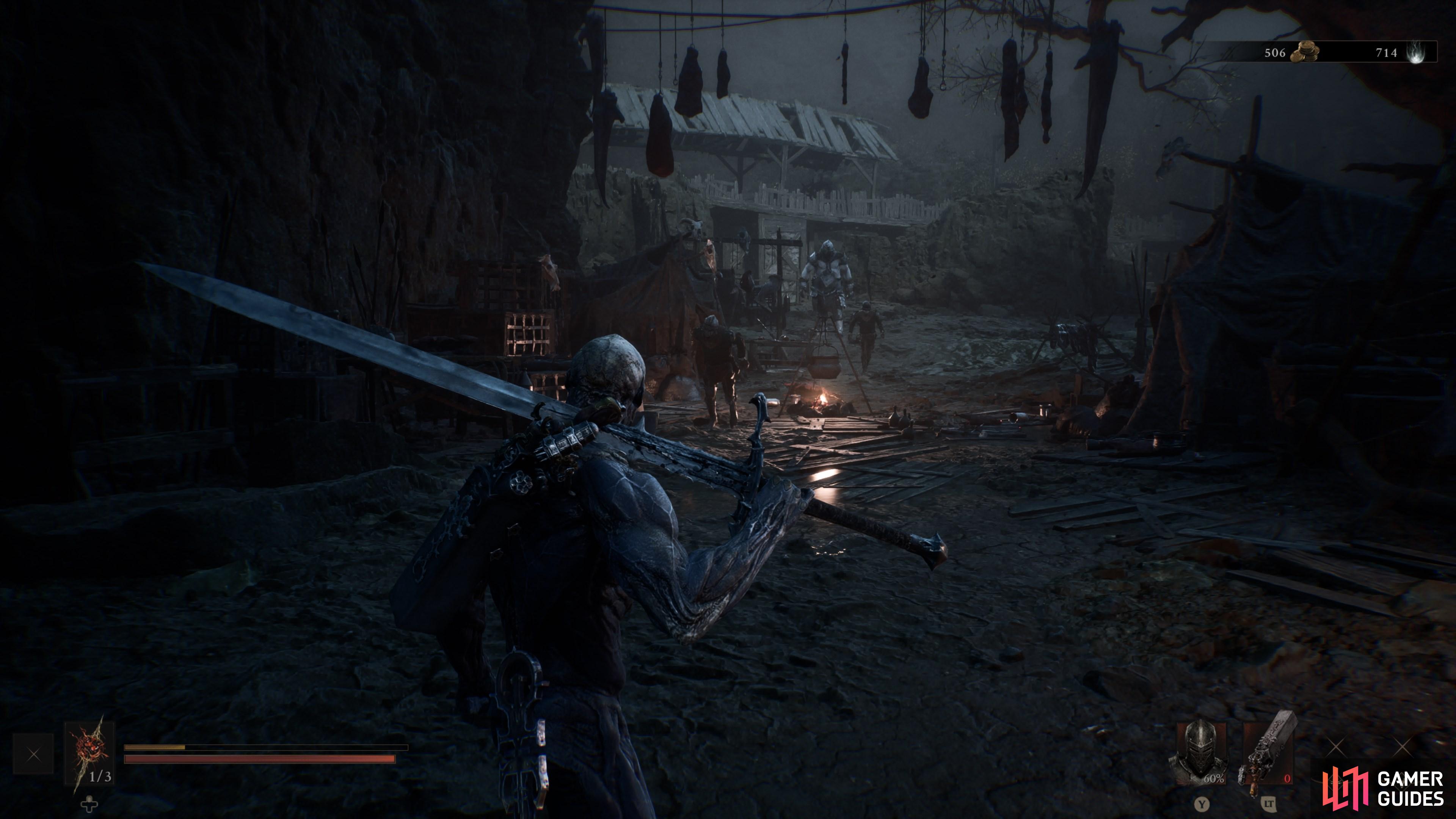
Whatever you have on your soulslike bingo card, you’ll soon have a full house here.
Soul Searching
The question of what makes a good soulslike is harder to answer. If the label is applied based on how closely a game resembles FromSoftware’s classic series, then should we also measure quality by that same standard? When the yardstick is Dark Souls, arguably the greatest game ever made, how close must a pretender come to be considered good, let alone great?
Comparing Mortal Shell 2 to its direct predecessor is a simpler task. In many ways, this is classic sequel-making: bigger and better in every way. The first Mortal Shell was an ambitious game that arguably overreached, but its clear budget constraints created a sparse atmosphere that contributed to its unsettling vibe. It had a persistent strangeness that has remained lodged in a small corner of my brain ever since.
Mortal Shell 2 takes place in the same world, Fallgrim, but no familiarity with the original is required. Your player character awakens in the aftermath of a cataclysmic event: an enormous celestial entity known as the Undermether has crashed from the skies. The godlike creature’s massive corpse has been plundered, its eggs stolen, and a corruption has begun spreading throughout the land.
You have a clear goal: find the Ova, along with a few points of interest marked on your map. But how you go about your tasks, and in what order, is up to you.
A Blank Canvas
Naturally, the eggs, or “Ova,” have been snatched by the world’s most powerful monsters and stashed in the deepest recesses of Fallgrim’s darkest dungeons. It’s up to the Harbinger, your player character and sole living child of the Undermether, to bring them back. There’s no character creator; instead, you’re quickly introduced to the titular mechanic and signature series gimmick. The Harbinger is a deliberately blank canvas but has the unique ability to inhabit the Shells of fallen warriors scattered around the world, adopting their appearance and fighting styles.
Most players will first encounter Tiel, a thief who can slip into shadow, allowing for a stealthy retreat or a deadly sneak attack. Or Proxima, an armor-clad tank with a lightning-charged grappling hook. There are eight Shells to find, and discovering their abilities and how best to leverage them is one of Mortal Shell 2’s core pleasures. Shells can be freely switched at Beacons, and skill trees respecced at will, but increasing your Bond to unlock a Shell’s full potential requires a finite resource, and you’ll never have enough skill points to fill out the whole tree. The scarcity makes for meaningful decision-making, and you’ll want to wring the most out of your Shell before taking it out for a spin in the open world.
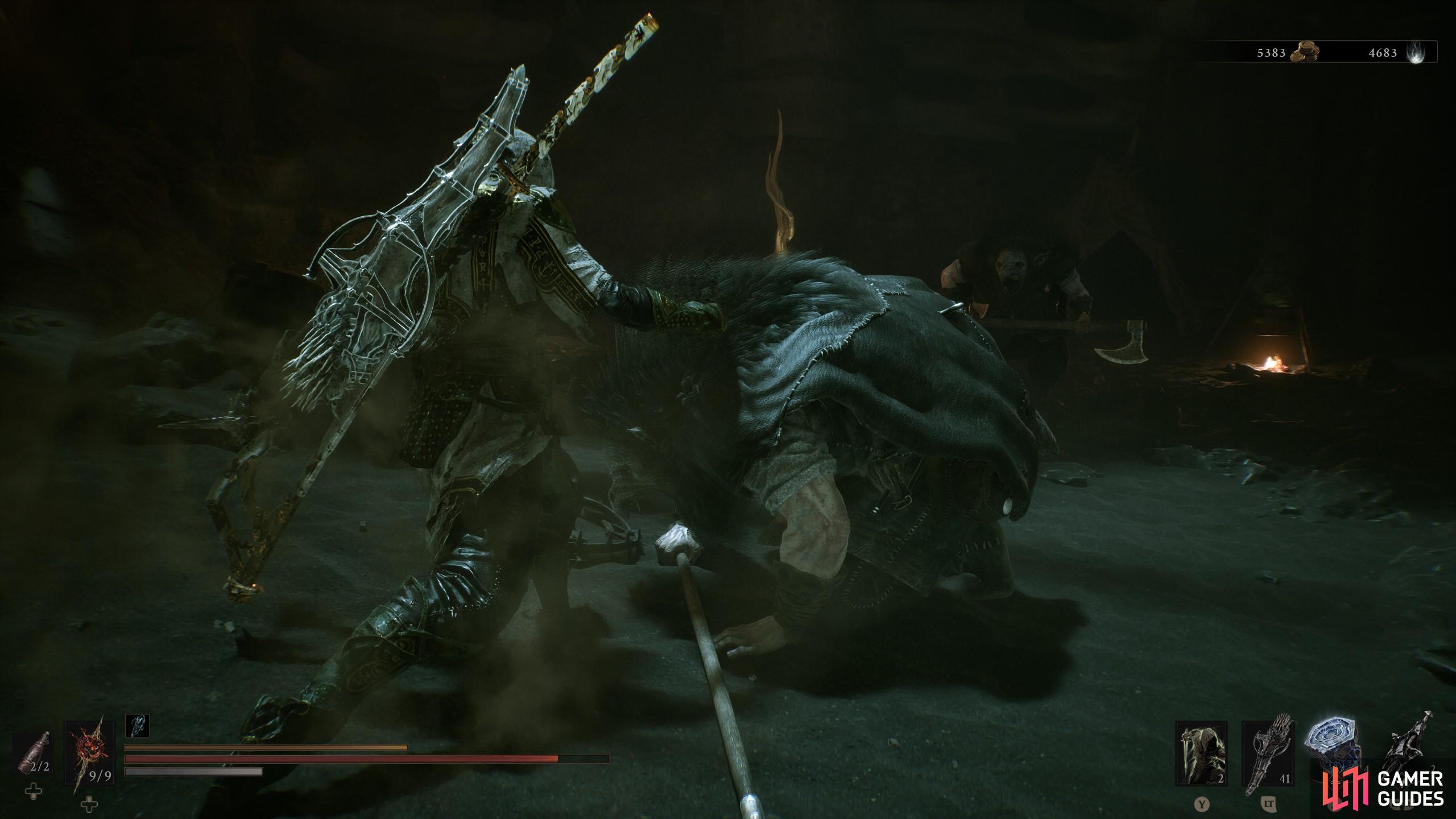
Shells are equivalent to classes and offer distinctly different playstyles.
Unguided Exploration
You’ll venture out from a hub area, Marrow Keep, home to a bunch of helpful weirdos who will upgrade your gear, sell you things, and, curiously, wash your feet. The internet has a lot to answer for.
The guardrails are lifted quickly, and exploration is impressively freeform. You have a clear goal: find the Ova, along with a few points of interest marked on your map. But how you go about your tasks, and in what order, is up to you. Early-game exploration is driven by a process of elimination, as you feel out the edges of the playspace and learn its rules. A map is of limited help initially and requires finding “Map Fragments” to clear the fog, making your first foray into most regions a journey into the unknown. Mortal Shell 2’s open world is dense with geometry. There are no sweeping plains or rolling fields; instead, compact, knotty landmasses form interconnected regions linked by bridges, narrow paths, and jump gates that zip you around, making it a little unintuitive to navigate the world by eye.
The overworld doesn’t quite have the meticulous painterly composition of Elden Ring’s Limgrave, which elegantly draws you around the map with landmarks and sightlines. Nor the dense, vertical sprawl of Dark Souls’ Lordran, with its legendary looping shortcuts. It doesn’t hit the heights of either but offers a respectable facsimile of both. The map is also stuffed with things to find: chests, minibosses, weapons and equipment, new Shells, and mysteries to pique your curiosity. Hidden doorways, environmental puzzles, cryptic riddles, and mysterious artifacts; the world doesn’t spell out its secrets easily and rewards observant explorers.
Scores of micro-dungeons litter the map, offering self-contained dungeon crawls, and Beacons, too, can be “cleansed” by delving into their interiors. Each dungeon is handcrafted, with unique mechanics and challenges to overcome. Their often bite-sized nature allows the designers to freestyle, and little sparks of creative design can be found throughout. There is some visual repetition, but a lot of bespoke content, and the gameplay variety is impressive.
There’s a sci-fi, brutalist edge to some of the environmental design, while elsewhere the gothic, body-horror-infused grotesquerie of its characters bleeds into the levels themselves.
Familiar Sights
On the downside, environments initially struggle to carve out an identity of their own. The crumbling stone ruins, bleak cliffs, torchlit caves, and crooked forests of the early areas are beautifully rendered but a little over-familiar. But! There are weirder, more wonderful sights lurking in the far-flung corners of the world. Six Gate dungeons at the world’s edges showcase the game’s level design at its best and its art design at its most creative. There’s nothing approaching the environmental hostility of Dark Souls’ Blighttown or the smirking trolling of Sen’s Fortress, but it’s in these spaces that the game’s personality shines through strongest.
There’s a sci-fi, brutalist edge to some of the environmental design, while elsewhere the gothic, body-horror-infused grotesquerie of its characters bleeds into the levels themselves. The towering monolithic structures and sheer surfaces of The Faded Citadel create an imposing, otherworldly atmosphere of impossible scale. The craggy, sun-bleached Sanguine Caverns are made all the more unsettling by the enormous teeth protruding from the rocks. There’s a touch of H.R. Giger in the blending of biological and geological elements, and the melding of that aesthetic with a more traditional dark-fantasy sensibility lends the game real character when it leans into it.
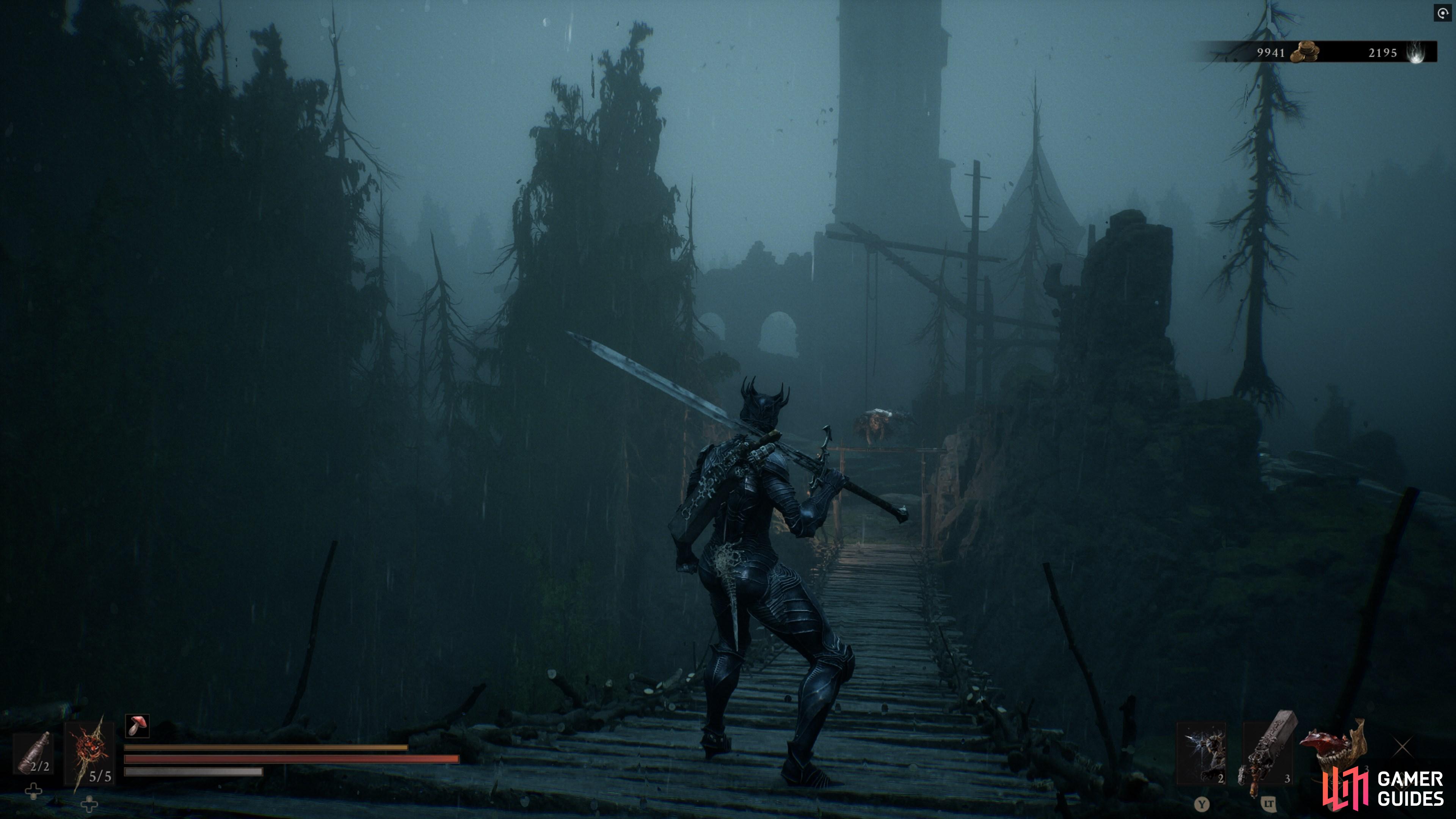
Mortal Shell 2 is a beautiful game throughout,
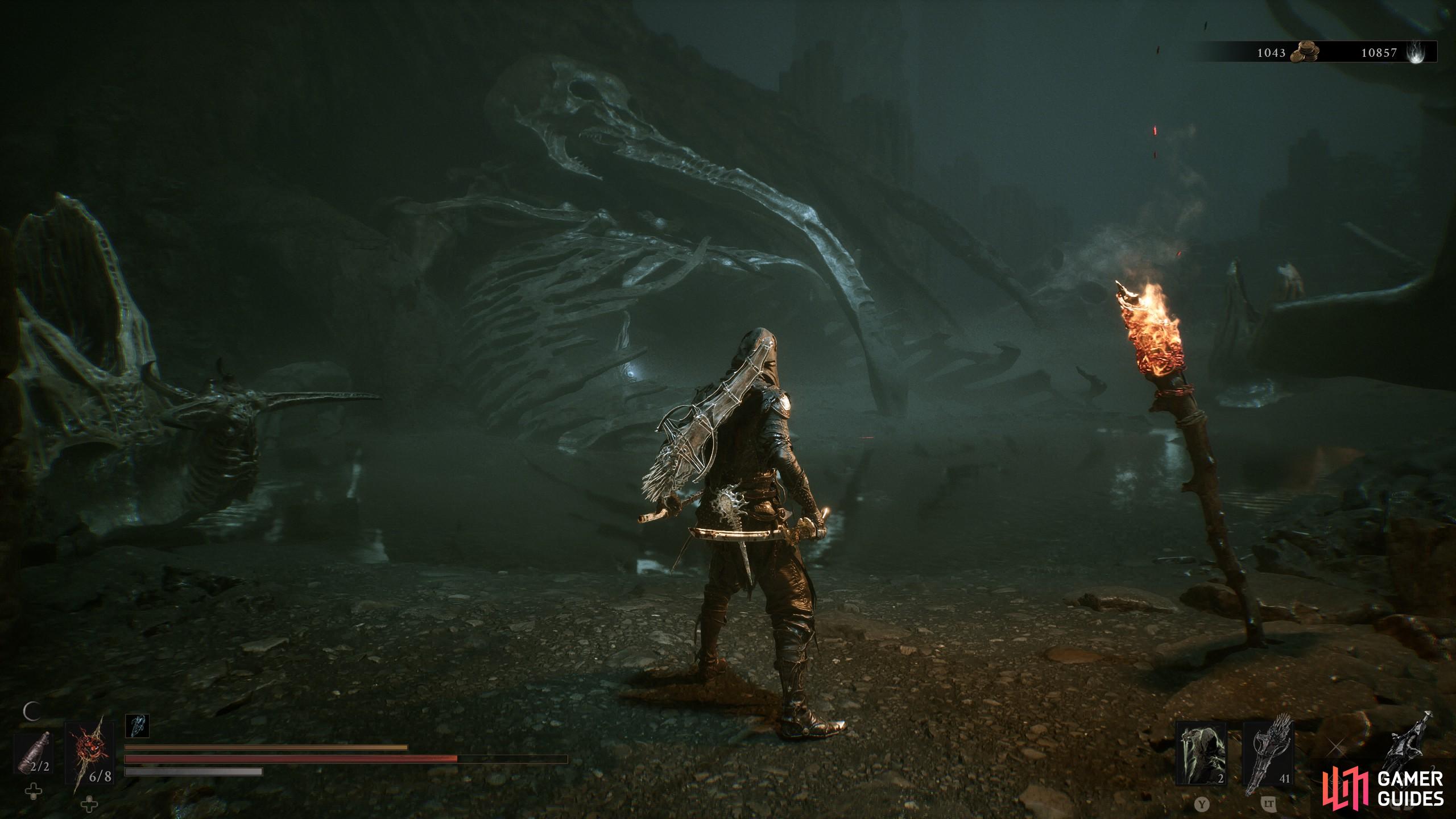
but it’s at its best when it leans into unsettling imagery.
I Call Shotgun
Mortal Shell 2 is not only a more interesting-looking game the further it strays from the genre’s key texts, but also a more exciting game to play. Combat uses the Souls formula as a base and delivers on it well, but diverges in some key ways. To begin with, there’s no stamina bar, which encourages active playstyles. Success is down to careful timing, controlling space, and managing Resolve: a resource charged by landing melee attacks and spent on unleashing Shell abilities or, better yet, providing ammo for sidearms. That’s right, five minutes into Mortal Shell 2, it does something unexpected: it gives you a gun. A shotgun, no less. This is extremely good. I shouldn’t have to explain myself.
Bouts become an enjoyable push and pull of getting up close to build Resolve, then pulling back to unleash hell with your sidearm or skill of choice. Carelessness is punished, and the Harbinger is forcibly booted from its Shell when your health bar is drained. Control can be regained, but if you’re defeated while in this form, it’s lights out: game over.
Equippable Seals dictate one of three blocking styles: a traditional guard that costs Resolve to maintain, a riskier parry, or the returning Hardening ability, which turns your Shell to solid rock mid-combo. Mether’s Pulse, the obligatory Estus stand-in, provides healing, and in a smart touch, there are no consumable items. Instead, herbs, mushrooms, and other common items can be equipped to a single active or passive slot. The more you find, the more powerful their cumulative effect becomes, sidestepping a common issue of pointless item hoarding and unnecessary inventory management, while ensuring even mundane item pickups remain useful throughout.
It doesn’t compare to FromSoft’s signature creative trolling; nothing approaches the audacity of the Anor Londo archers or the panic-inducing jolt of a second Bell Gargoyle.
A Cabinet of Curiosities
Enemy variety also impresses, and the developers have clearly had fun conjuring up this menagerie of freaks and monstrosities. The first enemies you encounter are sorry sacks of meat that explode in a shower of gore under the weight of your greatsword, but they quickly up their game. Frog people, lightning-flinging witches, poison-slinging wizards, golems, gargoyles, cherubs, boulder-lobbing giants, and countless variations on medieval dudes in armor all conspire to make your life difficult.
Some rush you down, others amble menacingly towards you, while ranged enemies pelt you from afar. Encounters do a commendable job of presenting a thoughtful challenge for the most part. It doesn’t compare to FromSoft’s signature creative trolling; nothing approaches the audacity of the Anor Londo archers or the panic-inducing jolt of a second Bell Gargoyle. But varied enemy pairings keep things fresh, and one-off set pieces will often catch you off guard.
Boss fights are similarly varied and numerous. The typical hulking brutes swinging gigantic weapons are present and correct, but others are more novel. A flute-playing shepherd and his dancing flock make an impression early on, and you’ll never guess what Magdalena, the Lady of the Woods, has in store for you mere moments later. Buckle up.
Two things that are always cool: late title cards and shotguns
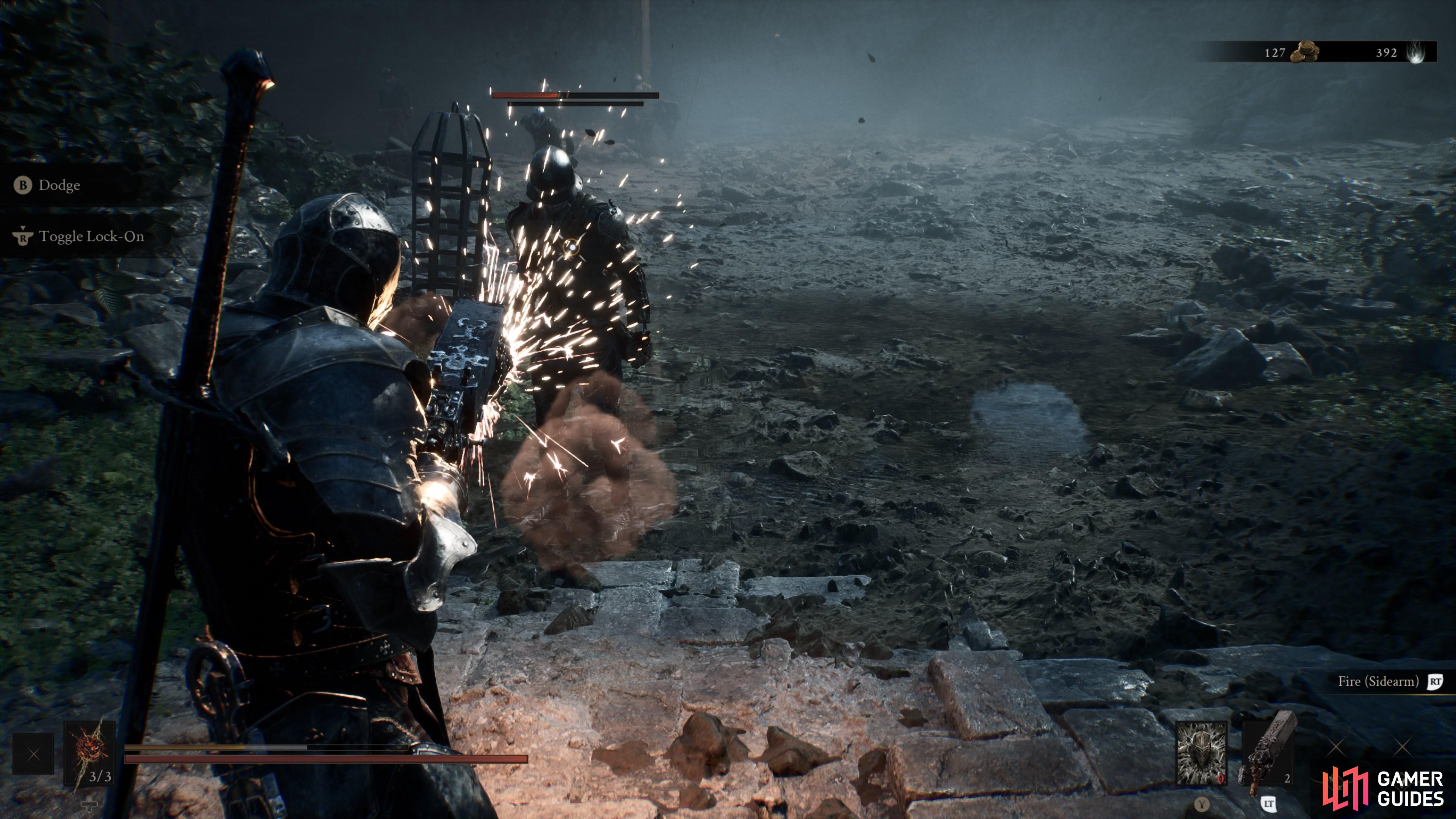
Mortal Shell 2 has both.
A Flexible Challenge
The quality and level of challenge can be inconsistent, and in true soulslike fashion, bosses will present a brick wall to some and a walk in the park to others. You likely already know how you feel about this style of game, and suffice it to say, your tolerance for being repeatedly slapped around by a giant, armor-clad fly named Sir Isaac, the Scholar Prince, will be tested. Your mileage may vary.
Depending on your build, it’s possible to trivialize the difficulty by cleverly stacking buffs and debuffs. The weapon selection is fairly modest, but a huge variety of Tarstones, charm-like accessories with game-changing active and passive effects, can be combined with Shell abilities to devastating effect; a fitting reward for creative build-crafting and those with the nous to spot the synergies.
Difficulty can be further tweaked through certain in-game items that can even the odds or up the ante. An equippable Seal found early on grants overpowered abilities at the expense of disabling achievements, while Night Mode casts the sky a permanent shade of black, strengthens enemies, and offers greater rewards and some exclusive content. Finally, New Game+ is available after clearing the game, for anyone hungry for further challenge after the credits roll.
Ambition Vs Polish
Reaching the end is no mean feat, however. Mortal Shell 2 is a big game from such a modestly sized indie studio. The scale is welcome and gives the mechanics time to breathe, but the ambition comes at the expense of polish at times.
Reuse of assets and reskinning of basic enemy types are worthwhile trades, but budget limitations occasionally surface in less welcome ways. Basic movement can feel like your character is skating across surfaces, dungeon transitions are slightly jarring, and getting stuck in the terrain or slipping on a dodgy collision mesh is just common enough to become an annoyance.
Issues can surface during combat, too, with occasionally wonky hitboxes and animation syncing. It’s never enough to spoil the fun, but even one unfair death can feel like one too many, depending on your patience threshold.
Mortal Shell 2 might not dazzle you if you’ve played the games that inspired it. But it just goes to show how strong the Souls formula is, that it remains so enjoyable throughout.
Something Old, Something New
Mortal Shell 2 might not dazzle you if you’ve played the games that inspired it. But it just goes to show how strong the Souls formula is, that it remains so enjoyable throughout. But how many times can you make and remake even the greatest games before the exercise becomes rote?
Something that gets forgotten, I think, is that the magic of the Souls games wasn’t in the systems and mechanics. The real magic was in their novelty and surprise. The result of a developer zigging when the industry was zagging, creating something fresh and exciting with new lessons to teach us about game design.
Mortal Shell 2 inhabits the shell of Dark Souls well, and there’s a good game at its heart. But there’s a better one to be found at its edges, when it strikes out with that same spirit of rebelliousness and strives for something different. And when that game surfaces, it’s thrilling. When you’re in the depths of its most alien architecture, battling some dark-fantasy, Giger-esque horror in the shell of a masochistic, time-bending pugilist priest, unleashing fists, guns, and blades as the distortion-heavy doom-metal soundtrack kicks in, it’s quite unlike anything else. And man, what a vibe.
A good game with great moments, then. But if there’s a lesson we can learn from Mortal Shell 2, it’s that future soulslikes should have the confidence to break free from the established formula and do their own thing. And always include a shotgun. There are worse legacies.
Ghost in the Shell
A solid soulslike that does almost everything right. But Mortal Shell 2 is at its best when it strives to be different. More of that, please.
Gameplay:
Sound:
Graphics:
Story:
Value Rating:

No Comments