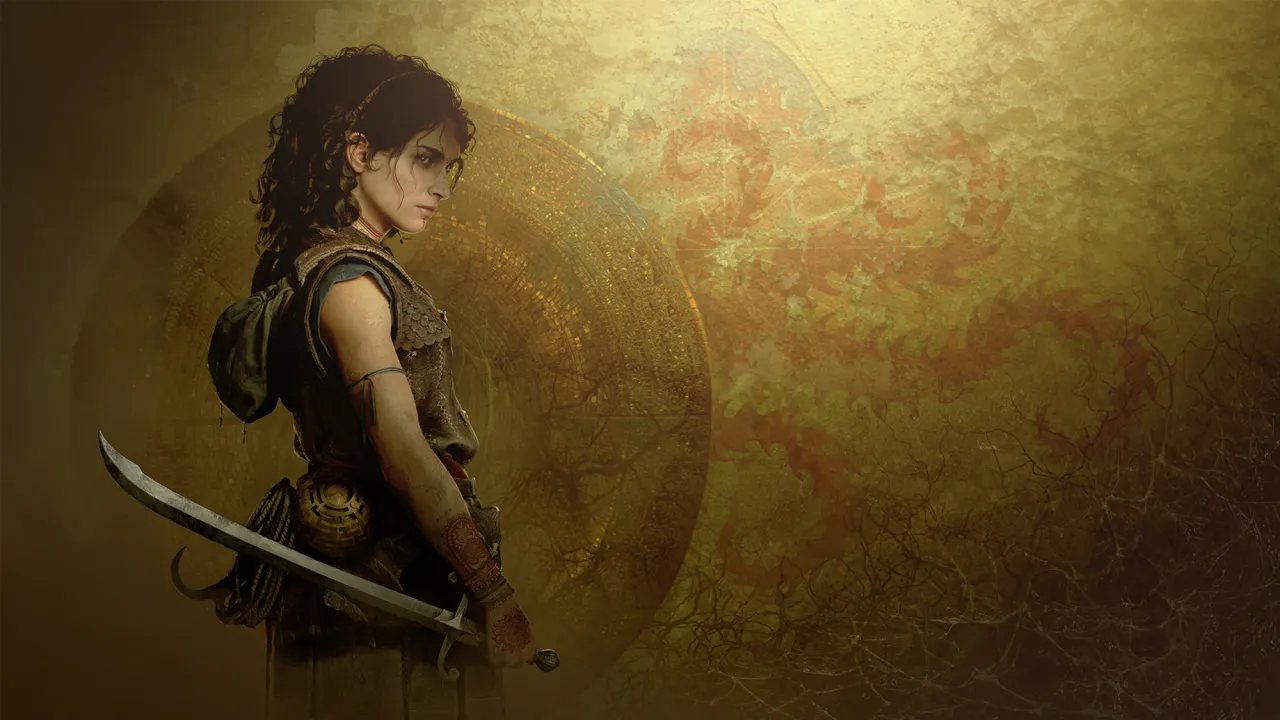
Resonance is an excellent, albeit drastically different departure for A Plague Tale that puts Tomb Raider to shame.
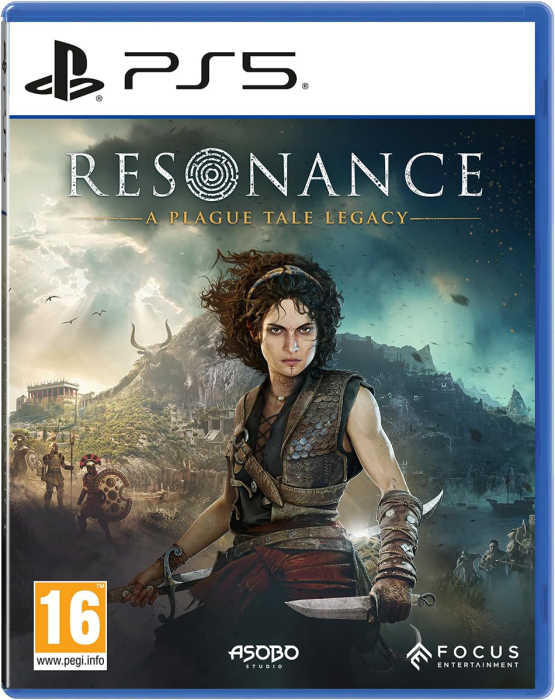


Pros
- Incredible level and environmental design
- Immaculate presentation, graphics, music, and sound
- Riveting exploration and puzzle gameplay
- Terrifying new threat that keeps the spirit of the rats alive
- Satisfying story and secrets to uncover
Cons
- Sluggish pacing early on
- Somewhat basic melee combat
When Resonance: A Plague Tale Legacy was first revealed, I found it hard to get excited. The series is defined by two things: rats and Amicia and Hugo’s relationship. So, a game with neither of those seemed like a bit of a misfire. But after playing through Resonance, I can say I was so very wrong. Asobo Studio has crafted the best game in the series, albeit an extremely different one from the first two.
It has a few bumps early on, but by the end I was amazed at the sheer technical prowess on show, the fascinating new gameplay systems and enemies, and the ability to carve a path forward for the series that expands the lore and worldbuilding of A Plague Tale in new and exciting ways that open up fascinating avenues for the series moving forward.
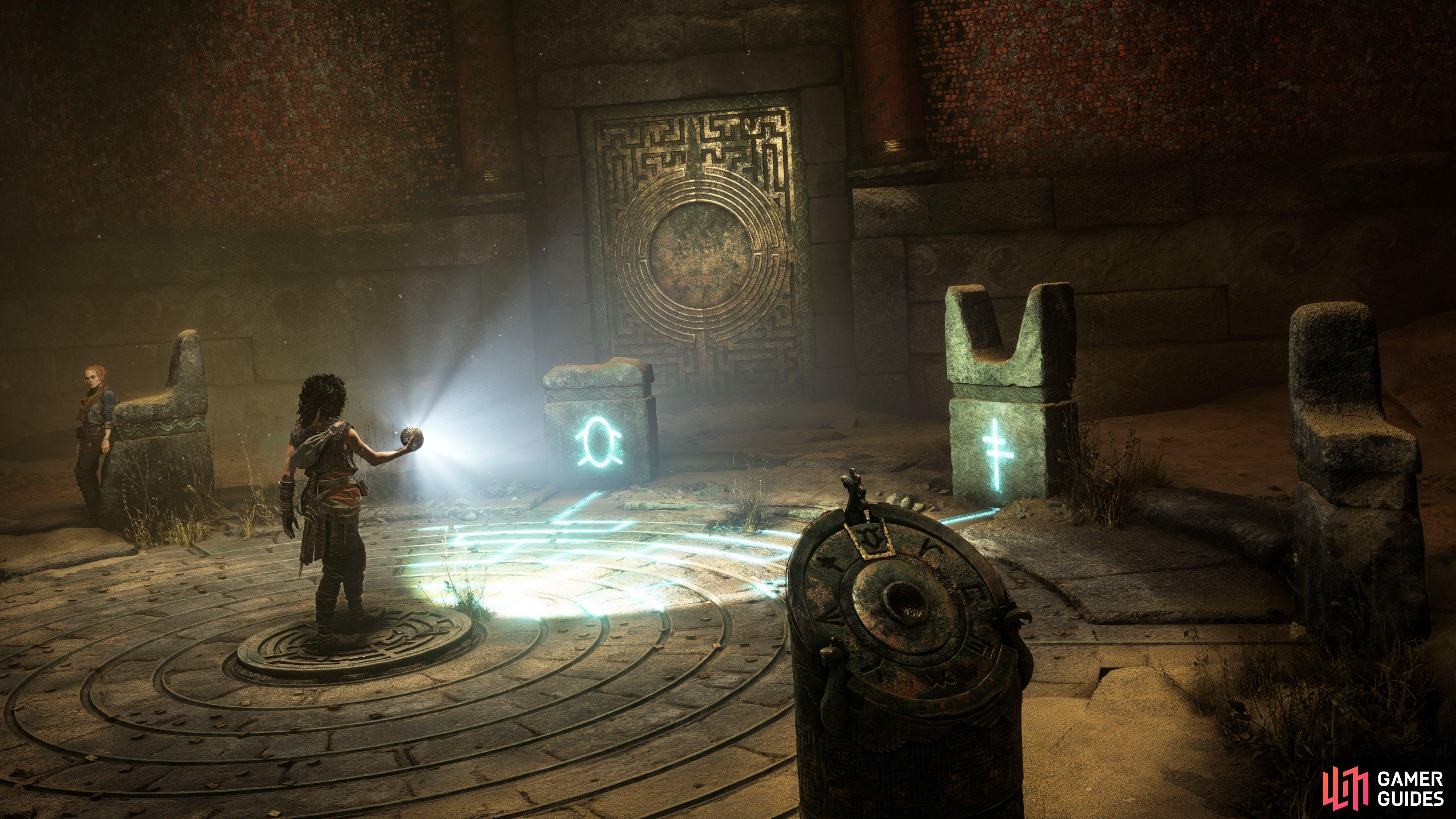
Puzzles and contraptions fill every room underneath the island you are exploring.
Lara would be envious
So, what exactly is Resonance? It’s hard to tell from the trailers and gameplay details on the store page. Well, the easiest way to describe it is a Tomb Raider-esque catacomb exploration game with ancient halls and ruins to explore and engaging puzzles to solve.
Set 15 years before the events of the second game in the series, you play as Sophia before she ever meets Hugo and Amicia. After years of being haunted by voices and visions from her childhood of being experimented on by a convent of nuns. She sets off to Minotaur Island in search of a secret that has been calling to her, hidden beneath its surface. But she isn’t alone in seeking the truth of the island, as former allies, friends, and enemies are also racing to find out just what the tropical island has been hiding.
This creates a story pacing and flow that feels extremely reminiscent of Uncharted and Tomb Raider (which is great as we haven’t got one of these for a while), especially once you pass the extremely slow and poor pacing of the first few hours and actually get to step into the underbelly of the island. Resonance is less of an intimate story and more of a grand adventure through caves and huge unexplored ruins that frankly puts Lara Croft’s recent entries to shame.
Everything is enhanced by some incredible level design and environmental design in these underground areas.
The sheer scale of these areas underneath the island is almost indescribable. Both previous games focused on journeys from point A to B, with the awe coming from the amount of rats on screen. Here in Resonance, the journey is about delving deeper into this one mythical place, seeing remnants of the past preserved and discovering just what happened to the civilization that used to occupy the halls and stadiums you are now exploring.
Everything is enhanced by some incredible level design and environmental design in these underground areas. I am not exaggerating when I say Resonance has some of the best-designed areas of the generation. The way these levels and areas are structured helps evoke the awe and amazement you would get from exploring these remnants of the past. Additionally, as you explore, the game’s puzzles build on top of one another satisfyingly, while never feeling too obscure or tricky to solve.
Resonance is arguably one of the best Tomb Raider games of the last 15 or so years, and I mean that as a huge compliment. I felt more excitement and curiosity with Resonance than I did playing anything from the recent Survivor trilogy.
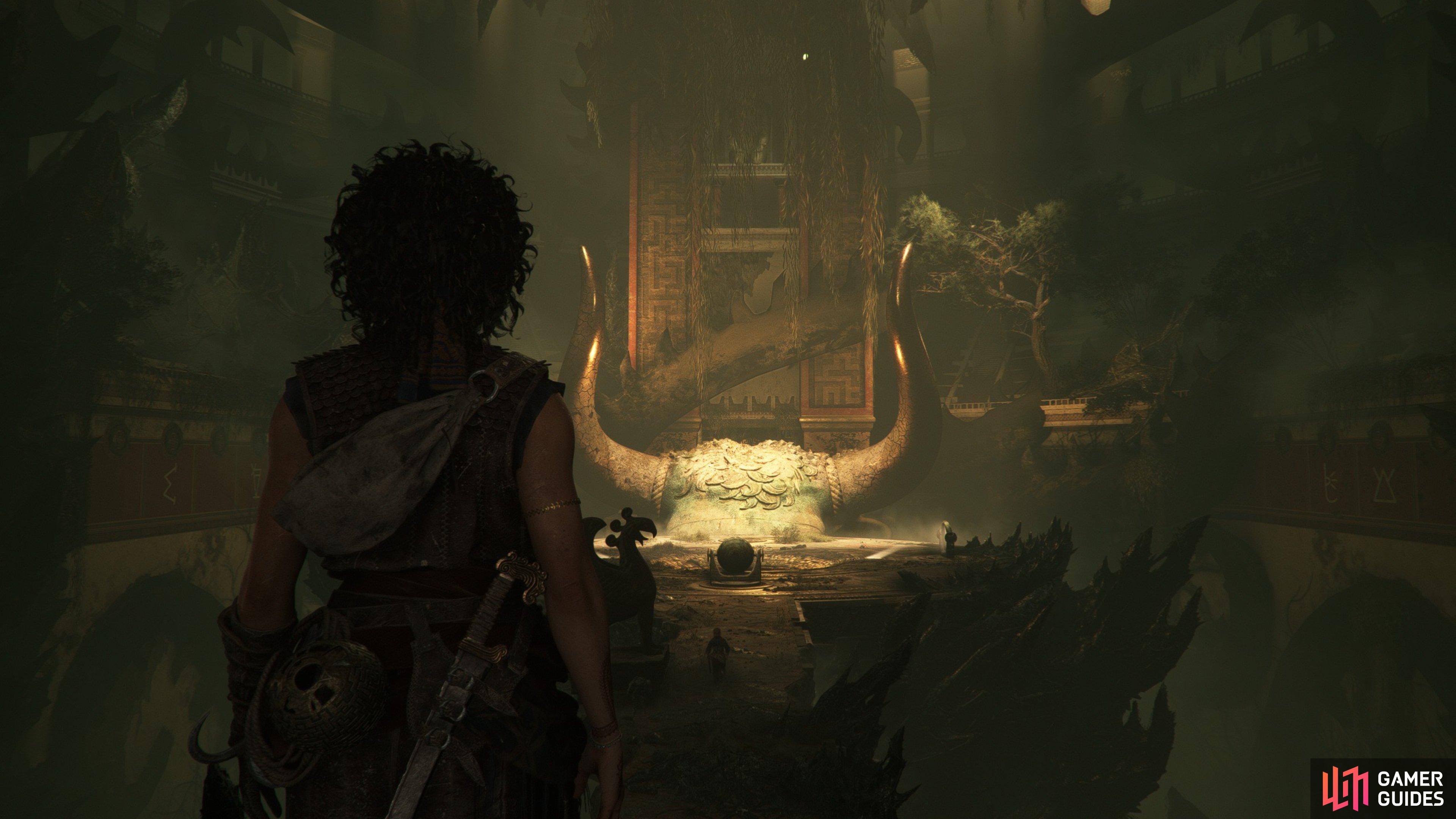
The underground areas in Resonance are incredible and far exceed anything we saw in the first two games when it comes to level design.
Swords and Screams
While Resonance does have some traditional combat, it is the weakest part of the experience. It’s basic and serviceable, but it doesn’t feel particularly great or responsive. Sophia has some basic sword attacks and additional moves, but it has a similar level of polish and depth to Amicia’s sling, and the fact that there are only six skills you can purchase and upgrade should speak for itself.
This combat takes up enough of the first five chapters of the game that I can’t completely ignore its shortcomings, especially given the poor pacing early on. It definitely could have been made slightly more dynamic or removed entirely, as the puzzles, exploration, and the other threats you face on the island are far more fascinating and riveting than the regular soldiers you clash blades with. Although I do like that Sophia can just throw objects at enemies to stun them or kill them. It adds a sense of scrappiness that you would expect from a pirate and plunderer.
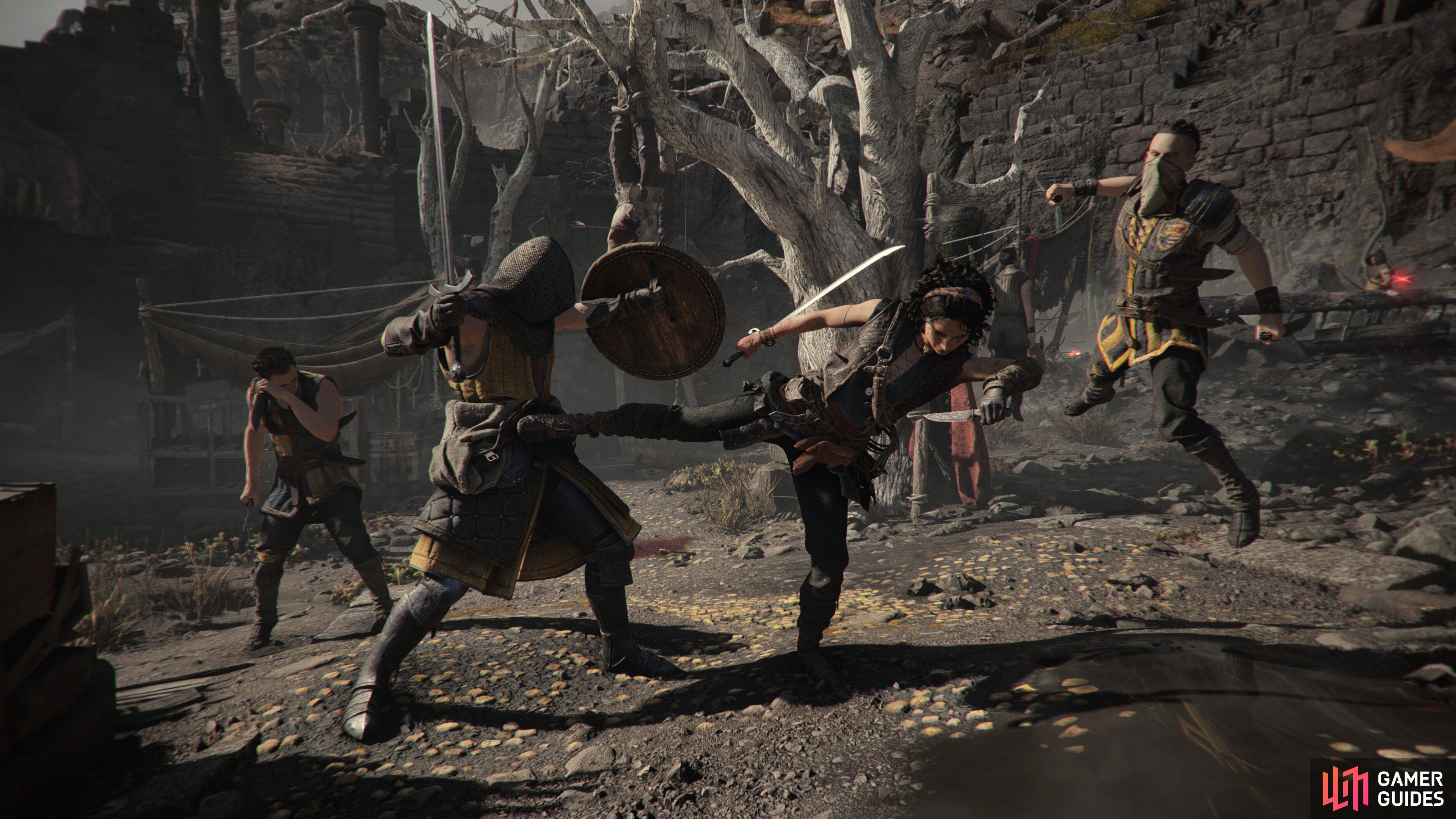
Traditional melee combat is the weakest part of the experience, but it takes a backseat in the second half of the game.
There is some slight evolution to this combat as the game enters its final third, which I thoroughly enjoyed, adding an extra sense of difficulty and forcing you to use your environment and the tools you have gained from your adventures deeper into the island to aid you in fights. I just wish there was more of this early on.
But, in reality, the bigger threat Sophia faces is one that lurks within the walls and halls of the island’s underground. One that you don’t even fully understand. I am going to try to talk about this aspect of Resonance in the most non-spoilery way I can, because I think the less you know, the better.
As you begin to get deeper underground, you start to find black tar-like substances and growth, reminiscent of what you saw towards the end of the first game in the series. People from the civilization, long buried, are frozen in place. The walls of the ancient halls ring as if they are alive, and Sophia begins to leave blue footprints as she walks, as if she is being tracked.
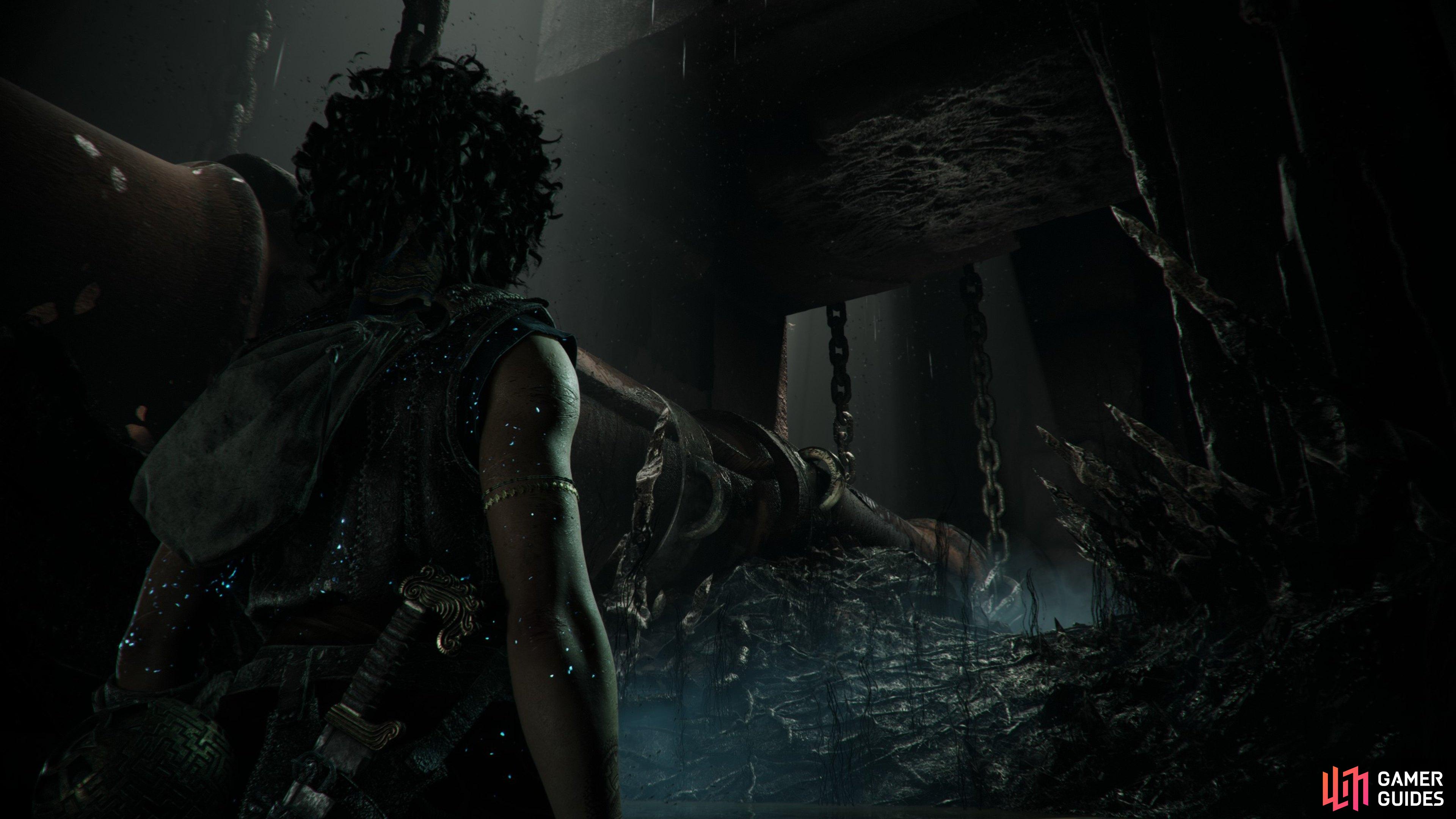
Something stalks Sophia, and the gameplay that is crafted from this new threat is engaging and fresh for the series.
It’s clear something else is here, and before long it emerges as a persistent threat you constantly have to manage and deal with as you explore further. While it isn’t the same as the rats from the first two games, the gameplay built around the rats is recreated here in new ways. You are constantly having to watch your step and use the environment to protect you from threats. Light is once again your friend, and you will find yourself sprinting for beams of light seeping through the cracks of the caves around you to give you some reprieve. And, at times, you will have no option but to run away from this entity as it chases behind you, screaming and snapping at your heels, barely making it to safety.
From the moment this threat emerges, Resonance goes from a fine action-adventure to a gripping and terrifying journey with shades of survival horror thanks to a lot of the sound design, visuals, and effects relating to this entity. It is genuinely terrifying at points, and the sounds it makes are bone-chilling even after you have learned how it behaves and how you can manipulate it to aid you.
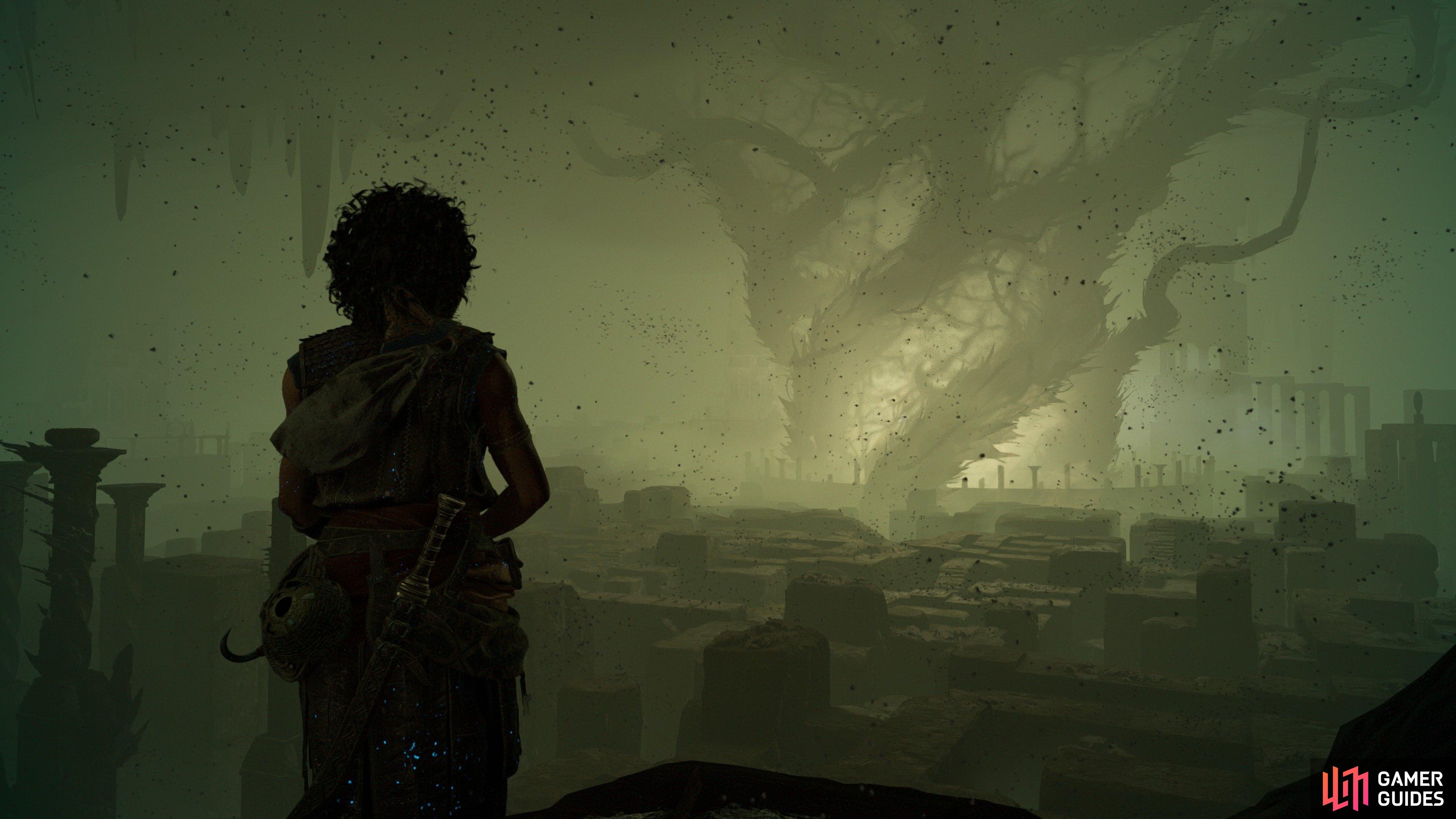
Asobo’s lore and storytelling continue to level up, and this new threat shows a way for the series to expand in the future.
As the game builds and continues, this threat starts being used in more and more engaging ways, mixing it into the exploration, traversal, stealth, combat, and puzzles that add an extra layer of tension that ripples throughout the rest of Sophia’s journey. But the backstory behind this entity leads to a satisfying conclusion that feels like it fits right in with the lore that had been built up in the first two games, opening up new possibilities and ways for Asobo to craft new threats and dangers in future games that don’t just rely on enemies we have seen before.
I don’t think I have seen a game with better-looking underground environments than this.
A Technical Step Up
While the two aspects of gameplay, dealing with the threat on the island and exploration with some puzzles, are great, it would be less impactful if Asobo’s technical prowess and presentation weren’t on full display. Resonance is a gigantic step up in both regards.
When it comes to the game’s graphics, Resonance might be one of the prettiest games of the generation, let alone the year. The environments and detail in every pixel on screen is frankly remarkable, and I took so many screenshots of vistas and huge expanses underground that consistently blew me away.
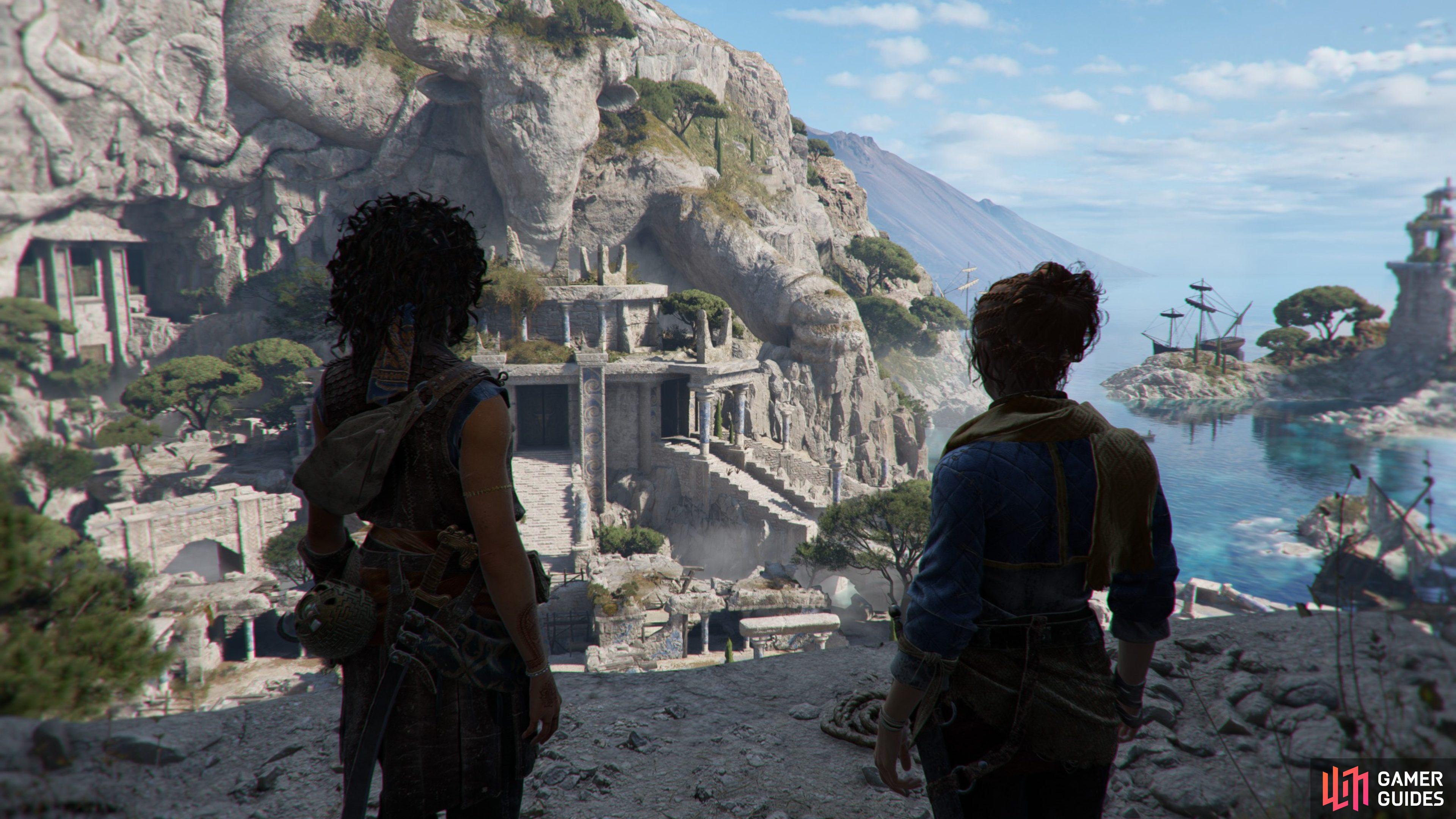
There’s never a moment where Resonance doesn’t look absolutely stunning.
I constantly found myself stopping and just taking in how gorgeous Resonance looked. This goes for the visual effects and environmental design too, which I have already touched on.
Compared to the previous games, which were more contained, the sweeping, huge caverns and gorgeous tropical setting of Minotaur Island consistently blew my socks off, and I don’t think I have seen a game with better-looking underground environments than this.
Additionally, the cinematic gameplay made possible by the entity you are trying to manage is pulse-pounding, and the camera work does a lot of heavy lifting at points, especially during key story sequences that involve flashbacks. Finally, the game’s soundtrack is insane. Not only does every piece of music sound great, but the score feels alive in a similar way to South of Midnight, where it really felt formulaic. Harmonies would bounce and evolve in a way that reminds me of South of Midnight as the gameplay changed dynamically, and the sheer variety of instruments and music styles throughout the experience meant I was never bored listening to Resonance.
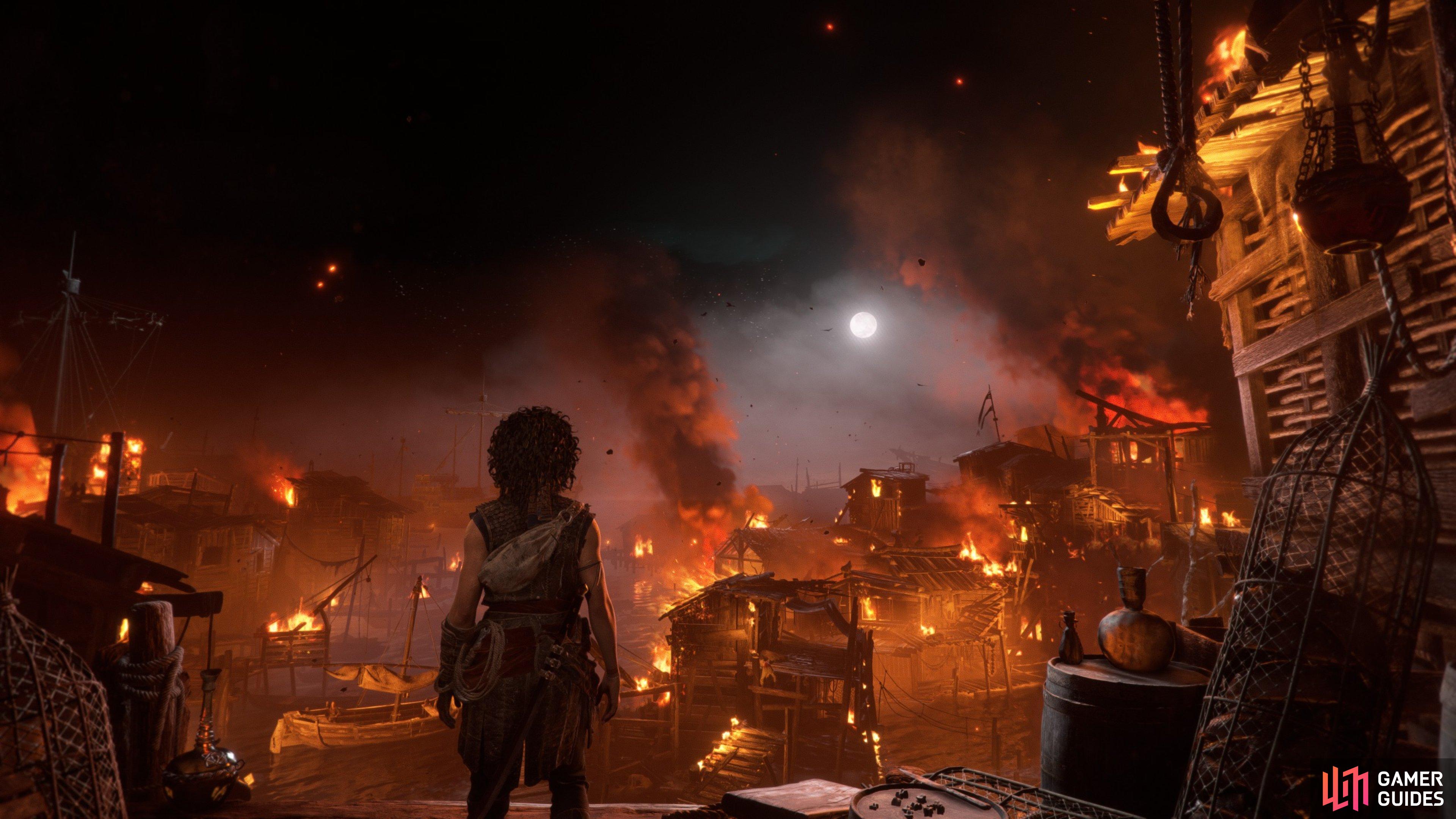
Setpieces, action, and exploration shine thanks to some great level design, visuals, and a spectacle and scale not seen in the first two games.
While it strays from the story that was the heart of the first two games, by the time I hit the credits, Resonance: A Plague Tale Legacy became my favorite of the three. Asobo has really taken a step up here and created a gorgeous action-adventure with some of the best exploration and environments I have seen this generation.
It has managed to expand the lore of the series with a new haunting threat that keeps the spirit of the series alive but allows for more gameplay opportunities and variety that shows the series can expand beyond rats. While it doesn’t have the best melee combat and the pacing is slow to start, by the time I hit the last chapter, those were very small speed bumps in an otherwise incredible and thrilling ride.
I can’t wait to see where the series goes from here.
A Path Forward for the Series
Resonance presents a path forward for the future of the series while enhancing and expanding what can be done with the lore, gameplay, and world Asobo has crafted.
Gameplay:
Sound:
Graphics:
Story:
Value Rating:

No Comments