
A Legendary Remake
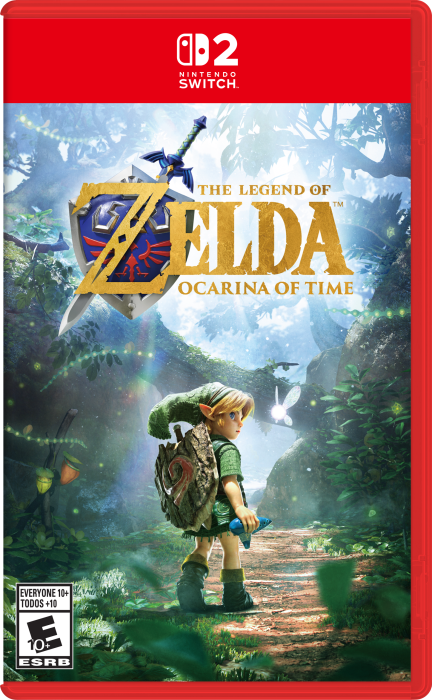


Pros
- + A gorgeous graphical reimagining
- + Amazing renditions of classic songs
- + Faithful to the original
- + Great quality-of-life features
- + Wonderful cutscenes & voice acting
Cons
- - Too much handholding
- - No difficulty features at launch
Like many of my fellow millennials, playing the original Ocarina of Time back in 1998 changed how I saw videogames. No longer did I think of them as fun little ways to kill time, but rather immersive worlds to explore full of mystery and wonder. In fact, Ocarina of Time had such an impact on me that – nearly 30 years later – I often tear up when I hear the iconic music from the Hero of Time’s adventure.
Which made it all the stranger that I wasn’t overly excited for the full-fledged remake of my favorite game of all time. Musing on it for a bit, I realized that it’s not that I didn’t believe Nintendo could deliver – I loved their Star Fox remake – but that nothing could live up to the memories of my original playthroughs, sitting cross-legged in front of the tiny CRT TV in my older brother’s room for hours on end.
I was wrong. The Legend of Zelda: Ocarina of Time for the Nintendo Switch 2 is the best remake I’ve ever played – a legendary one, even.
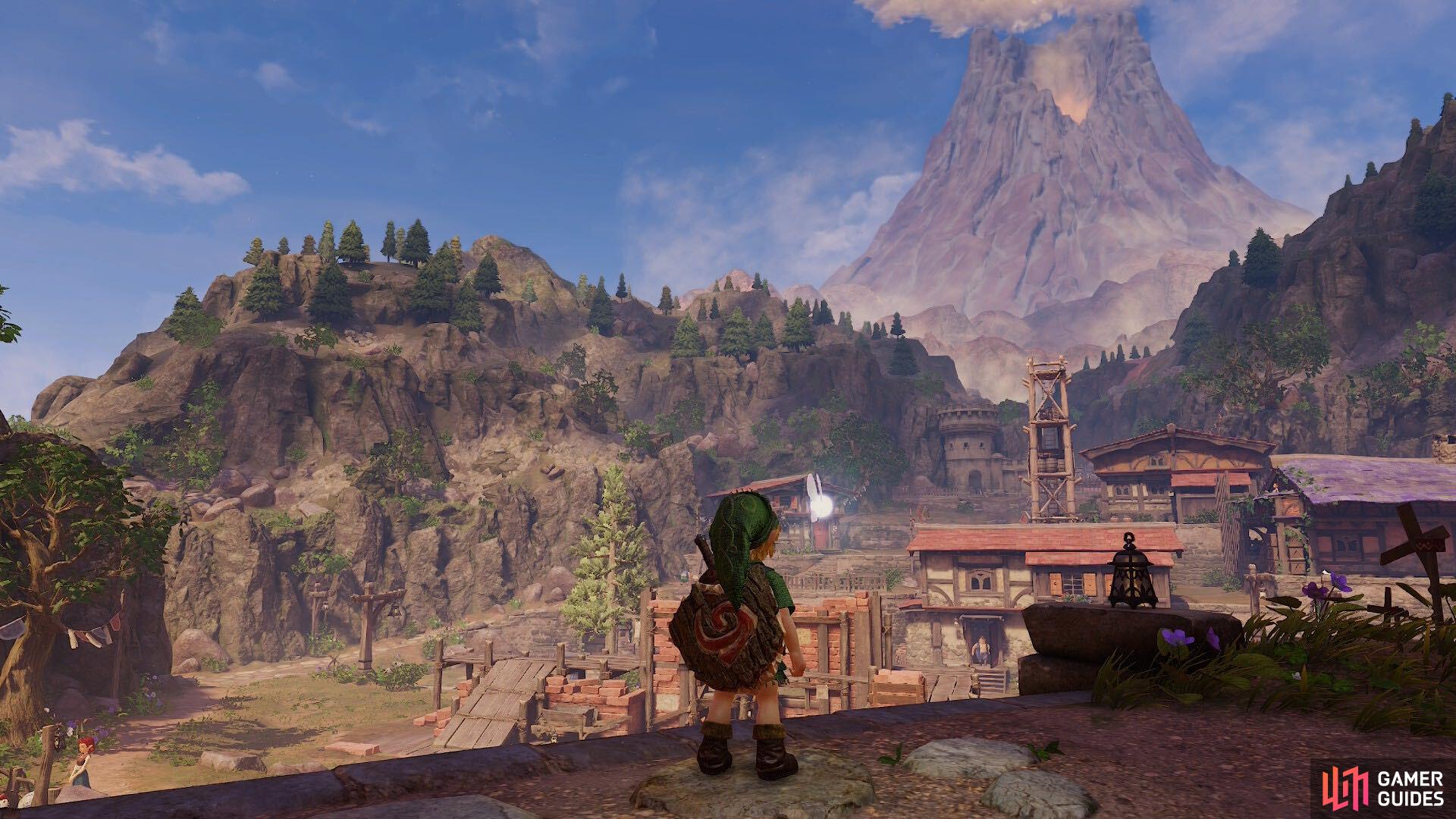
Ocarina of Time (Switch 2) looks stunning in its recreation of Hyrule.
Hyrule Never Looked So Good
Nintendo achieved this feat by doing a stellar job upgrading what needed upgrading while leaving what made the original one of the greatest games of all time alone – for the most part. Foremost – and perhaps most importantly – are the visuals, which take iconic locales and turn them into what my nine-year-old imagination visualized when I played on the Nintendo 64 all those years ago.
From the incredibly lush Kokiri Forest, sparkling waters of Lake Hylia, and shimmering Gerudo Desert, I couldn’t stop myself from staring in awe at how incredible these places now look, yet remain recognizable. It’s not just more textures and rendering them in 4K with lush textures, but rather the art direction. Nearly every frame of Link’s quest to save Hyrule looks like something an artist might paint, so much so that I spent a significant amount of time screenshotting the entrance to Zora’s Domain and the view of Death Mountain from Kakariko Village.
…the remake’s renditions might be my favorite yet, adding layers while maintaining their iconic melodies.
Despite so much time previously spent in this version of Hyrule over decades, at no point did I think “this isn’t what Castle Town should look like” or “the Shadow Temple isn’t spooky enough.” It all felt right, down to the re-designs of characters. Yes, I appreciate even the Gerber Baby-faced Young Link that has gotten some flak online. Together, much of my enjoyment came from seeing how these locales changed and the depth to the new character designs.
Likewise, the music received a perfect glow-up. We’ve heard orchestrated versions of Saria’s Song and rock reimaginings of Gerudo Valley for years now, and while I’m no audiophile, the remake’s renditions might be my favorite yet, adding layers while maintaining their iconic melodies. I honestly can’t wait to listen to them more on the Nintendo Music app.
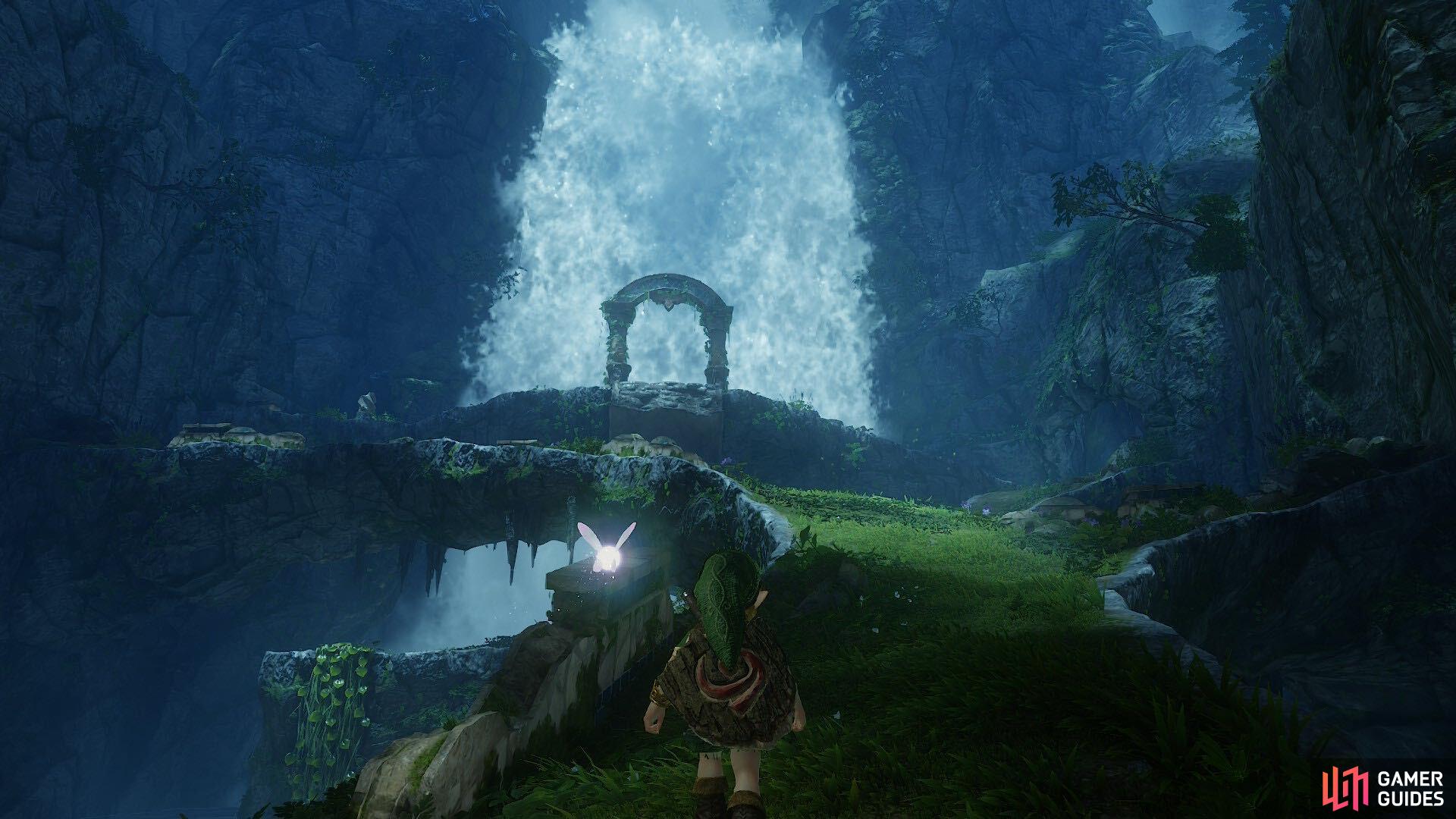
The remake is very faithful to the original.
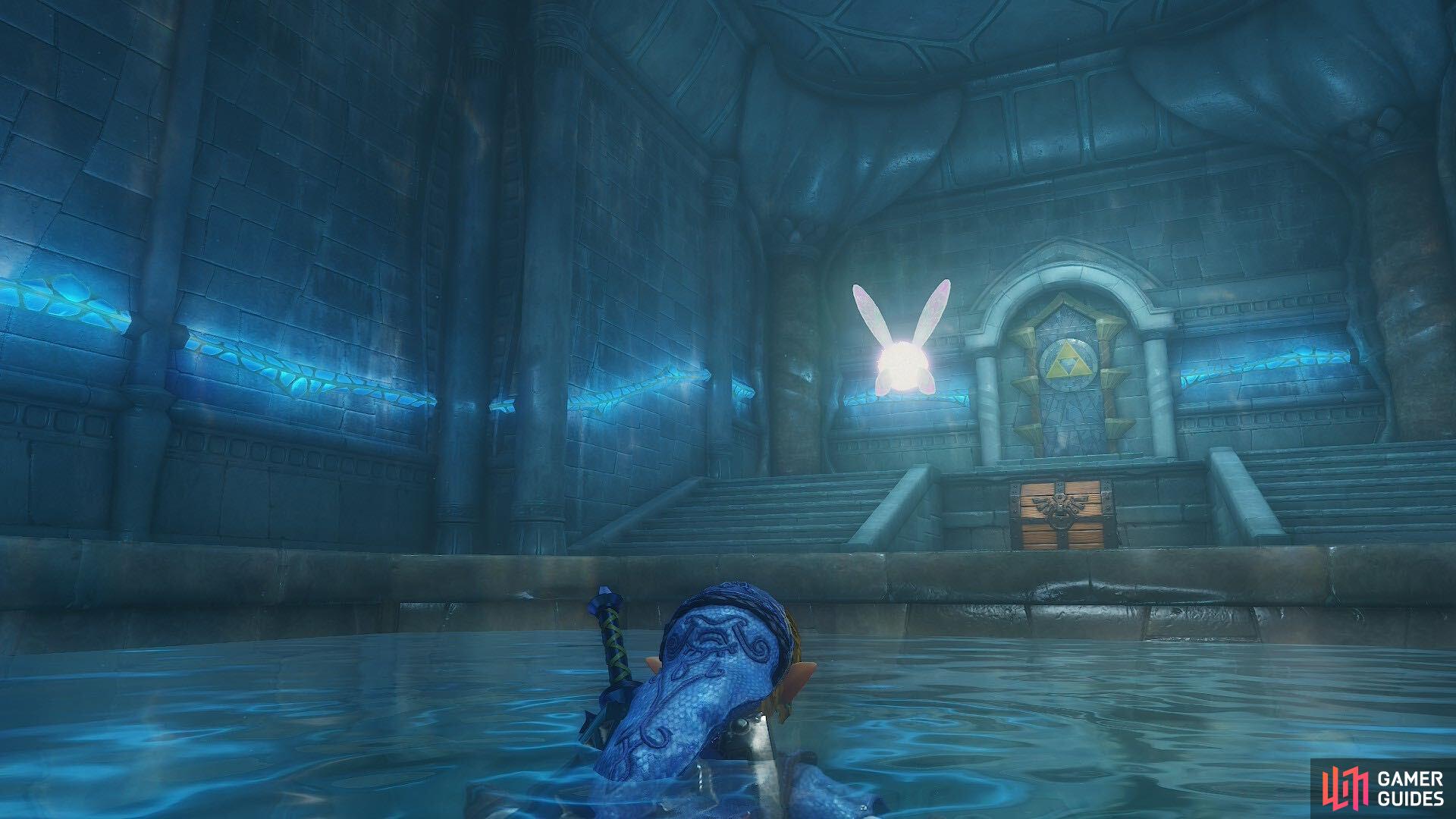
Quality-of-life adjustments make even the dreaded Water Temple easier to navigate.
Higher-Tech Hyrule
But it’s not just the visuals that add more depth to this 28-year-old adventure. Extended cutscenes with voice acting give the villainous Ganondorf more of an ominous presence and grant characters like Navi, Mido, and Darunia more depth.
Quality-of-Life additions like the weapon-swap feature from Breath of the Wild make switching between Deku Nuts and the Slingshot much more fluid than even the Nintendo 3DS remake of the game, which utilized the handheld’s touch screen to switch items. What’s more, a dedicated jump button instead of auto-jumping off ledges grants way more fidelity and control of Link on par with his more recent outings.
My personal favorite new feature is the Pro Mode for the HUD, which removes Link’s Hearts, Magic Meter, and the mini-map from the screen most of the time, which helped me to appreciate the picturesque art direction even more.
Other than that, not much differs gameplay-wise from the original. Most puzzles are solved the same way, the adventure follows the exact same route, and enemies and bosses are taken out with the same strategies, with a few inoffensive tweaks and additions here-and-there, like an indoor section to the Castle Courtyard.
If you’ve never played the original, the Zelda formula is in its truest form here: Link explores eight different dungeons scattered throughout two different timelines of Hyrule, finding an item within – a bow to shoot switches, a hammer to knock away blocks – that help him navigate the dungeon and defeat the boss. In between, he explores what was once considered a vast Hyrule filled with little secrets, quirky characters, and their side quests. It’s simple, nostalgic, and as rock-solid as a Goron.
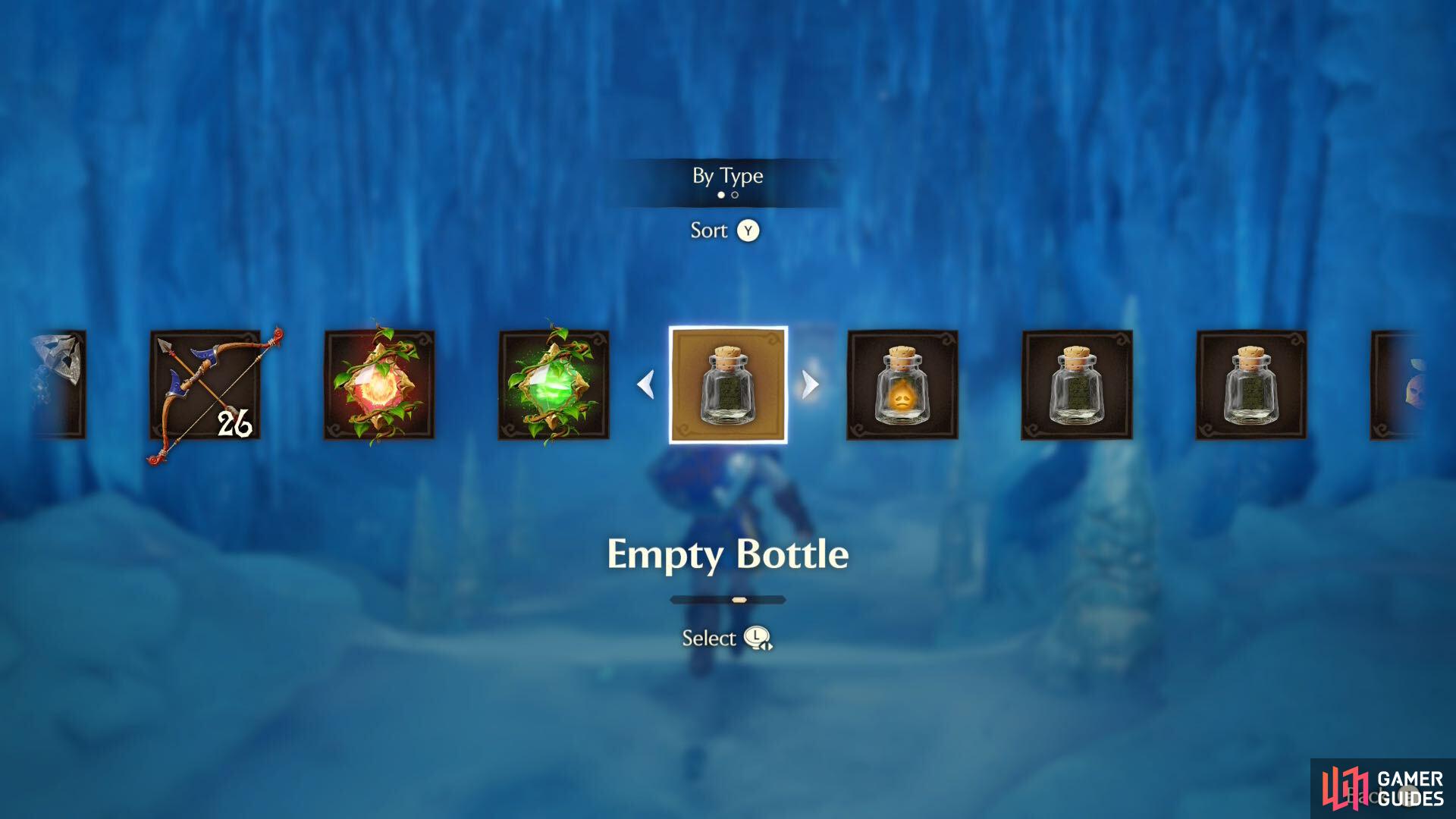
Item switching has never been easier.
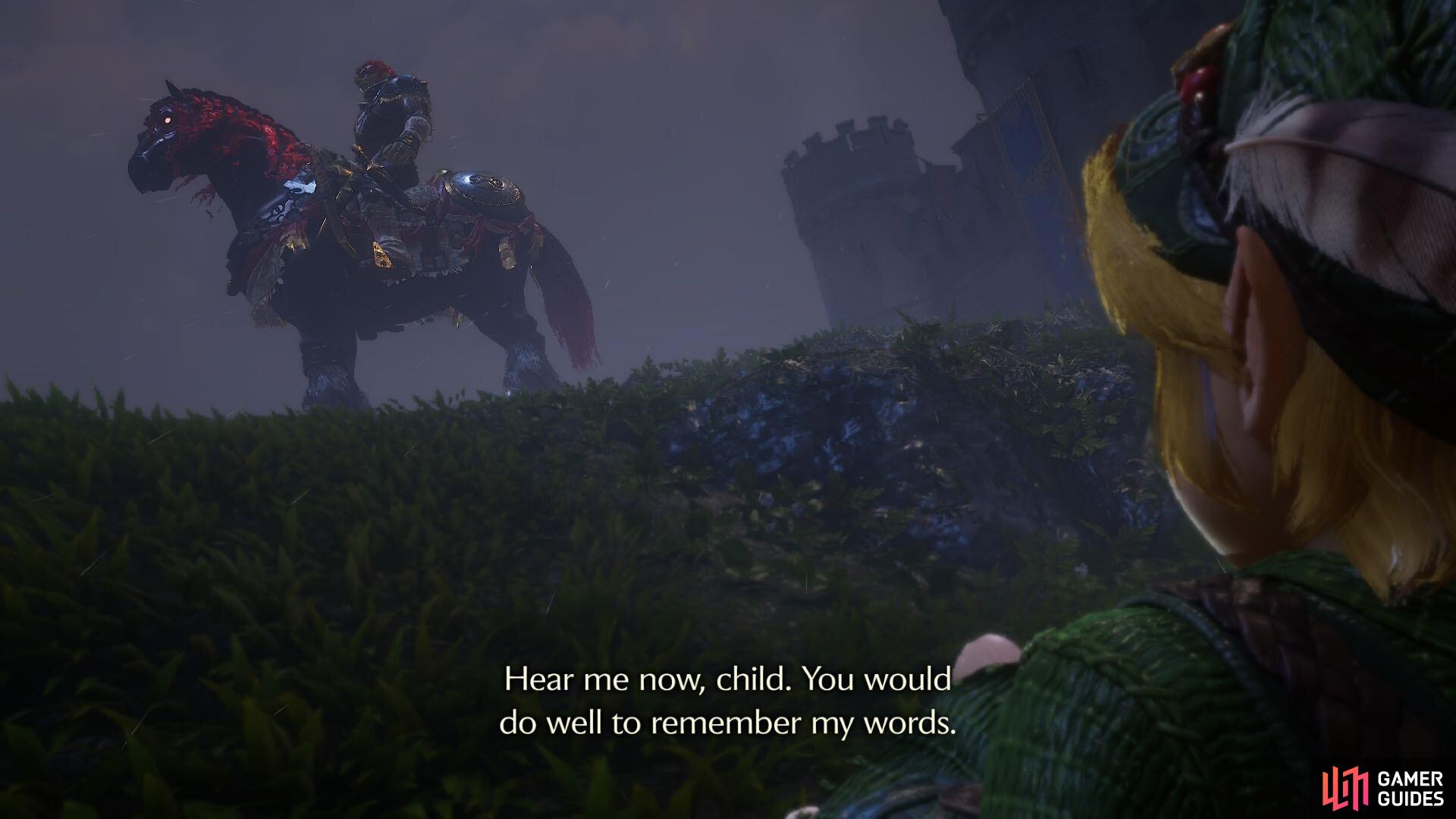
The additional depth to some of the characters help flesh them out more.
Old Man Gripes
Furthermore, after Breath of the Wild and Tears of the Kingdom, this version of Hyrule now feels incredibly dense. They’ve expanded the hunt for Gold Skulltulas in this one but there aren’t hundreds of Koroks to find and vast stretches of land to cover; indeed, I was surprised they didn’t at least spread out Hyrule Field as it feels restrictive now and unnecessary to ride a horse through it.
I couldn’t shake the sense of returning to a childhood home or a place I used to visit when I was younger, only to realize it was much smaller than I remembered. As such, I would’ve liked to see Hyrule Field expanded upon a little bit, but with how faithful this remake is otherwise, I can see why they didn’t go that route.
Instead, they’ve added a new Hall of Fallen Foes that allows for rematches against bosses for new high scores. As of right now, there’s not much to do there, but it does seem like there’s room for DLC to expand upon it in the near future.
Ocarina of Time remains a relatively easy adventure and making it easier was completely unnecessary.
The other major addition here is copious amounts of handholding. In the original, it was often a bit obtuse about where you had to go next. Learning that Darunia needed to hear Saria’s Song to enter Dodongo Cavern, for example, came as a revelation to nine-year-old me. However, in this remake, NPCs have expanded dialogue that spells out exactly what you need to do and when you should do it, sapping a bit of the original adventure’s mystery and sense of discovery.
I would admit this is simply an “old man shakes fist at cloud” moment if not for how little The Legend of Zelda: Echoes of Wisdom and both Tears of the Kingdom and Breath of the Wild didn’t hold your hand. As the Zelda series has evolved, Ocarina of Time remains a relatively easy adventure and making it easier was completely unnecessary.
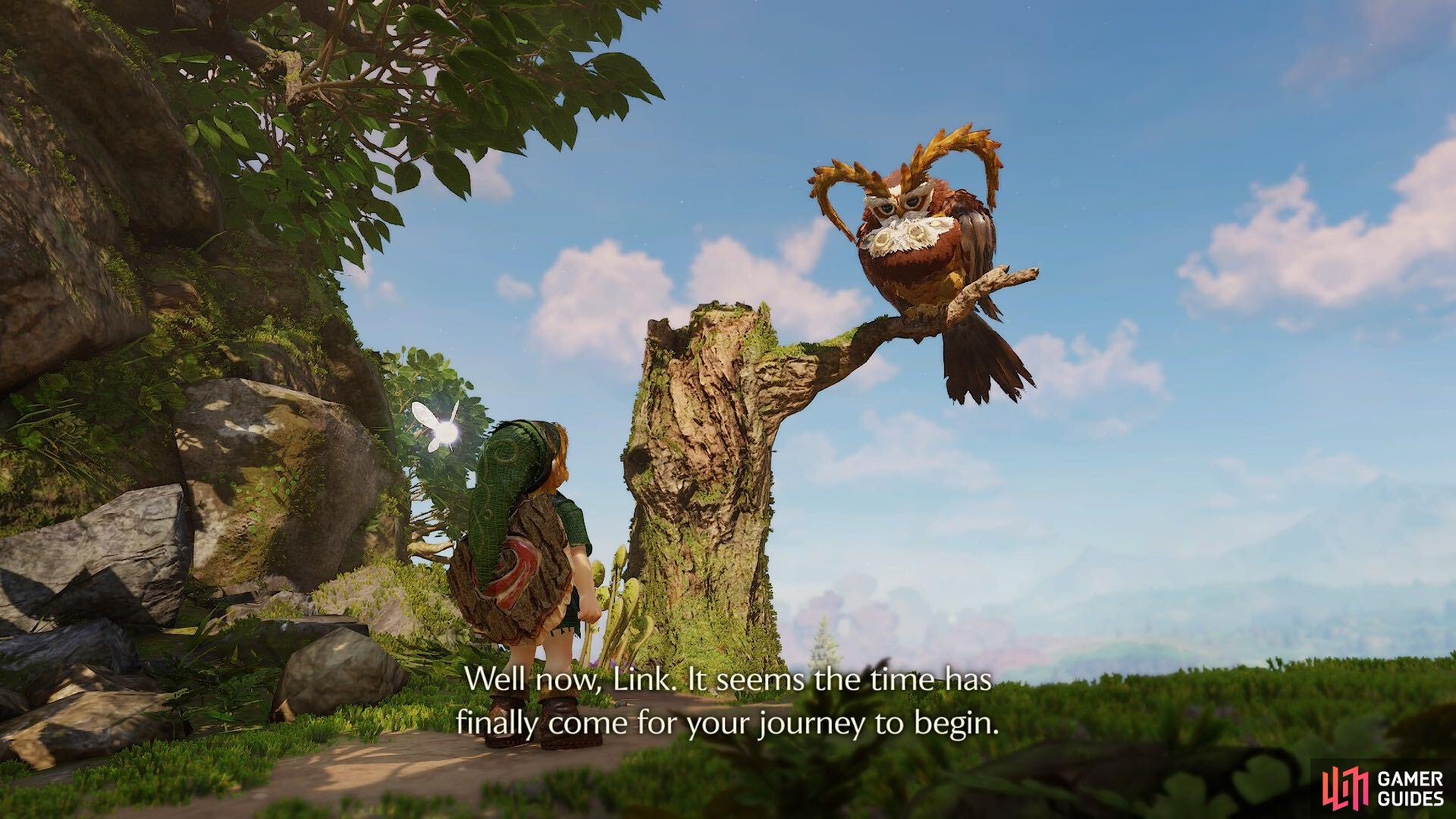
The remake makes it easier to know where you need to go next.
Downloaded Difficulty?
Which leads me to my final complaint: a lack of a Master Quest or other difficulty features for people like me that have played through the original a dozen times. The Nintendo 3DS Remake of Ocarina of Time had Master Quest – which remixed the dungeons – unlocked after clearing the game once, where other Zelda titles like Echoes of Wisdom released with Hero Mode available, increasing damage taken. Ocarina of Time desperately needed something like this and – if the rumors are true – it’s coming, but disappointingly as DLC.
I’m having a hard time thinking of a better, more faithful remake in the history of videogames.
Still, I’m having a hard time thinking of a better, more faithful remake in the history of videogames. Ocarina of Time on the Switch 2 turns this version of Hyrule into what my nine-year-old mind imagined that polygonal world looked like way back in 1998 on a CRT TV. It’s both a nostalgic time capsule and a renewal for what I consider the greatest game of all time. As such, I’m once again poised to replay this adventure through Hyrule a dozen more times over the next couple of decades.
Ocarina of Timelessness
This Switch 2 version of The Legend of Zelda: Ocarina of Time is almost as perfect as remakes get. In fact, I can only really cite an abundance of added hand-holding and a lack of difficulty options as negatives – small gripes in light of picturesque locales, a reimagined orchestral score, and faithful upgrades that make arguably the greatest game of all time the most enjoyable it has ever been.
Gameplay:
Sound:
Graphics:
Story:
Value Rating:

No Comments