
Control Resonant Starts Discordant but Finds a Beautiful Harmony


Pros
- No other video game looks quite like this
- Dylan, De Vera, Jesse, and Pope’s human drama is compellingly told amidst a backdrop of the paranatural
- Full of innovative level design, sequences, and some great needle drops
- Once combat starts to flow, it sings…
Cons
- The combat takes a while to get to a good point
- The combat can also be easily exploited once you “solve” it
- Despite having a dedicated “handheld mode” for devices like the Steam Deck and ROG Ally, that experience is far too compromised to recommend
Seven years is a long time. Seven years ago, we were still speculating about the PS5 and the Xbox “Scorpio”/ “Anaconda”. We had no idea how rotten 2020 would be. And you could probably afford a very different class of computer with the same amount of cash saved up. Seven years is both how long we’ve waited for true follow-up to Control, and how long the characters of that game have remained “in lockdown” inside The Oldest House.
It’s fitting, then — that much like the real world — almost everything about Control Resonant feels so different from the original. It’s a bold choice for Remedy, a studio which, despite its general favour among the gaming audiences and critics, has always seemed to sit precariously in the industry as it ping-pongs between partners and publishing deals. All this is made more understandable when you try to remember how much of the first game’s appeal hinged on how fresh and bold it felt.
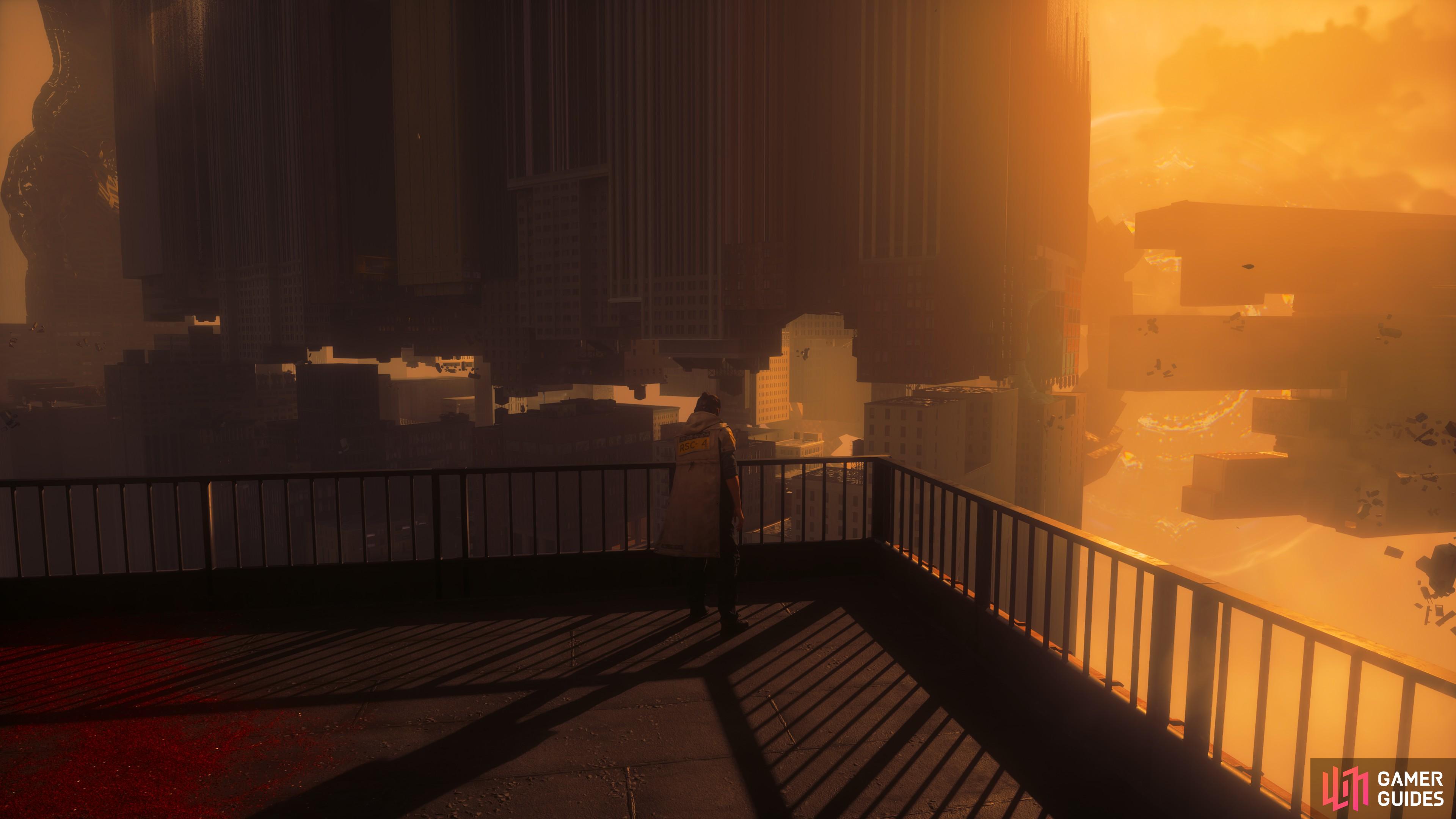
Control Resonant’s world has a beautiful look to it, despite the chaos.
Into the new world
Resonant’s departures from its predecessor are immediate and noticeable. First, the original game’s protagonist, Jesse Faden, is MIA, leaving her previously Hiss-infested brother, Dylan, to track her down after “something” escapes The Oldest House, ending the Federal Bureau of Control’s self-imposed lockdown. This “Patterning” force, which sees every part of the cityscape and even living things duplicated, regurgitated, and meshed into one, quickly begins to warp Manhattan, both homogenising and distorting reality, making copies of copies of copies. All the while, the previous game’s extra-dimensional threat, The Hiss, also roams the streets, seemingly at odds with the resonance.
It takes the form of a stylish action game full of air juggles, no parry, and perfect dodges, all set in a surprisingly open Manhattan.
Jesse was already a pretty damaged and guarded character; Dylan, however, is even more of an outwardly emotional wreck, as he still tries to reconcile his actions seven years ago under the influence of the Hiss, and mourns his lost childhood and adult life at the hands of the FBC. Sean Durie’s portrayal of Dylan is an instant and constant highlight, believably embodying the demeanour of a wounded animal trying to make up for lost time and bad choices. This, paired with the returning Courtney Hope (Jesse) and series newcomer Frankie Kevich (who portrays Dylan’s handler, Agent De Vera), makes up the bones of an impressive core cast.
The gameplay has also shifted massively. While the first game was a paranatural shooter that still demanded Jesse to weave in and out of cover in a 3D Metroidvania-style labyrinth, Resonant is a different beast. It takes the form of a stylish action game full of air juggles, no parry, and perfect dodges, all set in a surprisingly open Manhattan. These two changes are notable because while one is a clear-cut success, the other will likely take you a while to warm up to.
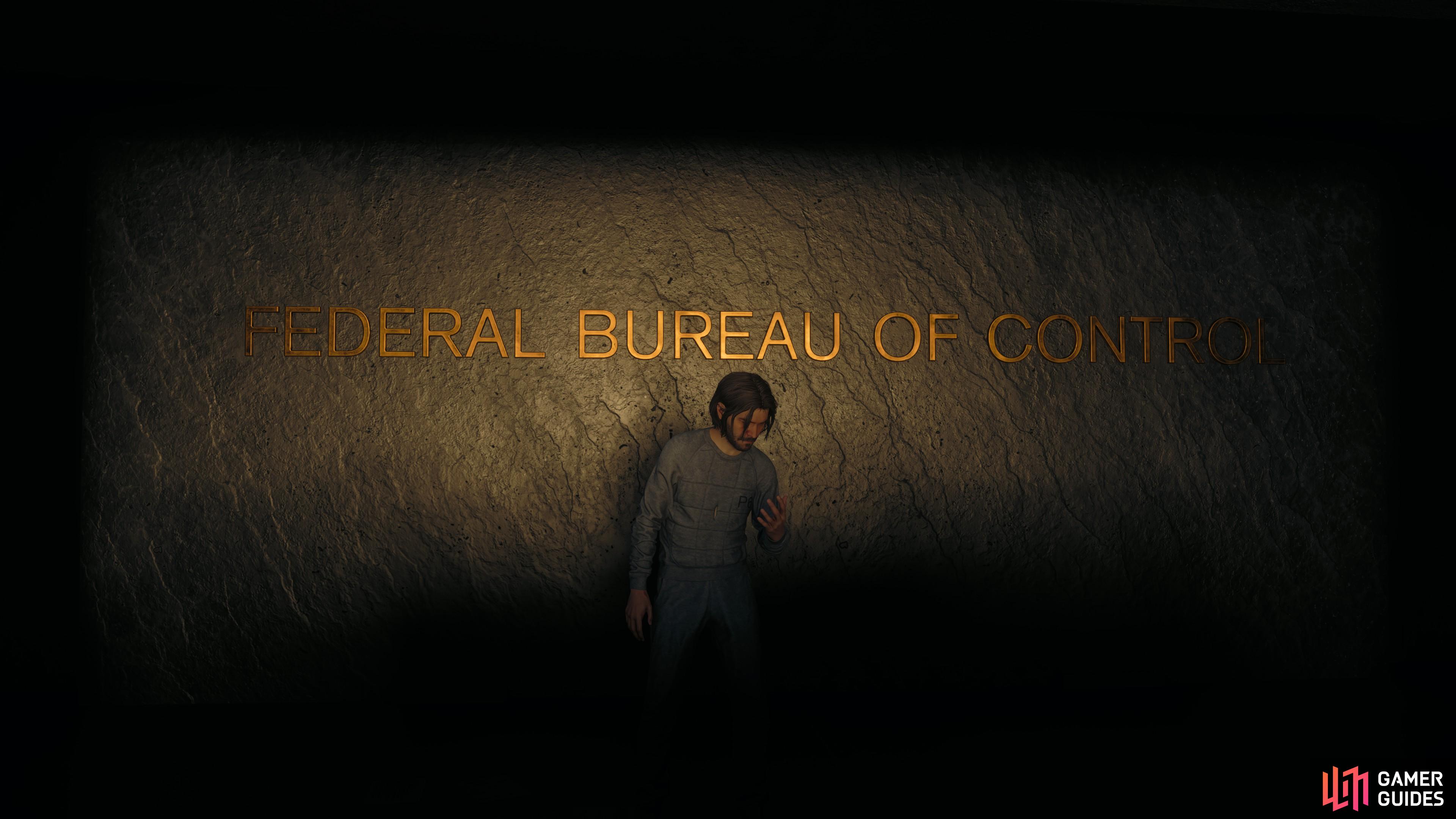
You take control of Dylan Faden, the brother of Jesse, the protagonist of the first Control.
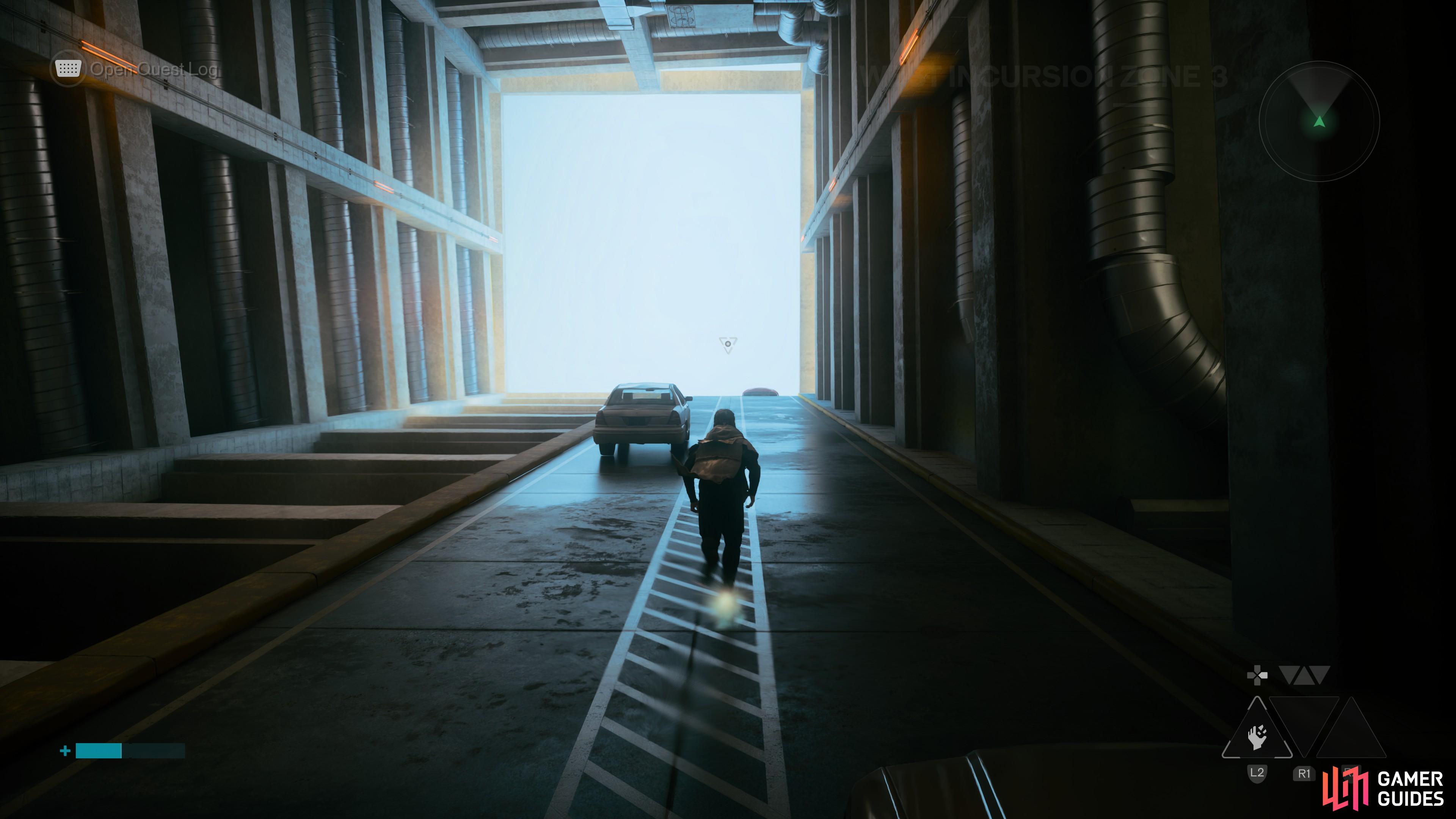
Remedy’s approach to an open world is fascinating.
Mirrored. Patterned. Resonating.
The world of Control Resonant is maybe its greatest technical feat. The city has been broken up into half a dozen or so distinct areas reflecting different parts of the city, all being affected by the paranatural “resonance” in different ways. From “The Park,” infected by a mold that you really should not eat (DO NOT EAT IT, OK), to the “Evac Zone” that is thoroughly overrun by Hiss, Manhattan is twisting over and in on itself in ways that would make Maurits Cornelis Escher, himself, dizzy.
From a purely visual point of view, no other video game looks like Control Resonant. Even its predecessor was mostly focused on non-Euclidean brutalism, whereas this game explores a modern city, some more naturalistic environments, and even some late-game shifts that radically toy with both the game design and story. While these spaces are often physically impossible and illogical, Resonant remains (mostly) remarkably readable for the average player trying to navigate its world. The game’s mini-map, which adapts to gravity shifts, and local map — which is much simpler than the first game’s 3D wireframe maze are largely successful in their sole jobs — but they are pushed right to the very limit in the game’s final gravity-defying act.
It really cannot be overstated what an achievement Control Resonant is in terms of level design, world-building, and visuals.
It really cannot be overstated what an achievement Control Resonant is in terms of level design, world-building, and visuals. Few games of this graphical fidelity and budget will bombard you with imagery this complex and surreal, while retaining a cohesive style. Moreover, the movement abilities available to Dylan (which grow over the course of the game through optional missions) make exploring the city a joy, and the kind of “Oh, video games can do this” power fantasy that you usually associate with experiencing movement in the original Crackdown or Insomniac’s Spider-Man for the first time.
The game’s Northlight engine fuels both these impressive and reality-bending exploration tools, along with high-end graphical bells and whistles. However, the result is that even on a modern mid-to-high-end PC, the game is very heavy. While my 5070 Ti desktop PC was able to get the game running very well with a bit of tinkering, and there is plenty of scalability seen in how well it ran (without ray tracing) on my Steam Machine, the game has its limits. Notably, Control Resonant’s somewhat aspirational “Handheld Mode” settings (with aggressive upscaling) are applied if you boot up the game on a Steam Deck, and it can just barely scrape low-to-mid 20 frames per second and is far from a smooth (or playable) experience.

Dr. Darling’s videos remain a treat throughout.
Old Dog
If the brilliance of Control Resonant’s world is instantly apparent, then its combat is relatively slow to flourish. At no point is the combat in Resonant bad; however, after the game’s compelling opening, Dylan is dropped in Manhattan and given a choice of three “Resonant Entities” to pursue in any order. This sounds compelling, but there are a few sticking points.
Firstly, it needs to be noted that while Control Resonant is definitely a character action game, the light progression elements of unlocking combos or minor upgrades in something like Bayonetta or Devil May Cry are swapped out for a much more heavily RPG-inspired myriad of skill trees, each with dedicated upgrade materials needed for different abilities and all. This isn’t necessarily a bad thing, but it means that the game focuses much more on making Dylan more powerful as the plot progresses, which in turn means he’s at his weakest, with the fewest tools at his disposal, and very little in terms of combo, offensive, or defensive abilities in the first five to eight hours.
it means that the actual order 90% of players will progress through the beginning of the game is the same.
The game has very flexible difficulty tuning options, paired with a metric tonne of accessibility options. However, if you just leave everything at its default position, the result of the game’s balancing is that early encounters can be a bit of a slog. The combat is designed to be very aggressive through combos and stunning enemies; there is no block button, and often there are too many enemies to dodge. You are meant to keep killing foes so that they drop more health and keep you driving forward. This is very hard to do in the early hours when you really don’t have many ways to stun enemies.
Secondly, since at the beginning of the game you pick one of three primary forms for Dylan’s shapeshifting Aberrant weapon, one of three secondaries, and one of six combo finishers, none of which will necessarily flow into each other effectively, it means that if you aren’t careful, you can snooker yourself early on with a bad loadout until you get certain resources to respec. This respec resource isn’t super scarce, but its existence paired with its apparent abundance makes it feel like a bad solution for a tough problem.
This lack of early flexibility is highlighted by the three bosses you can attack “in any order.” While in theory true, defeating “The Artist” resonant that allows you to pick between two burning abilities first is virtually mandatory for doing effective damage, and “The Dancer” resonant is such a difficulty cliff compared to anything you’ve faced before, it means that the actual order 90% of players will progress through the beginning of the game is the same.
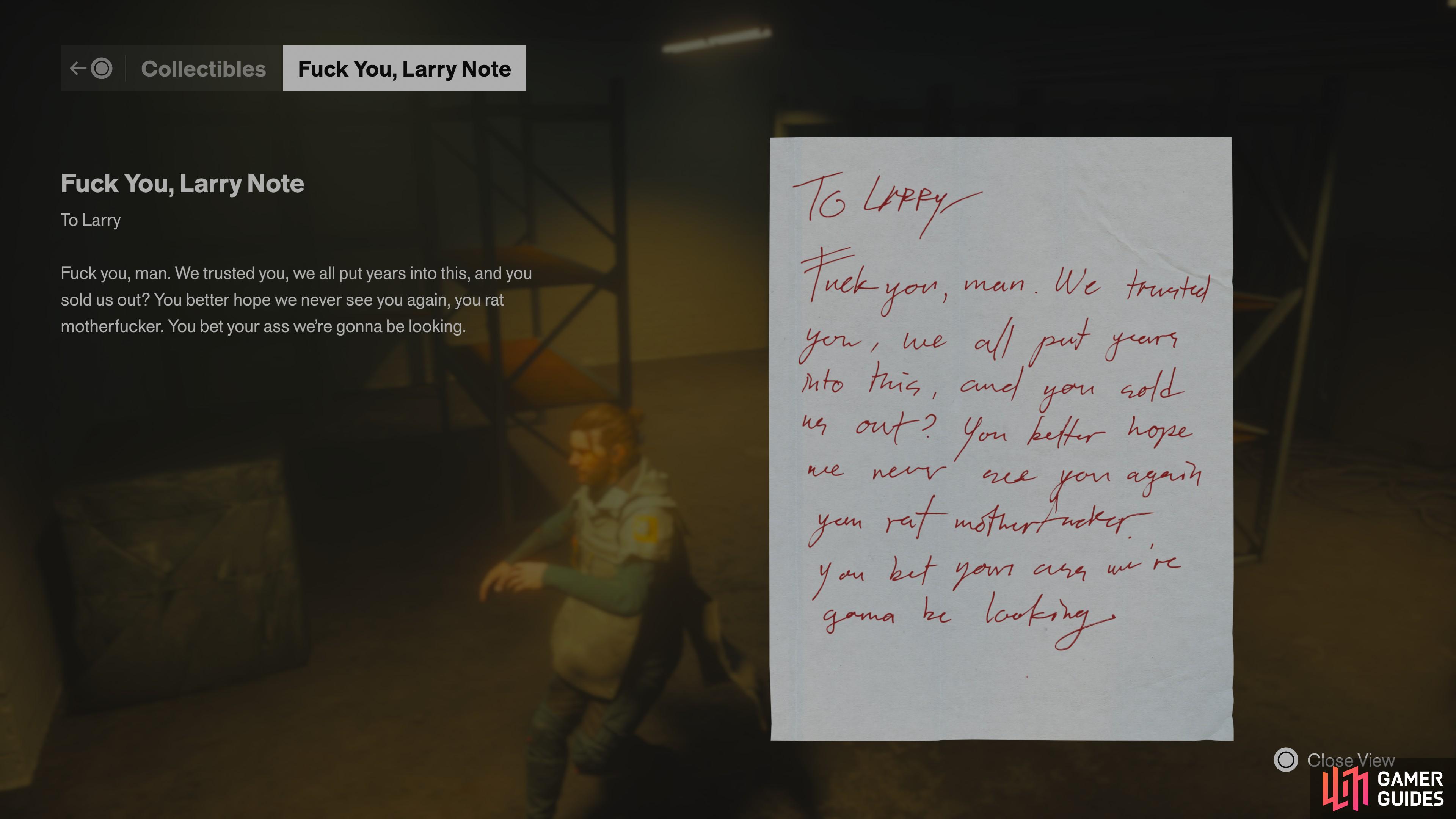
The lore scattered across notes and other means adds so much personality to the game.
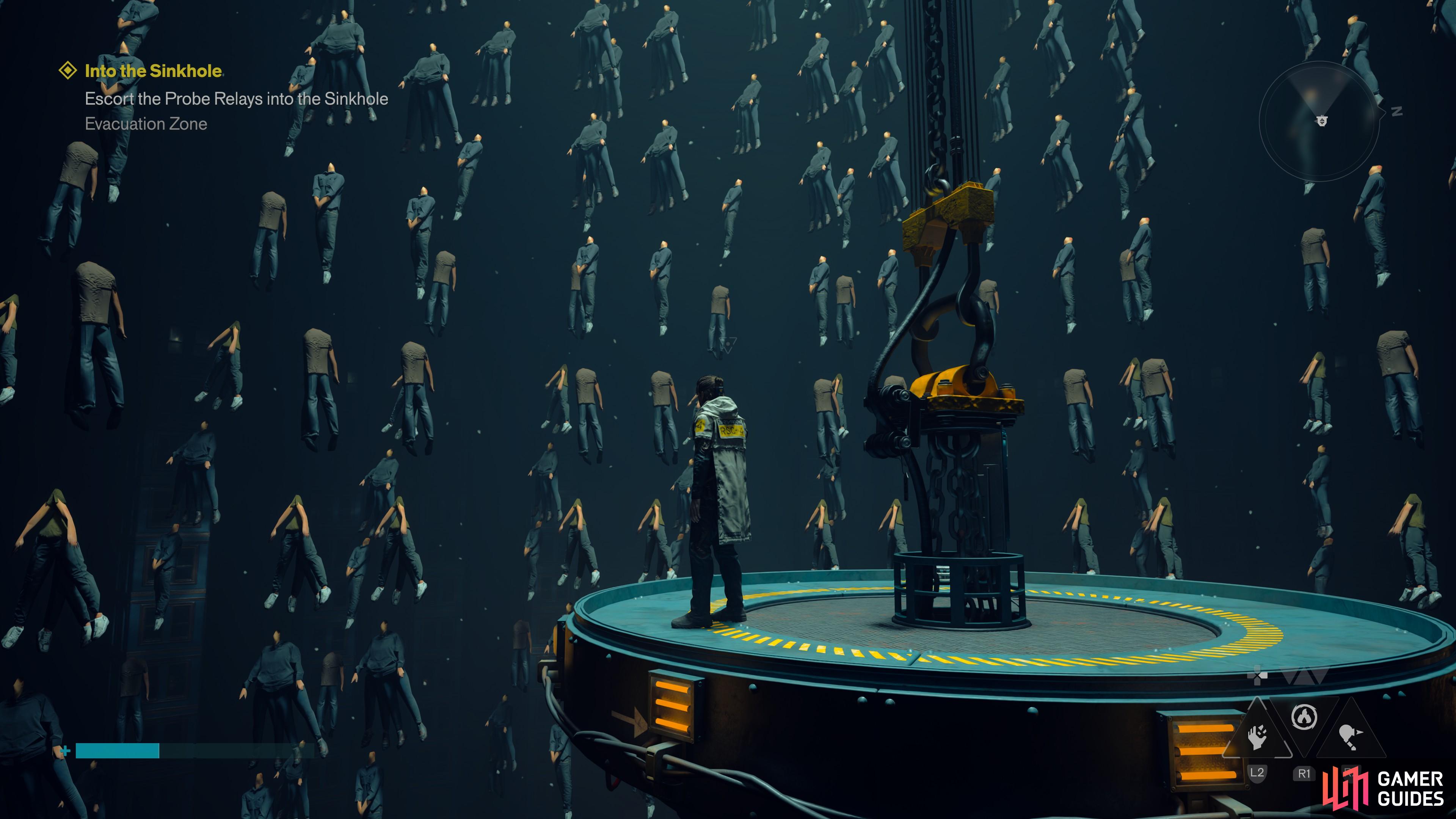
Control Resonant constantly throws surreal imagery at you, as you’d expect.
New Tricks
With all that said, again, the combat is never bad, and it continuously got better and better for the next 35 hours I spent with the game. What starts out as something quite mashy can become a near-endless juggling act of stagger, stun, knock into the air, poison, burn, explode, and finisher on the hordes of otherworldly entities that you will face. The toolset that once limited you ends up becoming something of a toy box where you can explore combos, air juggles, and stunlocks, and it’s extremely satisfying.
By the end of Resonant, especially if you have been doing side content, Dylan transforms into a glass wrecking ball. No matter how many health upgrades you collect, you’ll always be quite squishy if you aren’t careful. Despite that, though, the younger Faden sibling is capable of locking waves of enemies into a rhythmic cycle of murder, heal, push forward, and repeat.
The one downside to this is that this is a combat system that very much feels like it can be “solved.” Late-game bosses and waves of enemies are a far cry from the stiff challenges of the early hours once you realise that enemies can’t attack you if you combo them into an air launcher and juggle them until death. This only becomes an acute problem when the ease of fights stops matching what characters are telling you will be tough challenges, to the point that gameplay can feel somewhat anticlimactic in the final hours.
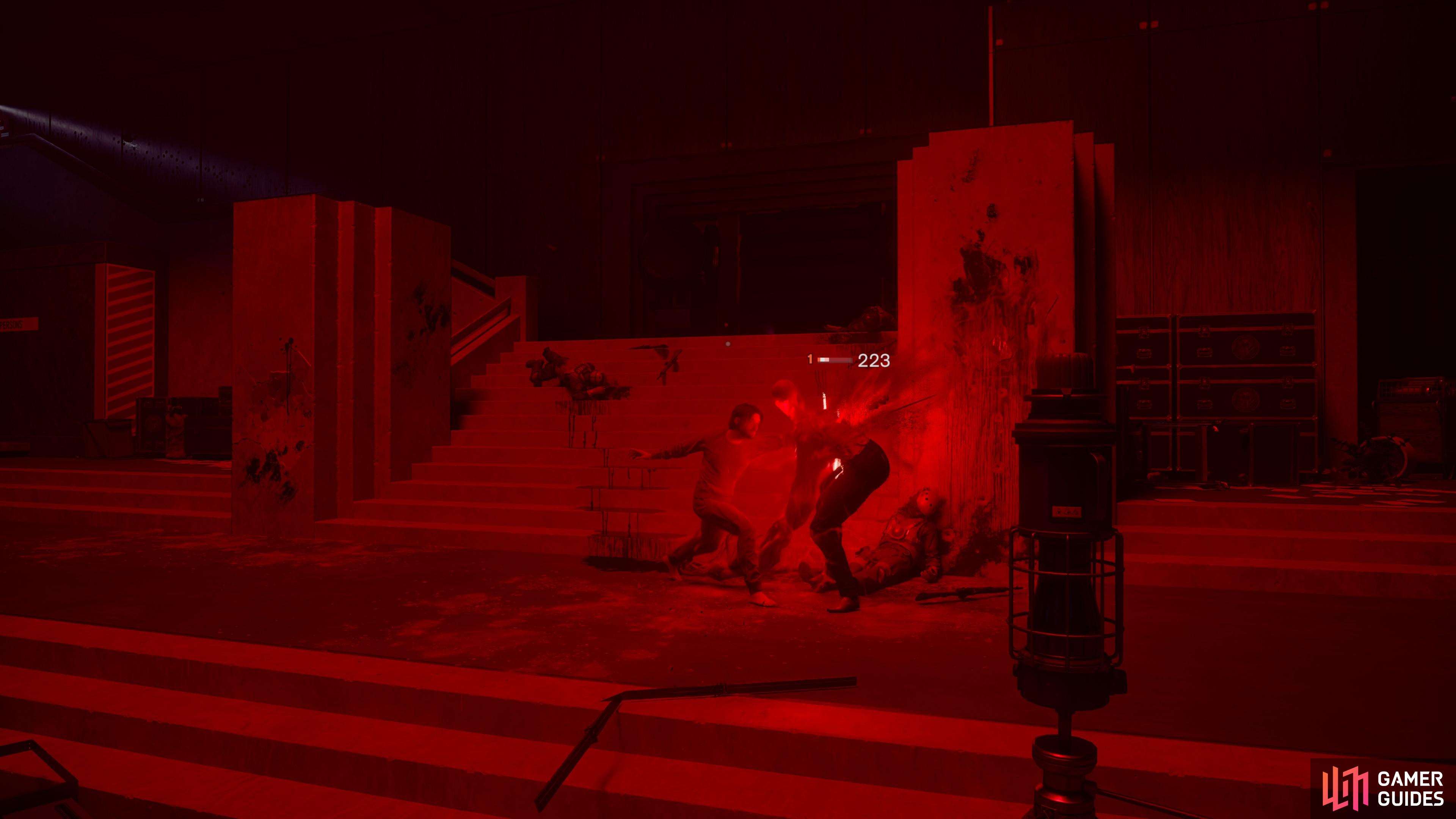
Combat isn’t great to begin with, but eventually allows Dylan to become a glass wrecking ball.
Yötön Yö
It is a real shame that sometimes the combat can underserve Resonant’s story, because it’s some of the best stuff Remedy has done. While my personal tastes have always leaned toward the horror of the Alan Wake series’ mixture of dread and comedy, the SCP inspirations of Control colliding with the real world prove fertile ground for horror, humour, and drama.
It almost goes without saying, but Remedy continues to have some of the best ambient worldbuilding and NPC dialogue, environmental storytelling, and collectables of any video game maker. Be it the messy pettiness of interoffice politics resulting in the dressing down of a useless coworker dealing with ungodly powers, or the sometimes hilarious, sometimes somber live-action recordings featuring Dr. Casper Darling (as portrayed by the voice of Alan Wake, Matthew Porretta), everything you pick up in Control Resonant feels distinctly, chaotically, beautifully human.
Remedy continues to have some of the best ambient worldbuilding and NPC dialogue, environmental storytelling, and collectables of any video game maker.
The grander narrative similarly feels personal in the best way. While the Alan Wake games are great sci-fi horror mysteries, there is the persistent issue of Alan being both a bad writer and a worse dude, making him kind of a (usually lovable) pain in the butt. Combined with his now almost two-decade battle with the same darkness can leave his character feeling a bit one-dimensional at times. Alan Wake 2 addressed this by introducing characters with more range, like Saga Anderson, who were also much easier to stay invested in. While Resonant has more than enough trauma to break down with just Dylan, its supporting cast really helps bring his journey to life.
Even if the game is about a world-ending threat, it’s much more concerned with Dylan and his relationship with his sister. This focus, paired with Durie and Hope’s aforementioned performances, results in some compelling human drama that rarely gets bogged down in the endless proper nouns and redacted text of games like this.
I have already highlighted several of the main performances, but I also want to call out Antonia Bernath as acting director Emily Pope, and Ronan Summers as the misguided head of security Simon Arish. Both of them are very good in their roles — Arish is an all-time dirtbag boss — but Bernath’s Pope is a particular highlight and acts as the secondary emotional core to the game due to her relationship with the missing Jesse. Some of her voice performance towards the end of the story is especially beautiful while remaining understated and reserved in a way you rarely get to see in video games.
However, most bold of all is how the penultimate sequence tosses these performances aside as the game shifts not only in style, but also in gameplay and genre, in the name of something a bit more limited in pixel count. While something like this was played (mostly) for laughs in Alan Wake 2’s DLC, the result here sees the storytelling stripped back to the point that the written text can do a lot of the talking, and it really works. Ultimately, it’s the kind of sequence which, by all rules of logic and focus testing, you won’t see in games from other developers of this scale. While maybe not achieving the raucous highs of the Ashtray Maze in the first game, or the Herald of Darkness sequence in Alan Wake 2, it’s not trying to. It is an equally affecting sequence that reflects Resonant’s frequent pining for a lost past of childhoods never had.
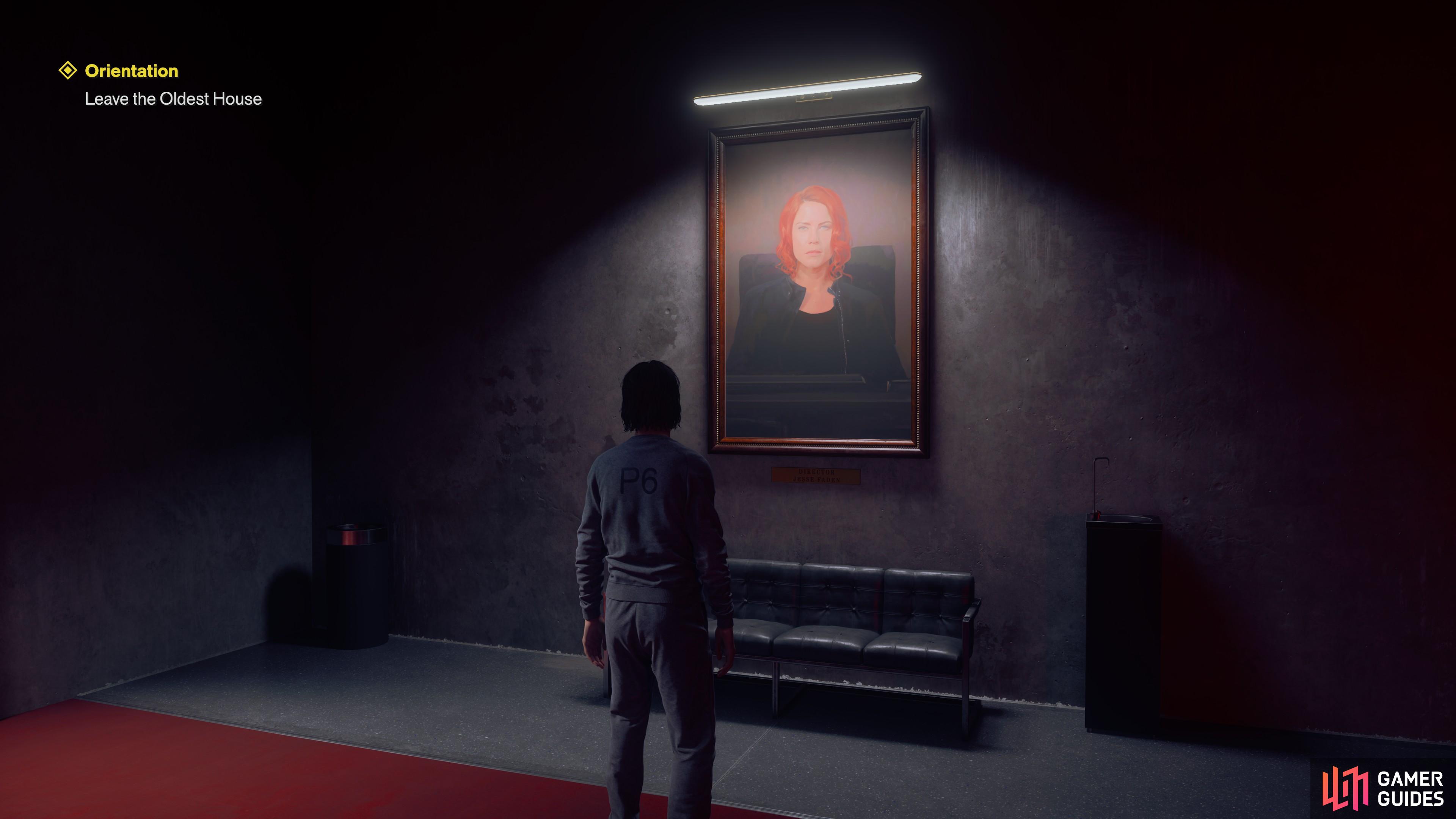
Jesse and Dylan’s relationship is at the core of the story.
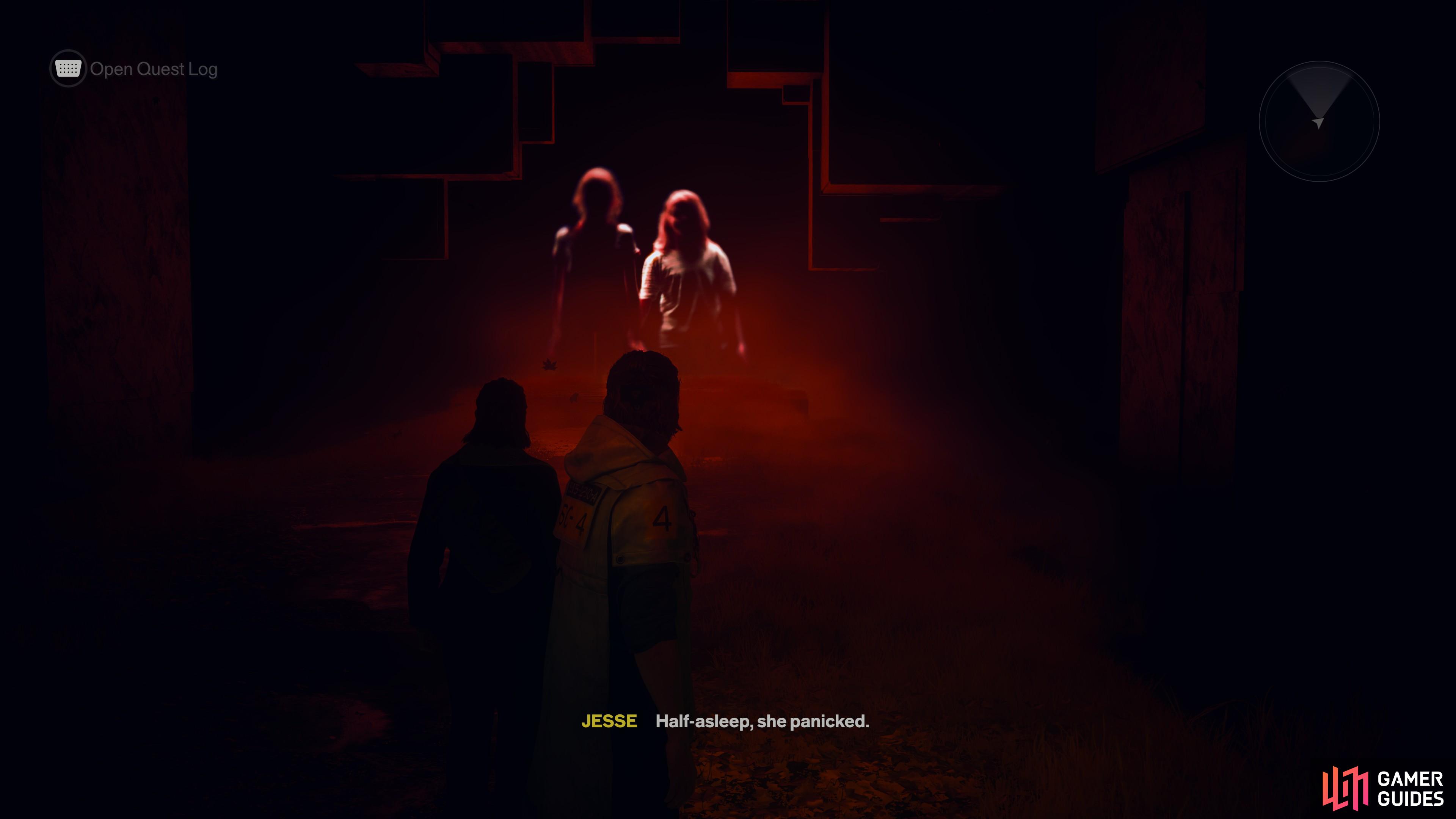
This leads to some fantastic scenes involving the siblings.
Control Resonant isn’t perfect. The combat can sum it all up; it starts thin and ends up being exploitable, but in the process becomes something deeply enjoyable for 40 hours where you can feel the passion and depth in every aspect. It’s a game full of messy and broken characters, full of killer music, beautiful visuals, and powerful acting created by artists that put their souls into something human and new, all set at the precipice of the end of the world, where something that we don’t truly understand seeks to copy copies of copies until there is nothing human left in our once-beautiful world. I wonder what that could be a reflection on…?
Beautiful Harmony
While it’s a slow start at a discordant pitch, Control Resonant quickly tunes into the right frequency and hums with humanity. Its frayed edges can sometimes become apparent; its characters, writing, world, and sheer originality vastly outweigh any downsides.
Gameplay:
Sound:
Graphics:
Story:
Value Rating:

No Comments