
 First Impressions
Showa American Story is Looking to be a Wild Ride

Pros
- Combat seems to have a lot of depth
- Activity Points system means there's always a reason to explore the world
- The story seems like a fun time
Cons
- Choko's appearance...
- ...and the constant pandering to it
It’s been a while now since Showa American Story was first announced to the world back in 2021. We’ve seen very little of the game outside of a few trailers, and I’ve always been curious to learn just what this game actually is. A lot of the footage showcased so much over-the-top action and zaniness that it’s been hard to get a read on it.
So, when I was invited to go hands-on for an hour of the game at Gamescom 2026, I jumped at the chance, and it’s safe to say that my mind was blown into a million pieces.
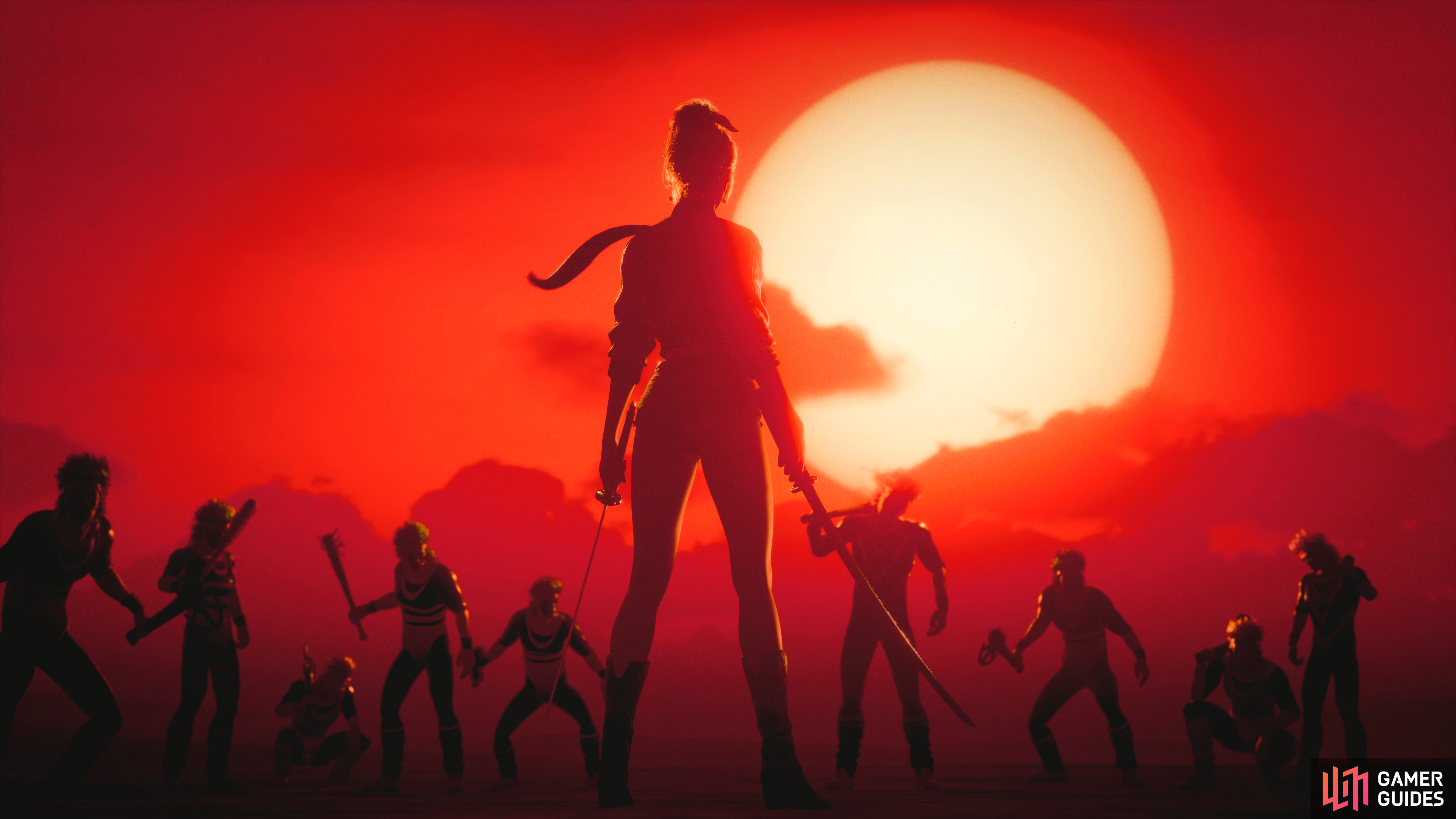
It’s hard to deny that Showa is simply fun to play and experience.
Neo Yokohama
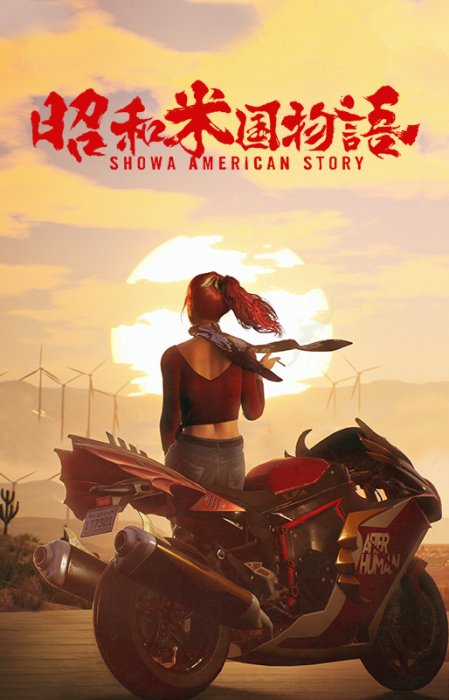
Showa American Story takes place in an alternate America in the late 80s, one where Japan has influenced the culture and has taken over with its economic dominance. Following an incident, the world has shifted even further beyond this, and you find yourself in control of Chigusa Choko after being brought back from the dead mysteriously. If that alone doesn’t have you interested in Showa American Story, I’m not sure what else will.
The story takes a more comedic tone, as it seems to be influenced by some of the craziest parts of the Like a Dragon series, while splicing in constant pop culture references. It’s interesting, to say the least, and while the characters are stereotypes, they fit perfectly into this bizarre world that developer NEKCOM has created.
My demo gave me four different slices of the game: two focusing on story-related missions, a look at the Guren, an RV-based hub between areas where you can undertake activities to power up Choko, and a boss fight with multiple phases. It was a great way to have a look at how multiple facets of the game are handled.
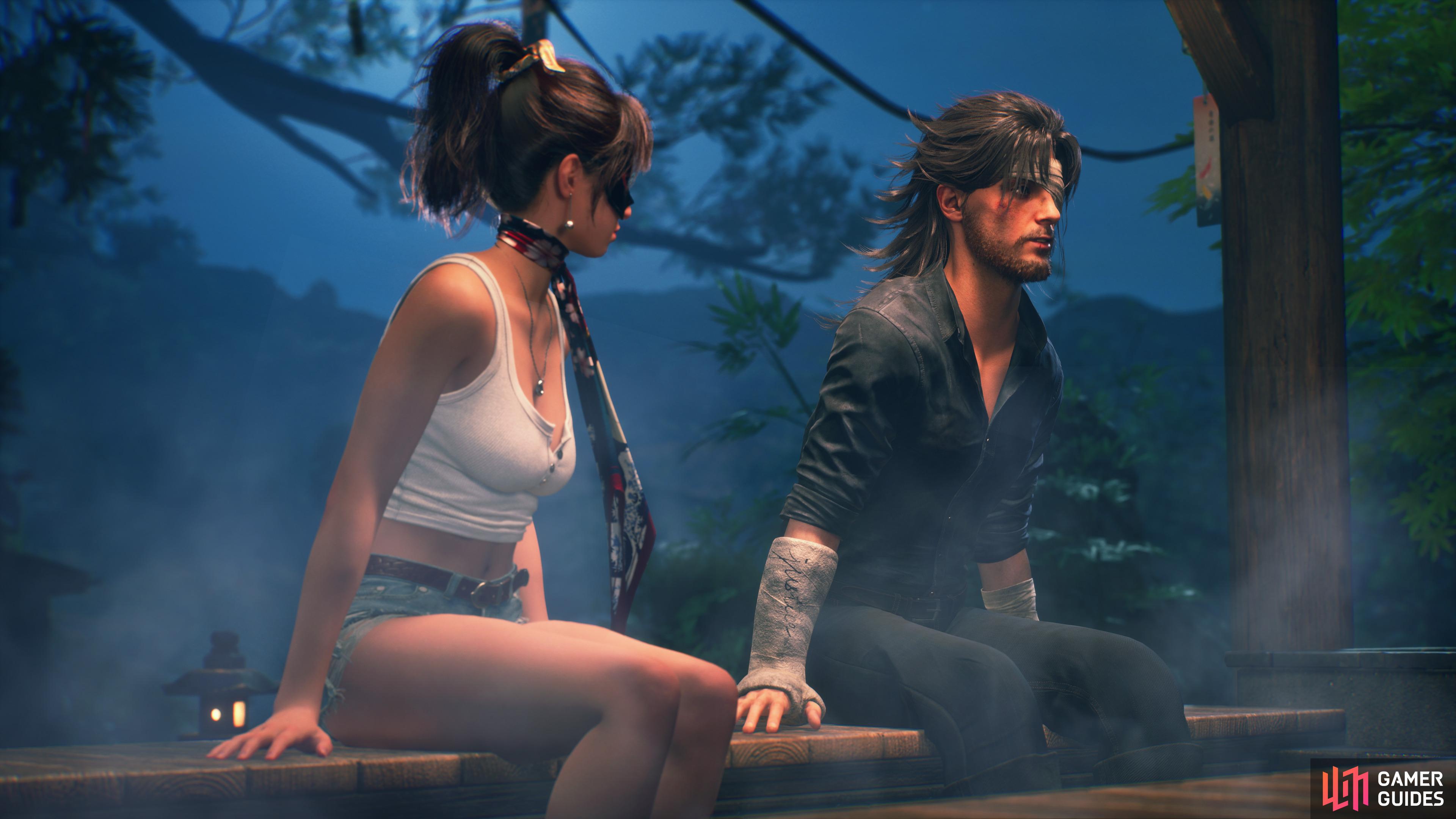
The wackiness of the story and characters are interesting.
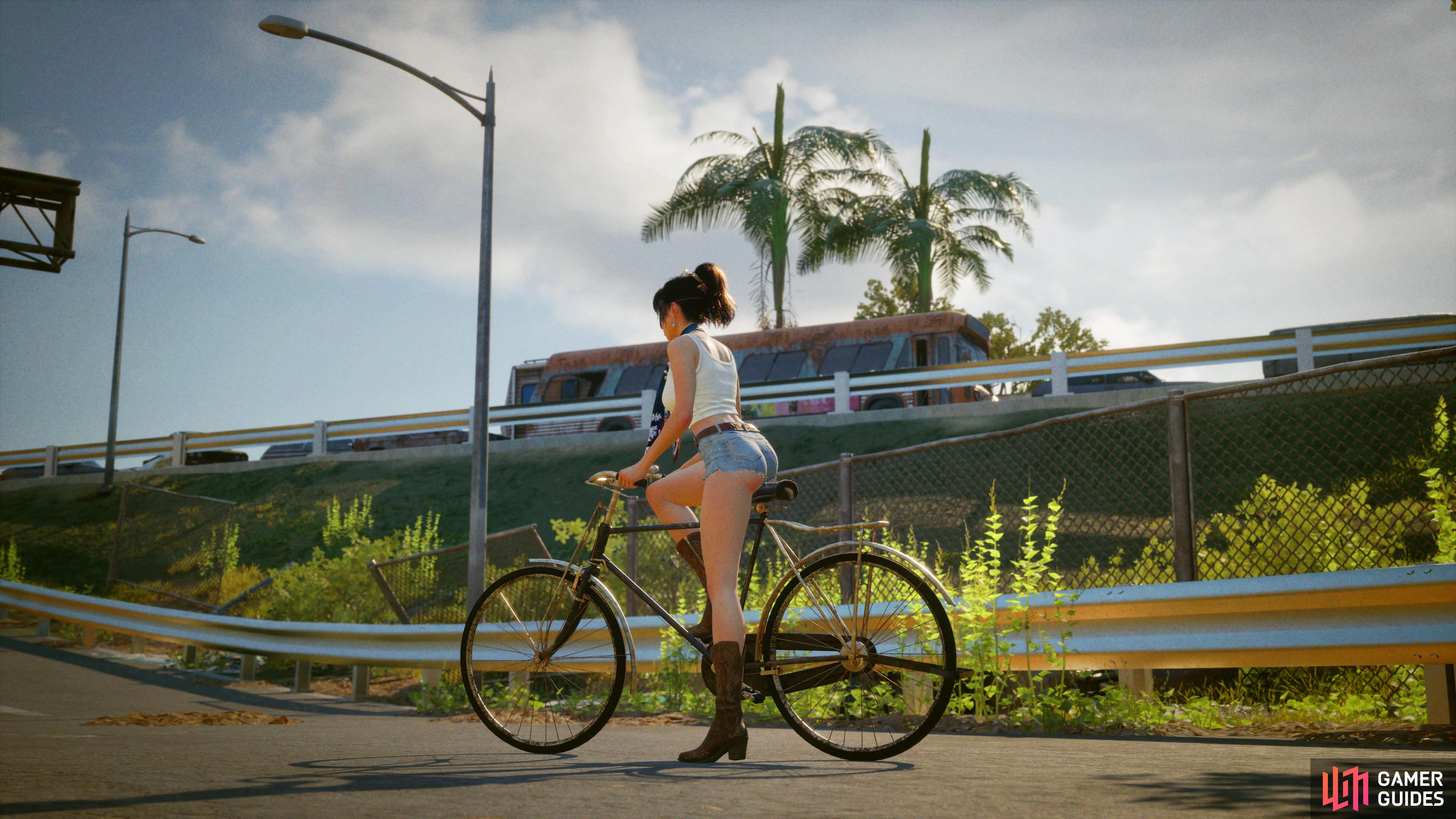
It’s a shame that Choko’s appearance detracts from her character.
Like a Teenage Girl
The first mission saw me get to know Choko and her companions a bit, Bubba and Michael Hero, a wheelchair bound man with quite a lot to say for himself. My goal was to reach the top of Neo Yokohama, where all manner of rival gangs had taken over and tried to prevent me from reaching Granny Peace at the top. These gangs instantly reminded me of the type of Substories I’d see in Like a Dragon, and the battles that followed invoked that similar feeling. Still, there was plenty of personality in the scenes that followed, and despite her appearance, Choko instantly grew on me.
This is useful (AP) because not only does it make all parts of the world worthy of your time, but it’s a resource needed to upgrade Choko’s stats back at the RV.
You see, perhaps my biggest gripe with my time with Show American Story was Choko’s appearance and the constant pandering to it. Although you can change her clothes, everything on offer centered on sex appeal, and I found it a bit of a shame, since her character, situation, and personality were interesting enough that I felt it wasn’t needed. Perhaps there may be opportunities in the final release to address it, but it was a constant point of frustration for me.
Still, the entire mission offered plenty of opportunities to look around, find loot, beat up some thugs, and enjoy plenty of chatter between my group of misfits. The second story-focused demo had me back in the same area, now fully liberated, where I could talk to people, do some shopping, and explore some of the areas that were cut off for me. There were side quests, discoveries, and everything else you’d expect in a typical action RPG.
It all hints at a deeper experience in the final release, and if the areas are larger than this one, exploration should be a huge chunk of Show American Story. What’s more, everything you do in this world rewards you AP (Activity Points); be it looting an item, speaking to specific NPCs, or completing quests, you’ll constantly generate this resource. This is useful because not only does it make all parts of the world worthy of your time, but it’s a resource needed to upgrade Choko’s stats back at the RV.
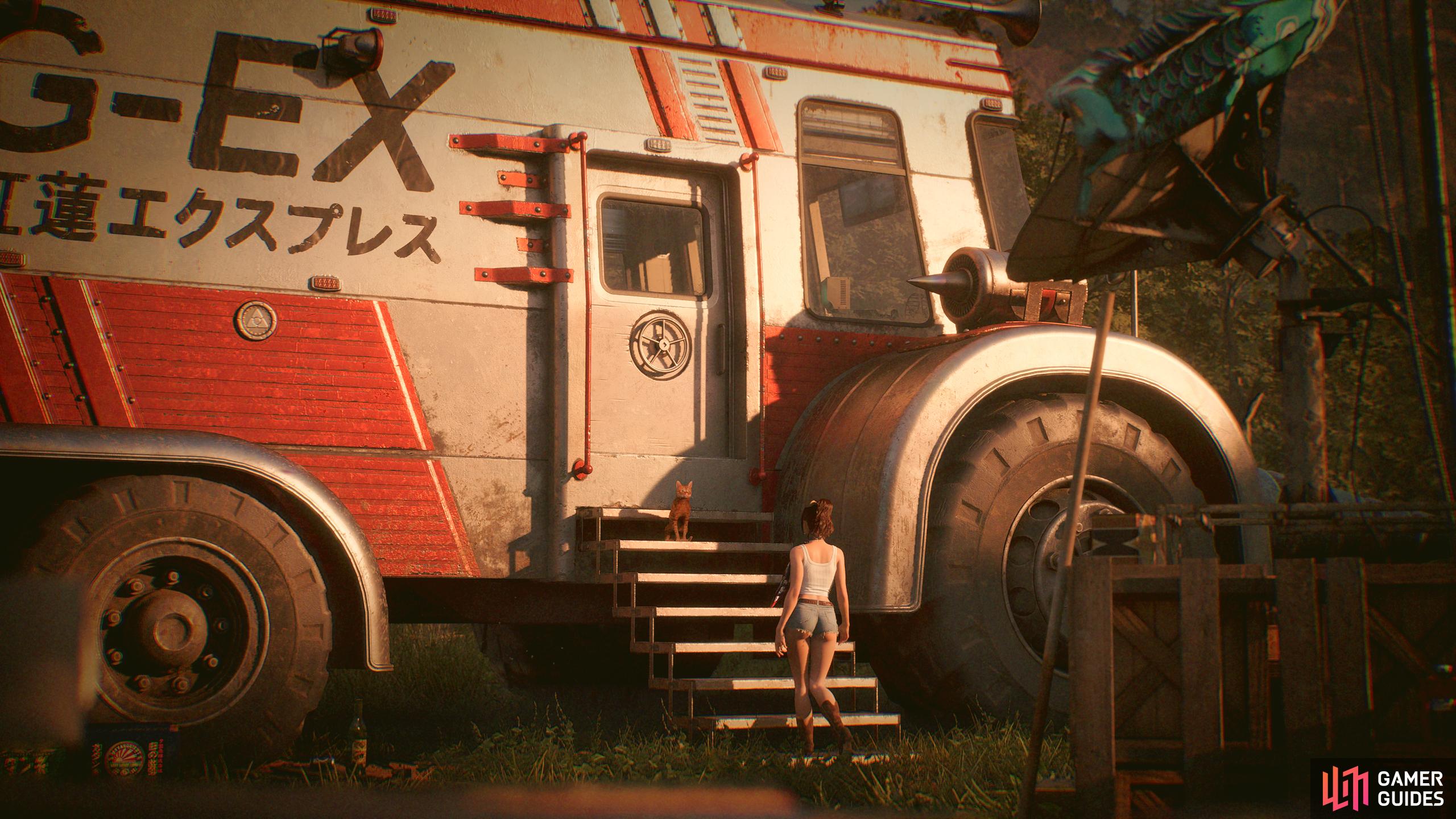
The RV provides a way to increase Choko’s stats by undertaking mini-games using the AP you have acquired.
Rest and Relaxation
The RV serves as Choko’s hub between missions where you can speak with Bubba and Michael and complete some activities to upgrade Choko’s stats. The camera zooms in even closer to Choko here, and a lot of the activities only further pander to it; if that’s something that’s a no-go for you, this part will most likely hit your limit.
Having a meal or a drink will provide you with lore based on it in the alternate history that Show American Story is set in.
Persist through that, though, and there is a lot of greatness to be seen here. Having a meal or a drink will provide you with lore based on it in the alternate history that Show American Story is set in. You can fully decorate the wall with all manner of furnishings from your exploration, and the mini-games themselves are a decent enough challenge. Again, this does all add to the fantastic world-building that Showa is constantly displaying, and perhaps the part of the demo I enjoyed the most.
Raging Out
Combat, then, plays out in a similar manner to Like a Dragon’s brawler-focused entries, with a bit of a twist. There is a central mechanic to combat known as Rage, a resource you fill up that will allow you to pull off deadly attacks that will mow down your enemies.
By default, Choko can have four weapons equipped at a time that you can switch between with the D-Pad: two melee and two ranged. While ranged weapons work as you’d expect, you will need to make sure you have ammo, which isn’t as plentiful as you’d like, so they should be reserved for moments where you really need them. Still, when used, they will easily shred most grunts with little effort.
With multiple damage types, resistances, and more, combat was perhaps the most impressed I was with the entire hands-on experience.
Melee, on the other hand, is where it gets interesting. There are multiple weapon types on offer, from hand-to-hand, katanas, drills, and Polearms, all of which impact how you build the Rage resource and how you approach combat. Katanas allow you to change stances based on your light and heavy attack combos and deal heavy damage but generate Rage more slowly. Hand-to-hand, instead, focuses on fast flurries but deals less damage; as a trade-off, though, it generates Rage quicker than any other weapon type. Each type feels unique, and it makes combat an enjoyable experience.
Once you’ve generated enough Rage, you can pull off special attacks that deal heavy damage, or, alternatively, you can look to break your enemies by depleting their resistance gauge and perform executions, complete with QTEs in a bloody mess. With multiple damage types, resistances, and more, combat was perhaps the most impressed I was with the entire hands-on experience.
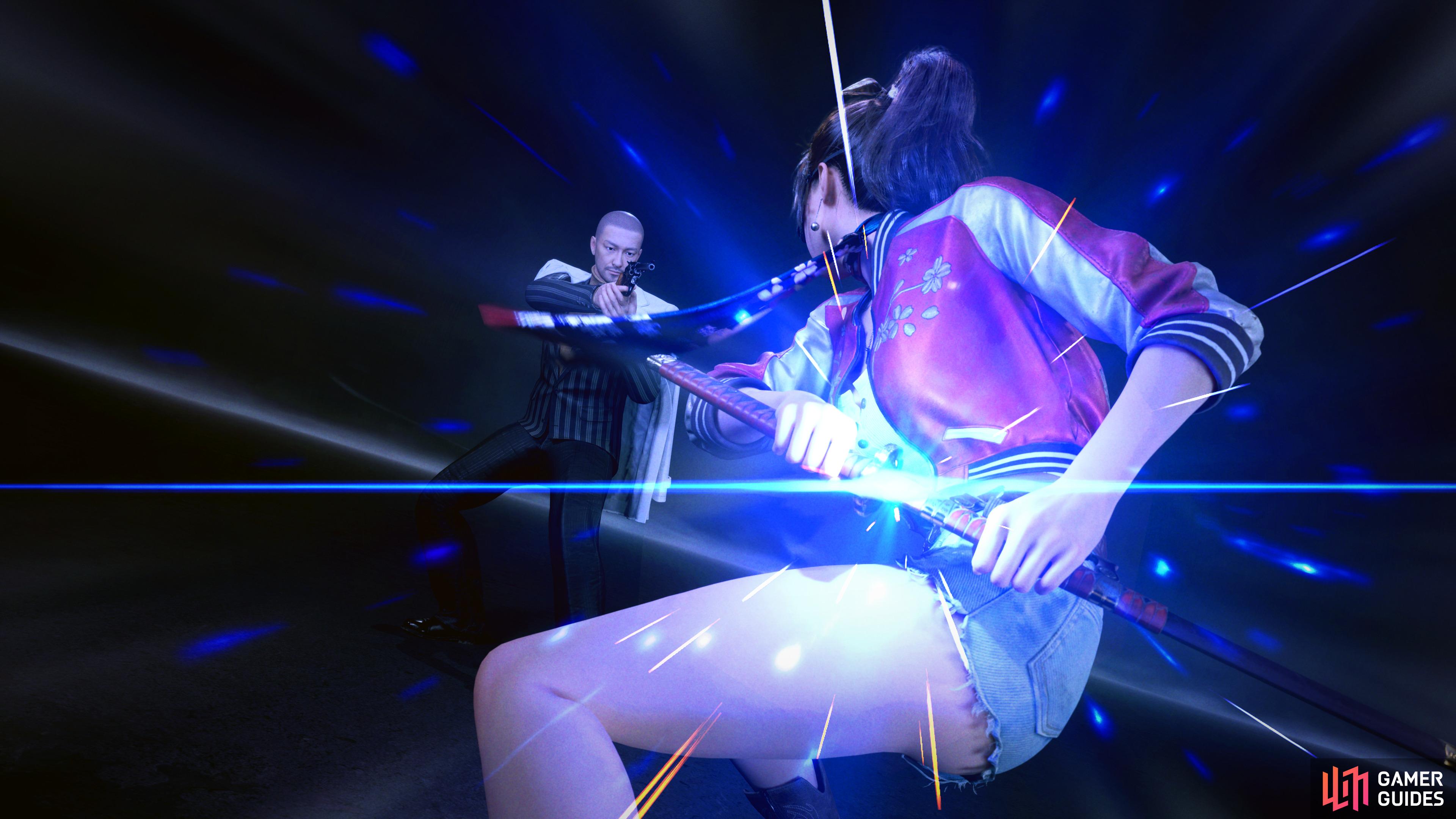
Combat has a lot of depth and shows plenty of promise.
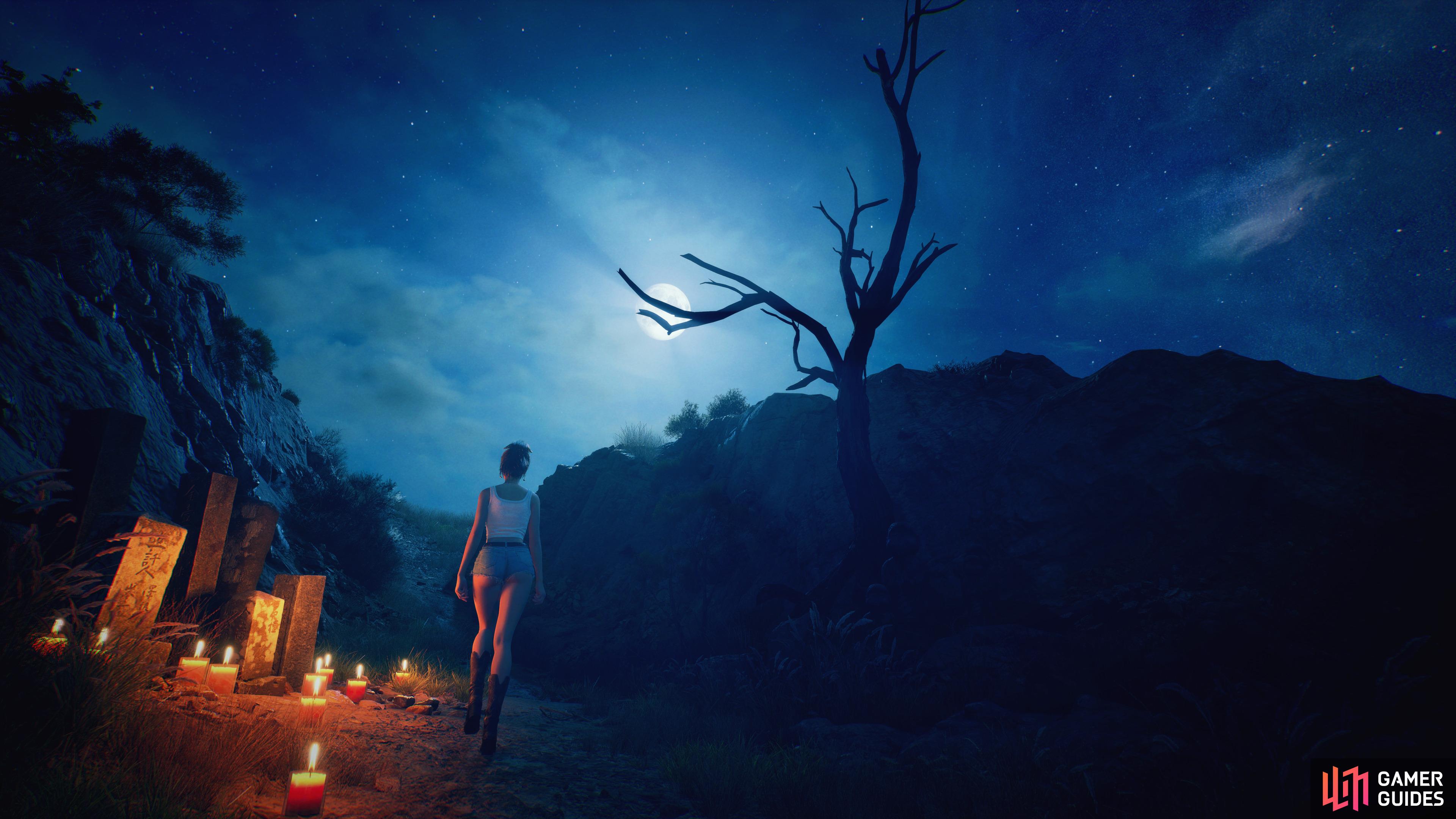
The locales look great and are a joy to explore.
I finished with a lengthy boss encounter with multiple phases that only got wackier the longer it went on. Perhaps this was where I saw a bit of the side of Showa that still needs more work, as combat could feel a bit janky in a one-on-one battle where I had to be more precise. Still, it kept up the beautifully bizarre tone that the game seems to exude and continues to hint at the overall package.
There’s still a lot more to learn and see about Show American Story, but the vibes it gives off, the sheer number of options available to you as a player, and the interesting take on America have me intrigued enough to keep it on my radar and see how it all turns out.
Choko's Wacky Adventure
Showa American Story has so much going on, and we won’t know how well that all gels until the final release. For now, it’s hard to deny that mowing down enemies, taking on wild side quests, and relaxing at the RV is nothing but a fun time.
Gameplay:
Sound:
Graphics:
Story:

No Comments