
Star Wars: Galactic Racer is an Instant Arcade Racing Classic, Even if Not Every Modernization Improves the Experience


Pros
- + Incredible sense of speed
- + Clever boost system
- + Layered roguelike progression opens up the game to plenty of build crafting…
- + …which even carries over to breakneck online mode
Cons
- - Roguelike nature paired with racing rubberbanding doesn’t always respect your time
- - I would like to easily bind Ramjet to anything other than clicking in the right stick
Quick games industry history lesson, but this context is important. It feels kinda like a foreign concept now, but there was an era (several, in fact) when basically every publisher had at least one, if not two, racing games on its slate at any given time. Ridge Racer existed alongside Gran Turismo, alongside Project Gotham Racing, Shutokou Battle, Forza, Midnight Club, Burnout, Need for Speed, Colin McRae’s Dirt and Rally series, Motorstorm, and more. However, things changed and quickly calcified in the PS4/Xbox One generation.
People who wanted true racing sims stopped looking at consoles as the best outlets and moved over to PC-first titles, eventually settling on a handful of ultra-realistic sim racing games like iRacing , F1, and Assetto Corsa, while console sim releases were culled to first-party tech showcases like Forza Motorsport and Gran Turismo. Moreover, budgets and development times ballooned, and greenlighting arcade racing games on consoles quickly became more and more challenging. While there were a handful of attempts (mostly coming out of South England) in games like Grid Legends, Onrush, and Dirt 5, these releases quickly dried up in the 2020s. Even the prolific Codemasters was relegated to yearly F1 games, and also well-regarded Criterion is now “A Battlefield Studio” with an equally uncertain future under EA.
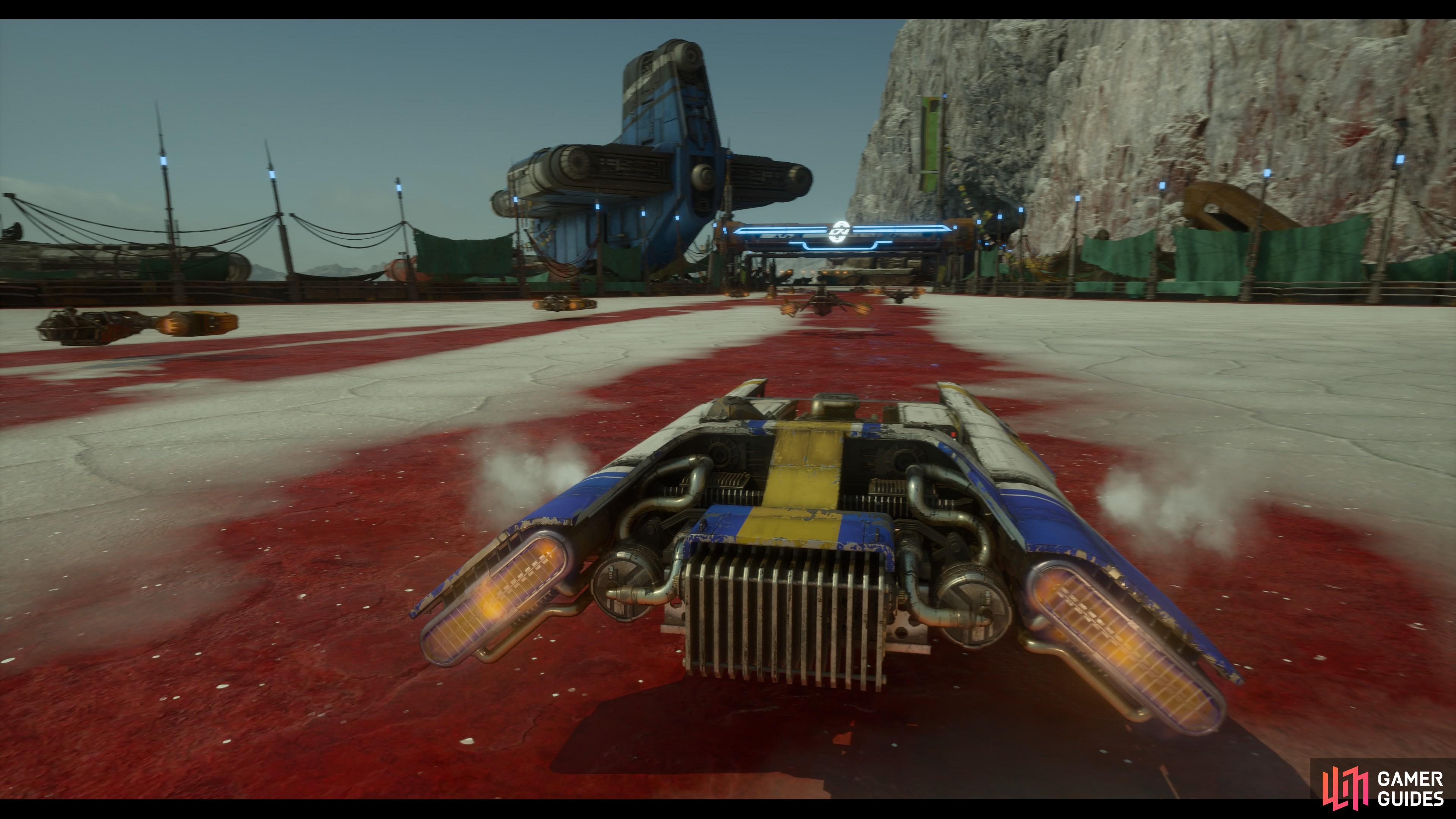
Star Wars: Galactic Racer captures the sense of speed perfectly.
Racing to something different
At a certain point, Forza Horizon became the default arcade racing game for the entire industry, acting as something of a black hole, absorbing any attention left lingering around the genre. Thankfully, in the years since, there has been a fair share of indies to help tide racing game fans uninterested in comparing chassis weights with games like Victory Heat Rally, Parking Garage Rally Circuit, Art of Rally, and the ever-popular Horizon Turbo Chase. However, in the last two years, there has been a shift; games like Screamer, a rebooted Tokyo Extreme Racer (Shutokou Battle), and the upcoming Clutch all signal demand for a return to arcade racing roots. This long, protracted casual racing sabbatical seems to have finally, thankfully, fully ended with the release of Star Wars: Galactic Racer, a game that is equal parts Burnout, Onrush, and a love letter to the podracing scene in Episode 1.
Some of the best art direction in any racing game since Ridge Racer Type 4.
This combination – seemingly concocted in a lab to activate the brains of people like me who grew up with the prequels and Need for Speed – not only works as a thrilling racing romp, but (mostly) successfully modernizes arcade racing for a modern era. Galactic Racer also features robust online modes, and a shockingly compelling story with some great writing which bizarrely does a better job explaining the current state of the Star Wars universe in the (somewhat) recent sequel series than any of those three films managed. I wish I was joking on that last point.
This is accomplished through a smart layering of roguelike deckbuilding (carbuilding? Speederbuilding? I don’t really know what we call it), an extremely compelling sense of speed built on a unique and original boosting system, and some of the best art direction in any racing game since Ridge Racer Type 4.
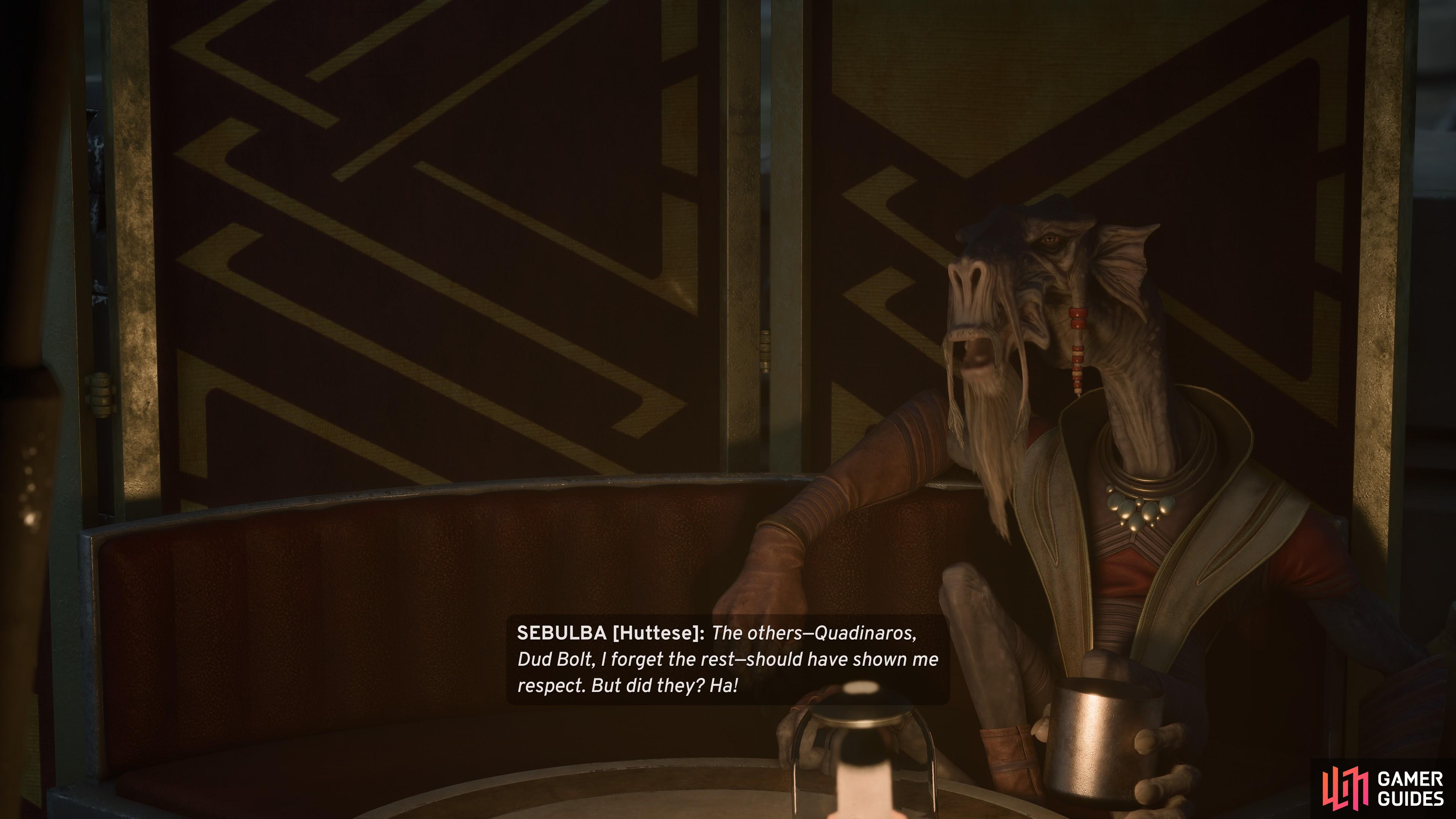
The story in Galactic Racer does fill some interesting blanks in the canon.
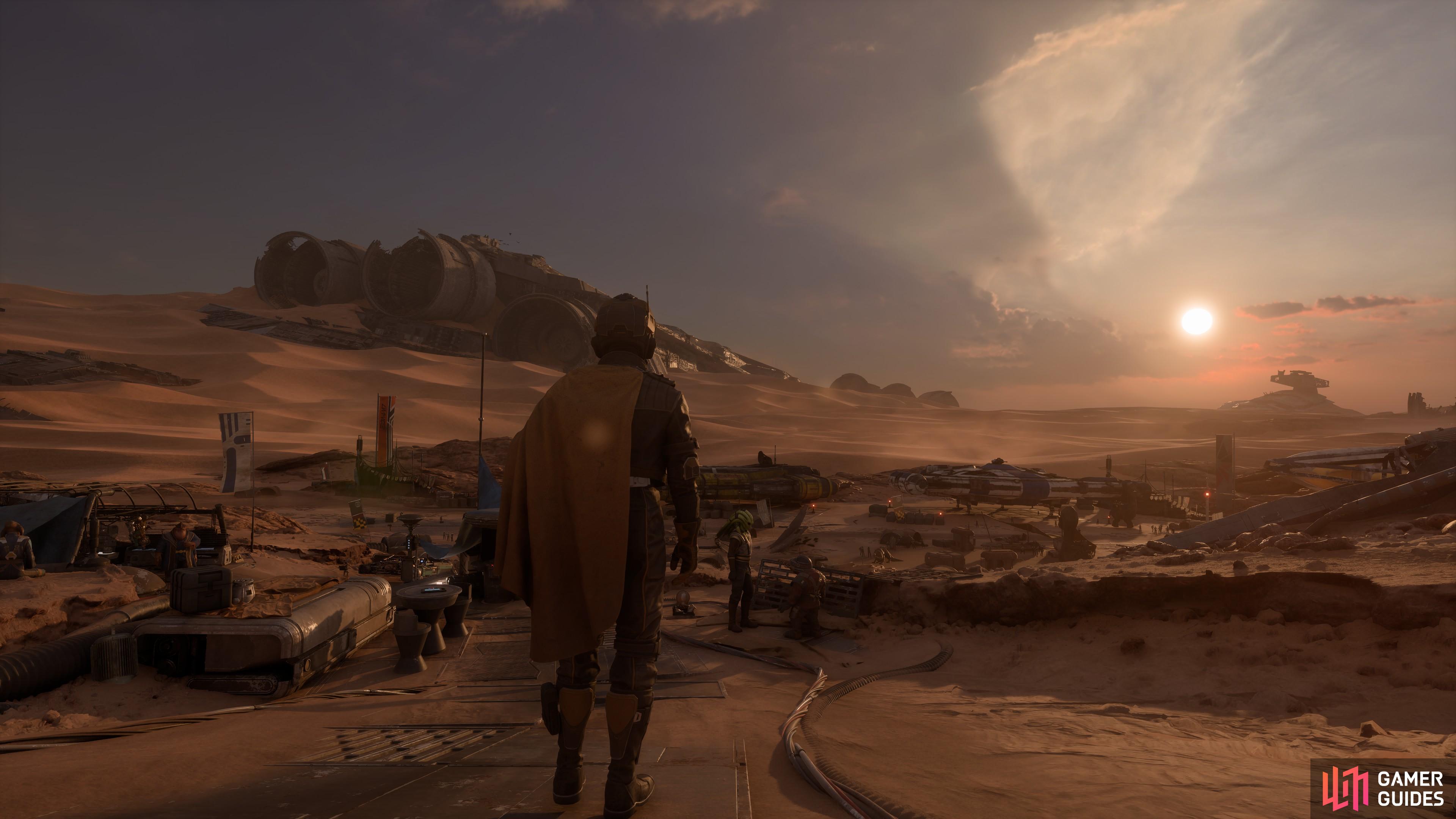
Every locale looks fantastic.
Flick the switches, hit the boosters, let’s race
One of Galactic Racers’ greatest strengths is how tactile everything feels. Be it punching in buttons to enhance your abilities at the start of a race, or how every vehicle feels like it’s about to come apart at the seams as it rattles around at 500 kilometers an hour racing through winding canyons and blind corners. This is physically added to by Galactic Racer’s unique control scheme for its boost system.
While every vehicle has a traditional “afterburner” boost that refills slowly, you can also press the right stick (something I would recommend mapping to a more accessible button) in order to switch over to your ramjet. This boost starts out as less powerful (speed-wise) but makes up for it in the fact that hitting other racers with it active knocks them off course much more aggressively.
This system means that very rarely do you have no form of boost at all, and the decision you have to make is whether your reaction speeds are quick enough that you manage often perilous tracks while at six or seven hundred kilometers an hour. It’s only one extra layer, but it adds a constant push and pull that keeps your brain engaged even on straightaways, and more importantly plays into Galactic Racer’s key point of differentiation: creating builds.
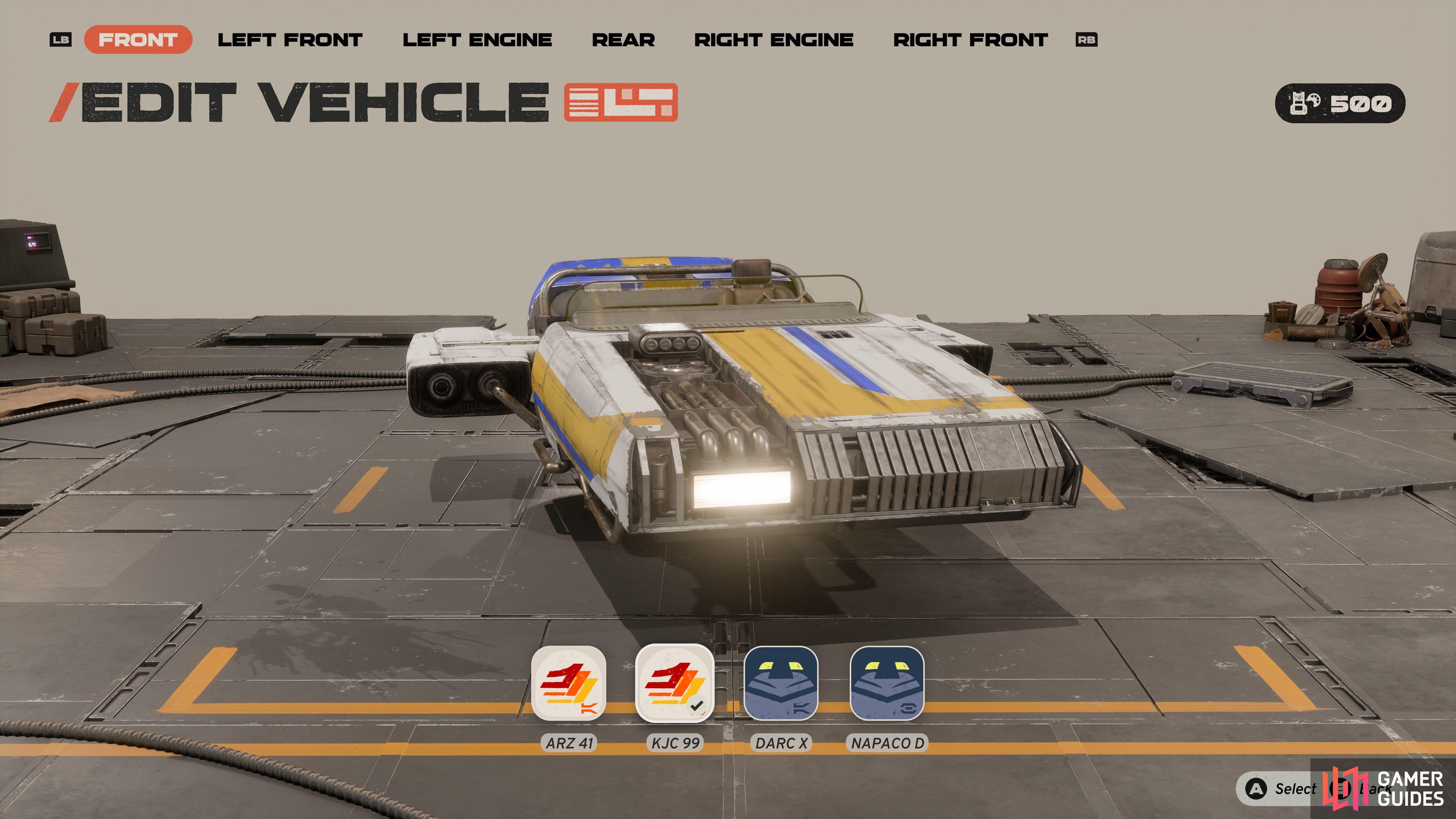
You’ll need to spend time attending to the builds of your racers.
Run it back, for better and worse
The main mode in Galactic Racer is a campaign which sees you take the role of Shade, a racer who made it out of a colonized planet controlled by the Booles, who oversaw the production of Imperial spacecraft during the events of the original trilogy. The writing around this mode isn’t profound; however, it’s generally pretty interesting, with a handful of interesting competing racers, including an ex-Imperial pilot with nothing better to do anymore, and a man who regrets not joining his brother in the rebellion. There is also a plethora of Glup Shittos and Elan Sleazebagganos, all with their own unique character traits, from a spoiled rich girl to an idiosyncratic alien duo that speaks exclusively in the third person, and the comically evil Kestar Boole.
The writing in the mode is at its best once it drops Sebulba into the mix at the end of Act 1. The galaxy’s most famous Dug is both written and performed to slimeball perfection, with a characterization best described as “a 45-year-old jock who peaked in college telling you about how he should have made it into the NFL draft.” While ties into the main films can often feel forced in Star Wars games (and expanded media in general), making a near-infinite galaxy feel oddly small, Sebulba makes sense in the context of the story, and his inclusion works as a clever way to introduce the player to podracing, the now-lost racing division, which acts as the game’s almost unwieldy fast 200cc equivalent.
Bizarrely, this mode also puts in the narrative legwork to fill in some of the most egregious gaps in Rise of Skywalker regarding where the supposedly defeated Empire sourced so much of its newfound military hardware. Which is unexpected, somewhat welcome (I guess), and shockingly coherent compared to nearly everything else in that movie.
Roguelike progression is the perfect (and logical) continuation of arcade high-score chasing of yesteryear.
The biggest draw of this mode is, however, its structure. The campaign takes the form of three acts, each one presented as a roguelike run. In every run, you are taken to multiple planets where you partake in four or five events. These events reward you with credits, abilities, passive bonuses (parts), and/or minor upgrades to things like your cornering, ramjet, afterburner, durability, etc. Some events act as knockout rounds, putting your Galactic Racing League Token on the line, demanding you get at least a top three finish in something like a knockout race, or go head-to-head against a rival.
This system has both huge benefits and big drawbacks. In the pros column, roguelike progression is the perfect (and logical) continuation of arcade high-score chasing of yesteryear, adding a lot of replayability and depth to the game beyond doing the same races over and over. This, paired with your ability to customize your builds and the fact that landspeeders, speeder bikes, and skimmers all control differently, adds some serious depth to Galactic Racer. In my time with the game, I became particularly fond of curating ramjet landspeeder builds, focusing on the “Vent” ability that allowed me to almost continually use this secondary boost while knocking opponents out of my way.
However, this system is something of a double-edged sword. Even Ridge Racer Type 4 understood that spending upwards of an hour on a campaign only to crash out in a final race could be devastating, and allowed you to retry races up to three times. However, in Galactic Racer, while you can unlock extra league tokens for your run, the final two races of each act only give you one chance, and this, paired with the game’s aggressive rubberbanding, can end up with you feeling like you just sank 40 minutes into a run only to have something totally outside of your control slingshot Kestar Boole past you on the final lap of the final race and send you crashing back to the main menu.
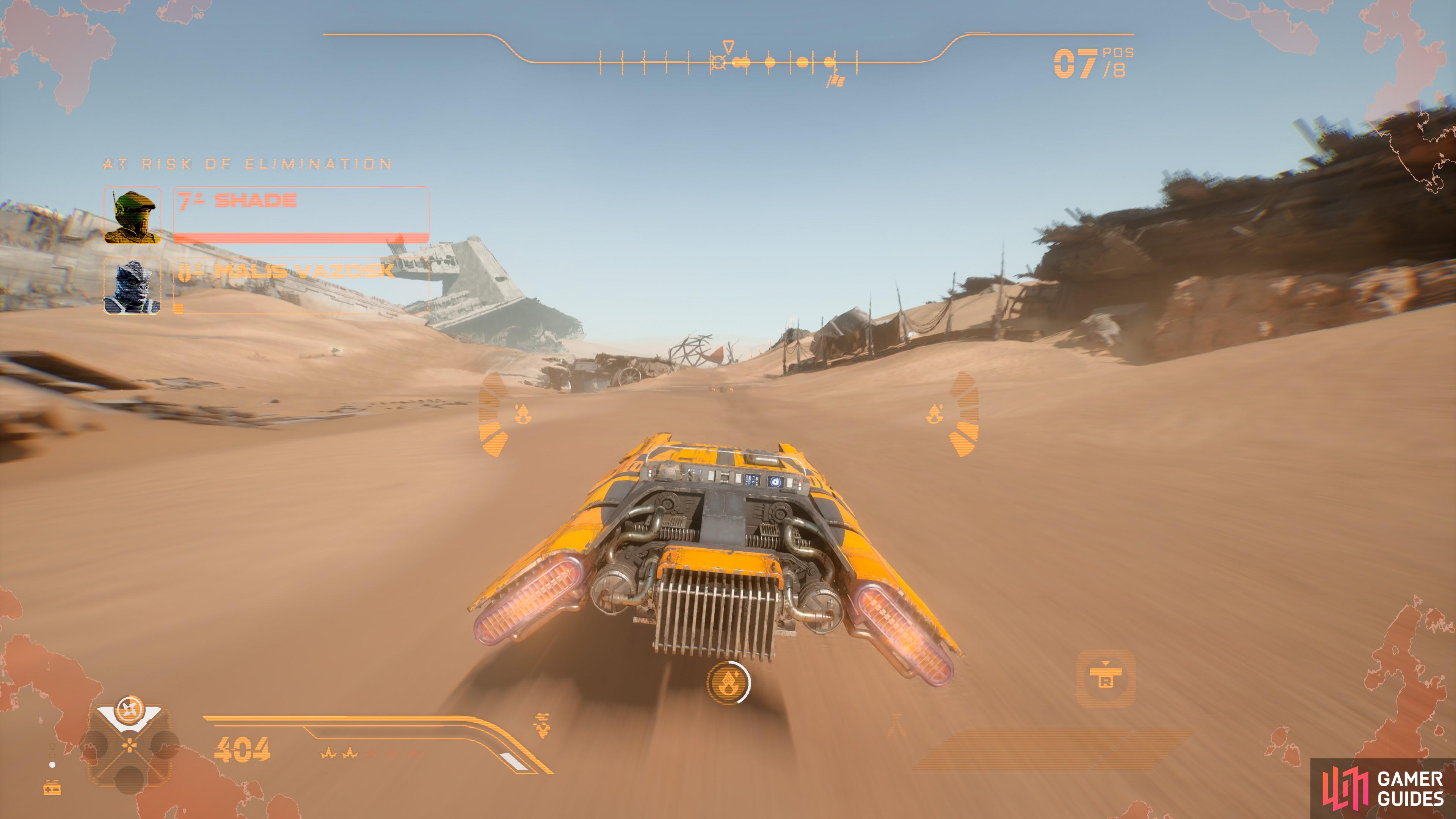
It can be frustrating to get toward the end of an Act and have to start again if you fail.
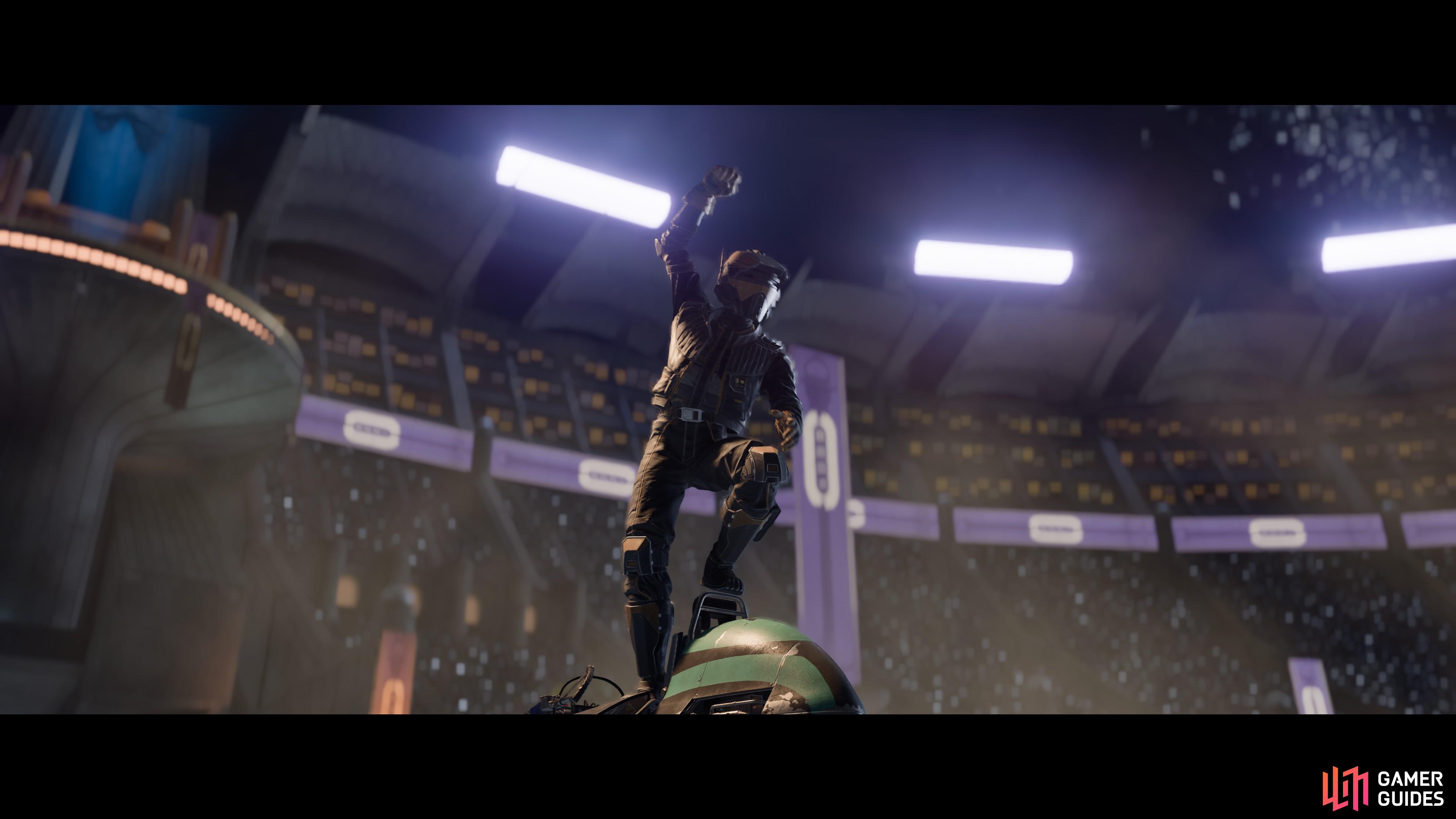
However the feel of victory has never felt so great.
It’s a difficult conundrum to crack because run-based games only work with some element of risk involved to make pushing forward exciting. However, in the case of Galactic Racer, sometimes that risk rubs up against the reality that sometimes in racing games you lose because the computer has decided you will, resulting in a not insignificant amount of frustration. Overall, it cannot totally ruin a more than enjoyable setup for single-player progression, but occasionally it will leave you rather annoyed with Griff Halloran for ruining your perfect run of races.
Continued chaos
While the main campaign feels like the focus of Galactic Racer, there is plenty of other content here, including smaller campaigns focusing on different racers and their bespoke vehicles and setups that challenge you to race in different ways. These runs do a good job of getting you to try out new mechanics and systems while rewarding you with a currency for purchasing cosmetics for your speeders, but they still suffer from the punitive “one chance for glory at the end of a 20-minute run” as the main campaign.
These tours feel like a Mario Kart lobby with nitro injected into its veins.
Online play, however, is a certified success. There are options for quick races divided between speeders and podracers. The real draw is two types of Tours (again, split between speeders and podracers) which cram in the upgrade system of an hour-long run into five short races, as you scramble to assemble your speeder build, bet on your placement, and even call out other players in the lobby as your rival. These tours feel like a Mario Kart lobby with nitro injected into its veins, and the 12-player lobbies quickly get rowdy; players are encouraged to get their elbows out as they jostle for positions.
The Podracing Tours are maybe my favorite single element of Galactic Racer, but vitally feel like a principle you have to reach. In Star Wars mythos, the human brain simply cannot react fast enough to safely podrace (bar one nobody on Tatooine who never went on to become much…), so when your mechanic first places you behind too oversized an engine, you’ll quickly crash out. Throughout the single-player campaign, you get to try more podracing, and you get to grips with the nearly doubled speed of these jet-powered monsters.
Eventually you will slowly acclimate to the speed of podracers (and in turn normal speeders will feel like driving in slow-mo at times), but it’s still so fast that I found it almost mandatory to shift the camera from my preferred “behind the vehicle view” to the iconic “between the two engines up front” angle used several times in the film. These tours online cut down from 12 to eight players and force you to pick between canonical characters and their pre-established builds, making it all feel more like stock racing and a true test of skill than any of the other modes.
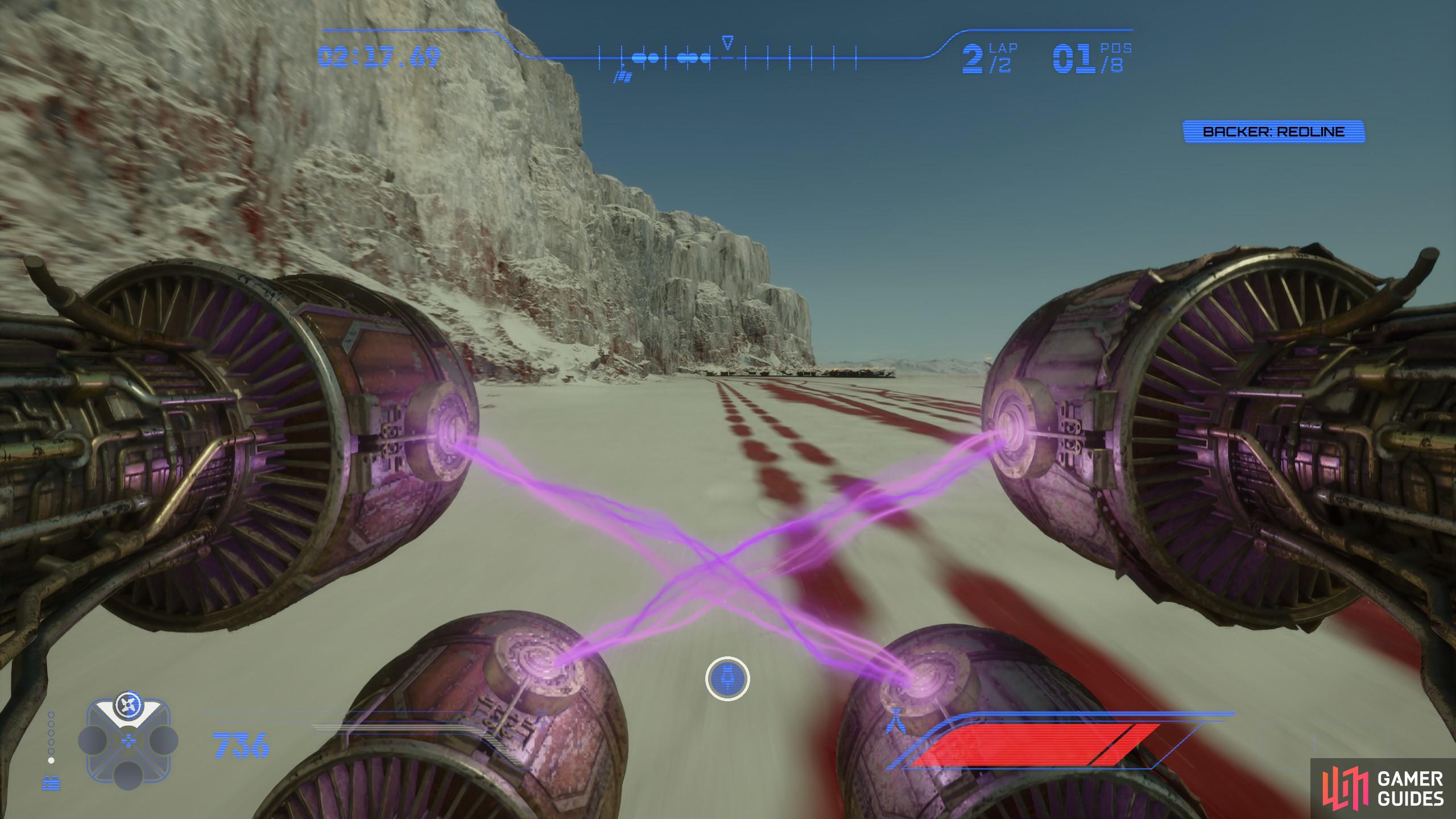
The sense of speed is at its greatest when in a podracer.
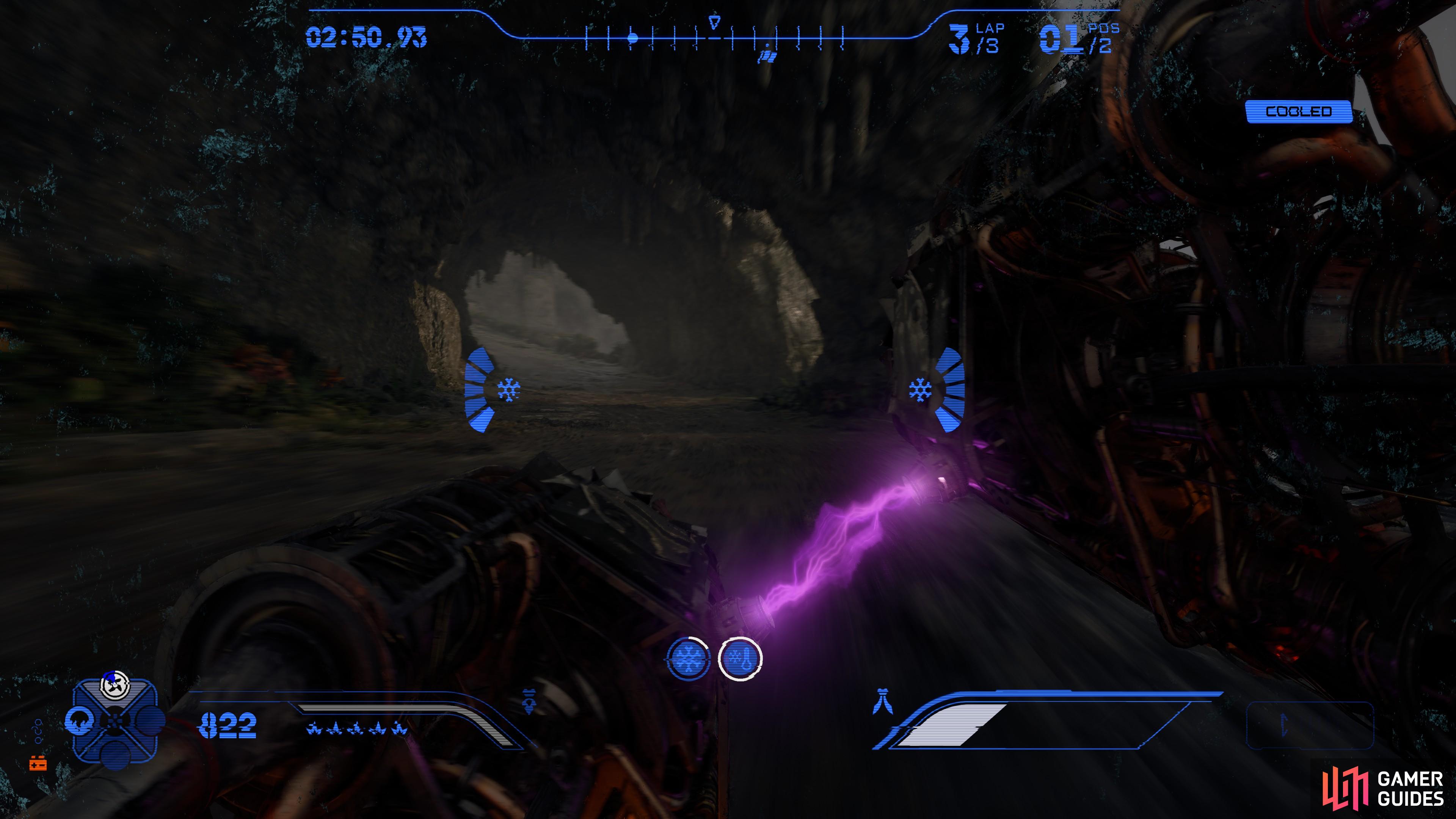
You’ll need to control the temperatures of your racer.
The galaxy’s finest
While Galactic Racer isn’t perfect, the brutal nature of roguelikes isn’t always the best fit for arcade racing, and the lack of manual button rebinds might have you digging in system settings; it’s a stunning reminder of what racing games can be. Fast, fun, and frenetic. This review didn’t even have time to dive into the game’s presentation, full of stylish menus and some excellent fake space logos. Nor did I get to highlight much of just how damn good the game looks. Star Wars: Galactic Racer might not feature real cars or brands or tracks, but it still manages to be one of the purest distillations of video game racing we have gotten in the best part of ten years, and harken back to some of the genre’s best while feeling wholly unique. It’s a triumph.
Fast and Furious
Star Wars: Galactic Racer’s modernizations of the arcade racing formula have their upsides and drawbacks, but fundamentally it is one of the most thrilling racing games released in years, with a compelling arsenal of systems, mechanics, modes, and even some pretty well-written characters. Moreover, it’s a reminder of how fresh and bold the racing genre can feel when explored to its limits.
Gameplay:
Sound:
Graphics:
Story:
Value Rating:

No Comments