Final Fantasy Resonance
Release details, media and our verdict on Final Fantasy Resonance.
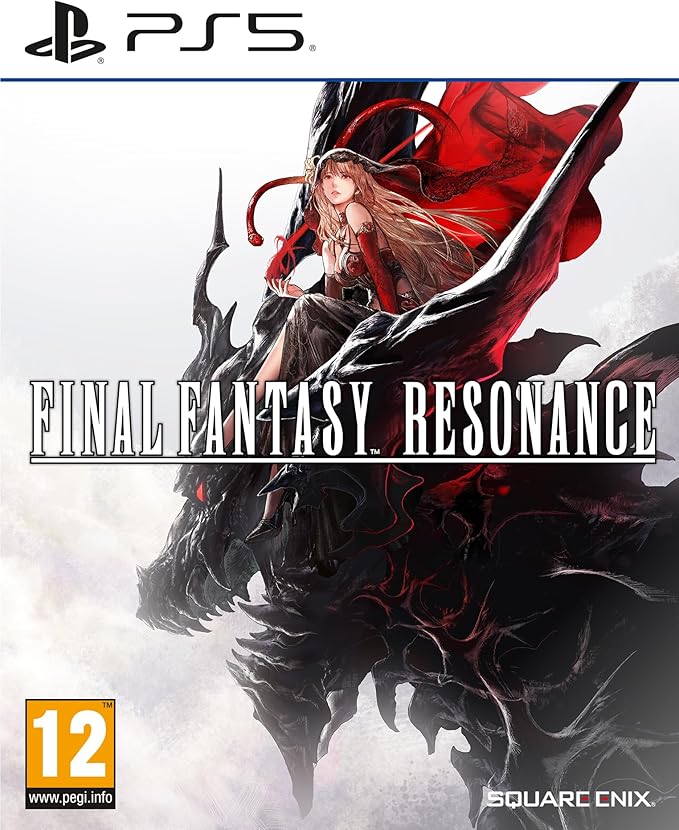
| Developers: | Lancarse, Square Enix Creative Studio 5 |
|---|---|
| Publishers: | Square Enix |
| Platforms: | PC, PS5, Switch, Switch 2, XB X|S |
| Release: | |
| Genres: | Adventure, RPG |
| Modes: | Single-Player |
Media Gallery
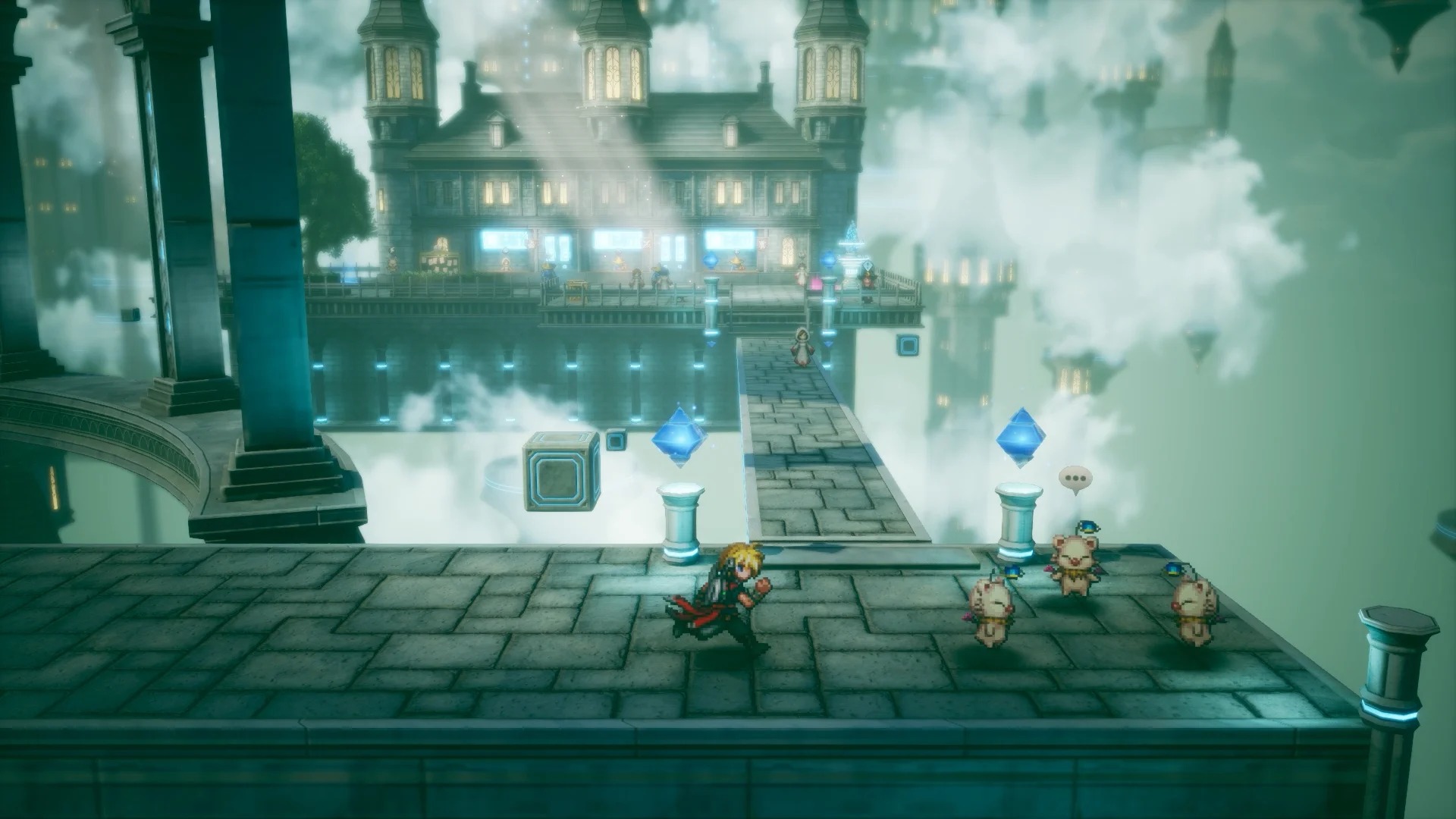
The party walks along a stone walkway beside glowing crystals
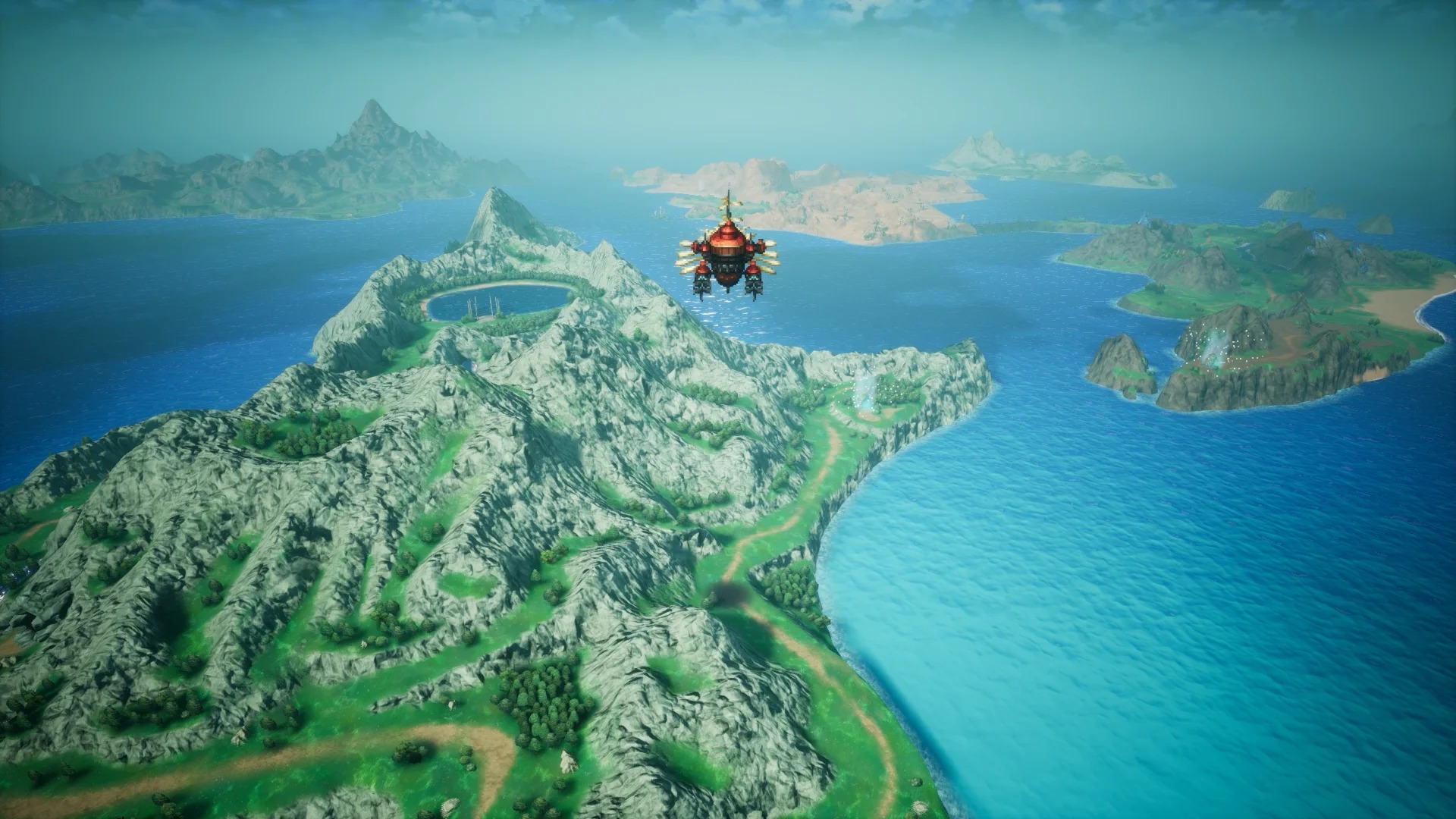
An airship flies over a green coastal landscape
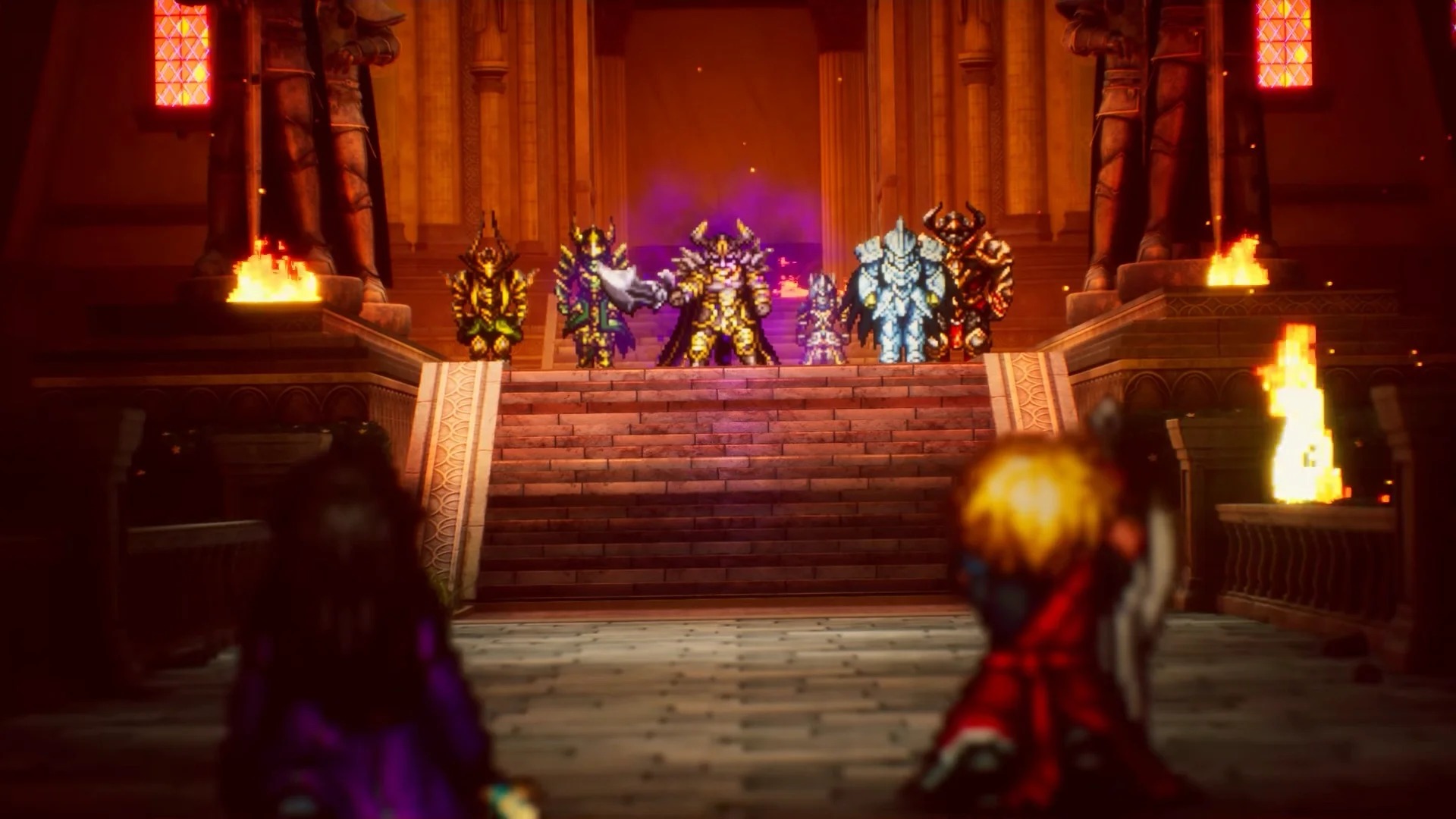
Two characters face a row of armored figures on a stairway lit by braziers
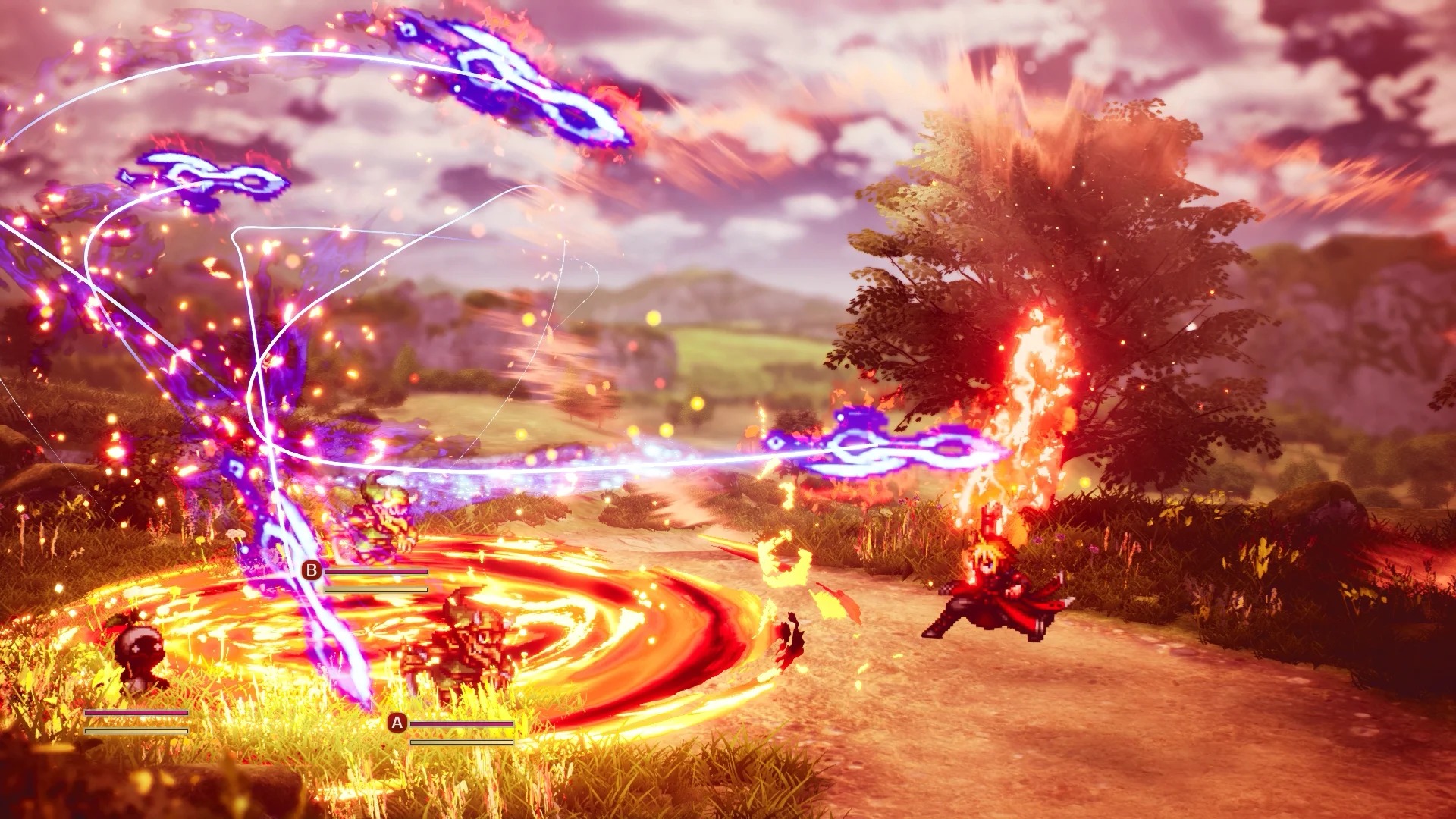
A battle on a sunlit field with streaks of purple and red magic
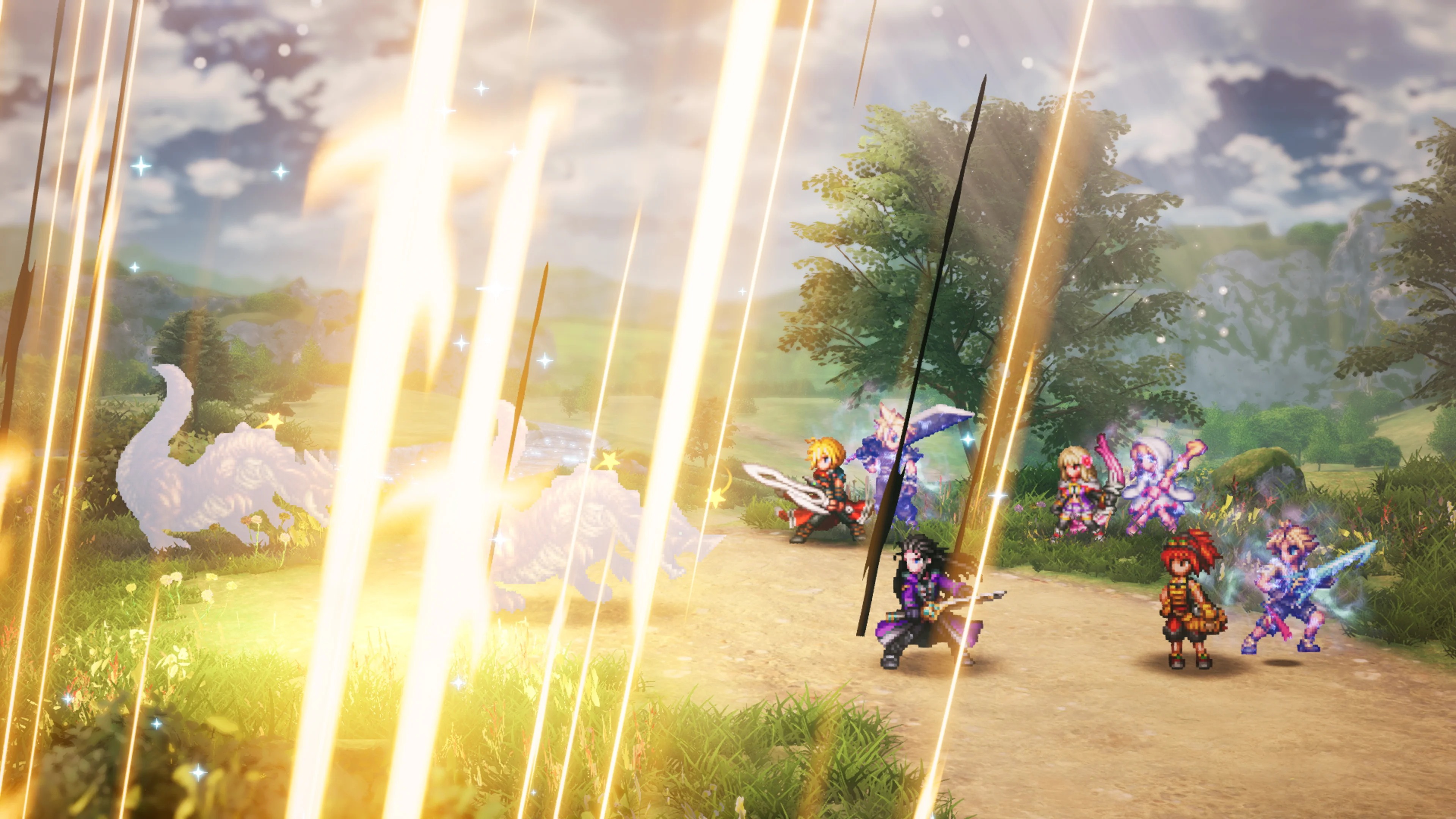
The party fights on a forest path as beams of golden light fall
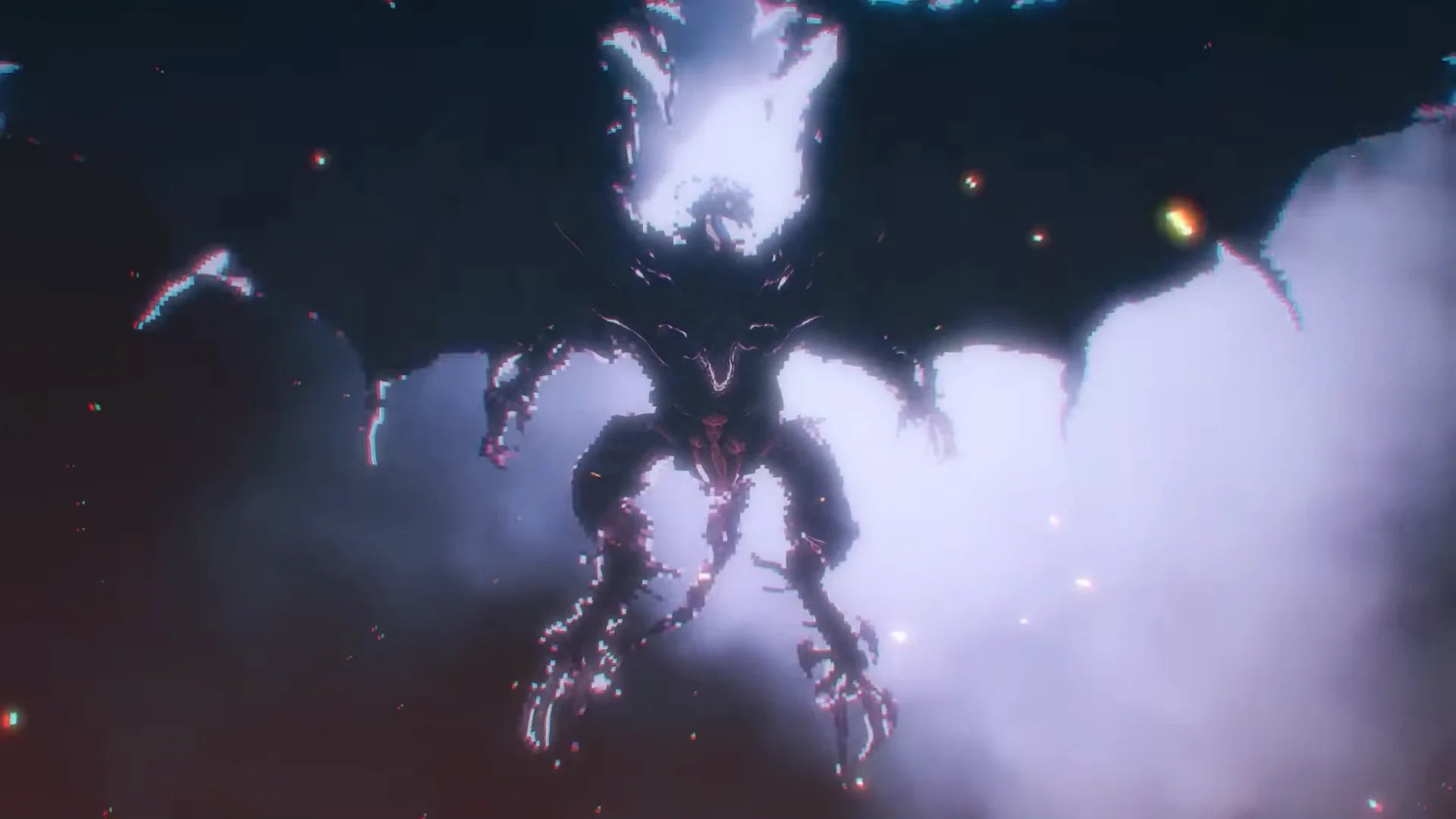
A large winged creature looms in a cloud of white mist
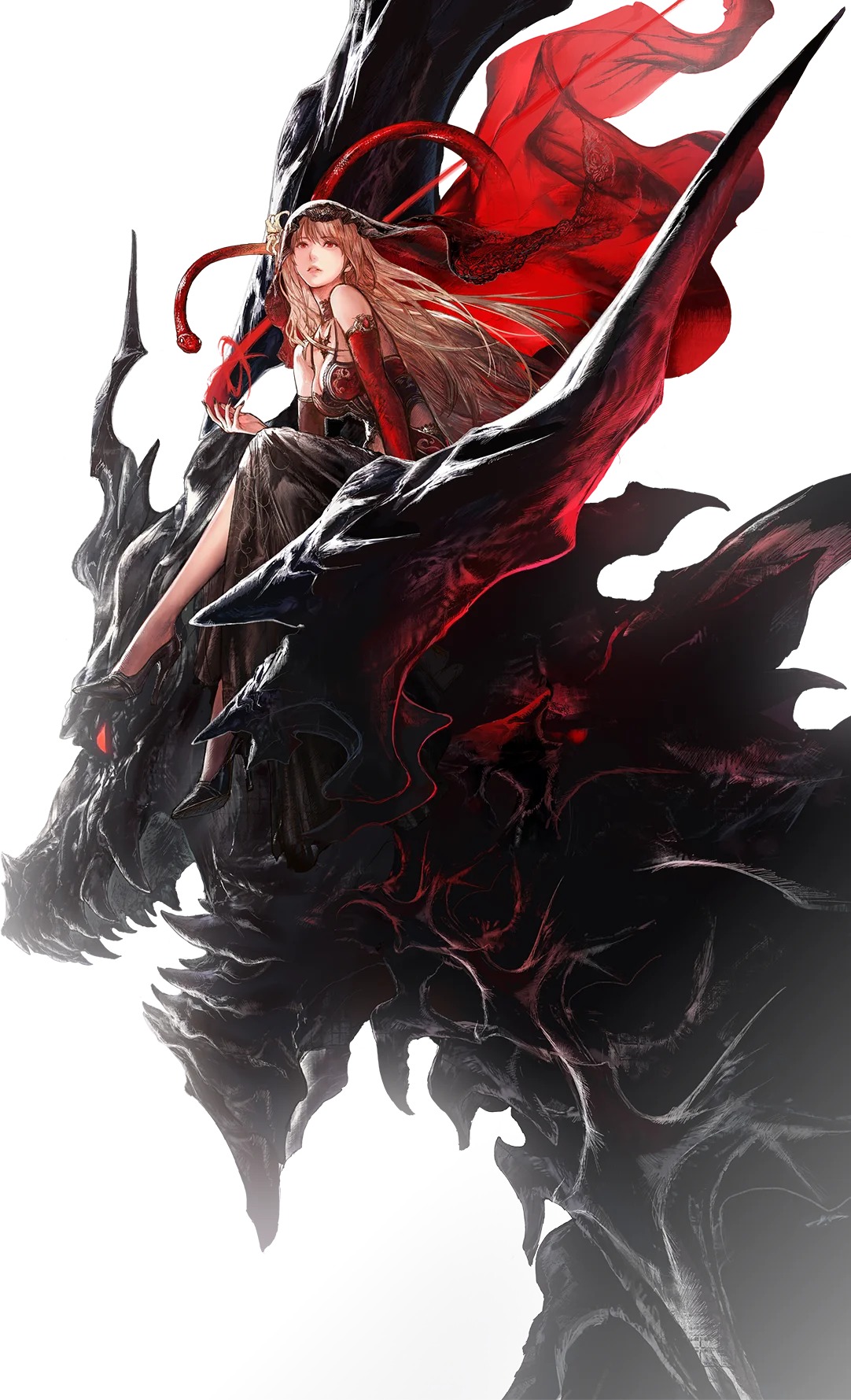
A character in red stands before a dark winged creature
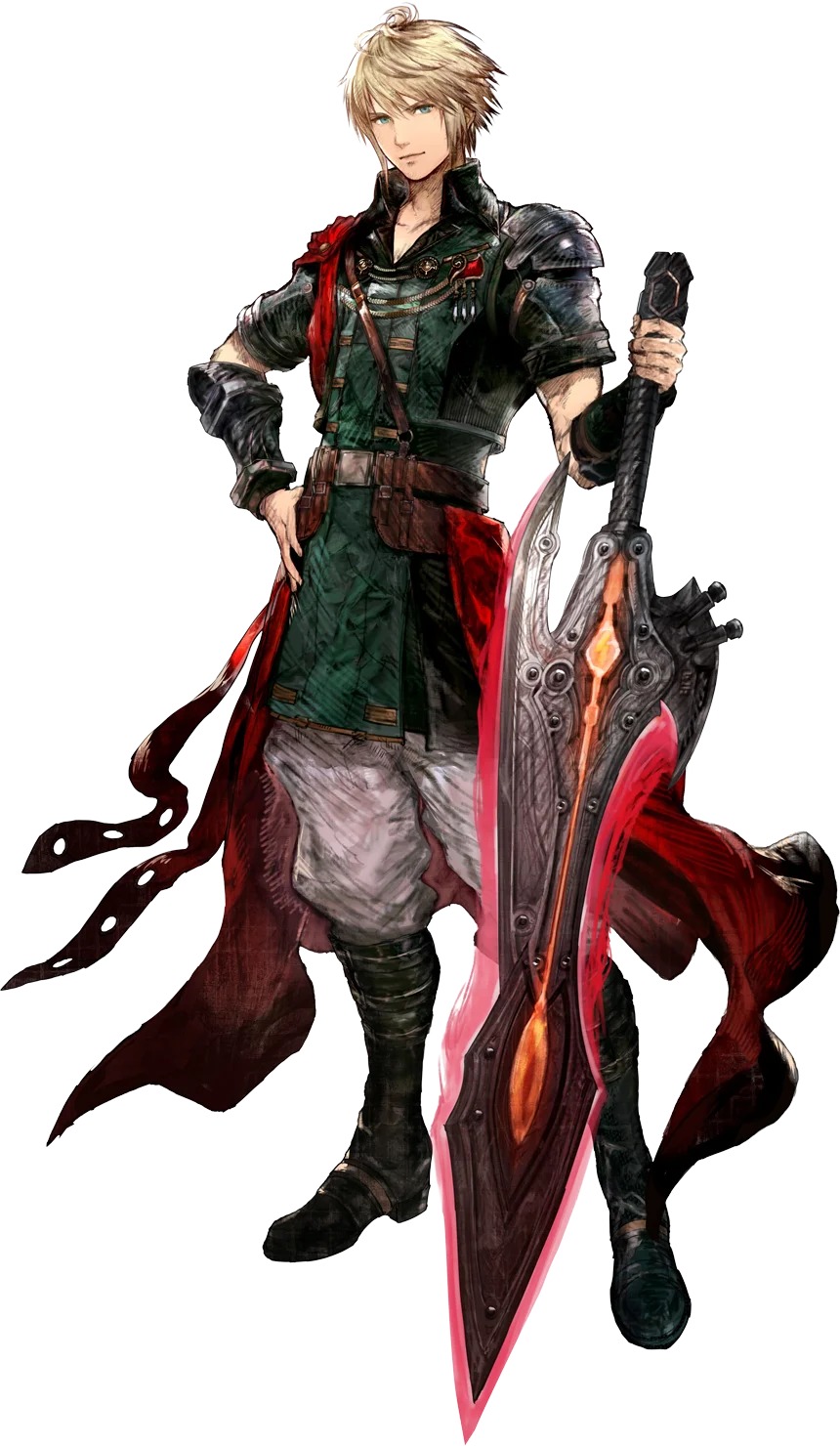
A swordsman in a red coat holds a large blade
What is Final Fantasy Resonance?
Final Fantasy Resonance is a role-playing game published by Square Enix and co-developed by Square Enix and Lancarse. It came out on October 22, 2026, for Nintendo Switch 2, Nintendo Switch, PlayStation 5, Windows PC, and Xbox Series X|S. The game reworks the first story arc of the 2015 mobile title Final Fantasy Brave Exvius for consoles, and it is the first Final Fantasy entry to use the HD-2D visual style that pairs pixel-art characters with 3D environments. A free demo covering the opening through the end of Chapter 1 launched on September 3, 2026, and its save data carries over to the full game.
The story is set in a world where crystals sustain the land, beginning in Grandshelt, a kingdom of knights. Rain, who commands the kingdom’s airship squadron, travels with his childhood friend and deputy Lasswell to the Earth Shrine after its protective barrier weakens. There they meet Veritas of the Dark, an armored figure who defeats them and destroys the Earth Crystal. After he also strikes Grandshelt, Rain and Lasswell leave to pursue him and guard the crystals that remain, joined by a girl named Fina whom they meet in the kingdom.
Battles are turn-based. Each party member has a set role, with Rain built around physical and fire attacks, Lasswell around ice, and Fina around light attacks and white magic. Dealing damage, especially to an enemy’s weakness, fills a stagger gauge, and staggering a foe grants the attacking character an extra turn. Staggering every enemy at once gives the whole active party an additional turn, and Limit Bursts become available once the party has taken enough damage.
Party members can equip Visions, which are echoes of characters from across the Final Fantasy series such as Cloud, Y’shtola, and Clive, and each one adds its own skills and elemental focus. Most Visions are found at shrines on the world map by answering questions about the character’s original game, and using them in battle raises Vision Mastery for lasting bonuses. Fina can also call on Espers such as Ramuh and Shiva. Optional content includes side quests, minigames, a Colosseum, the Chamber of Arms, encounters with Gilgamesh, a fight against Ultima Weapon, and Sephiroth as a superboss. The game is sold in Standard and Deluxe editions.
Producer Keisuke Nakashima, who had worked on Brave Exvius, proposed the console version in 2020, and Square Enix approved it that year. The team spent its early years trying out art styles before choosing HD-2D, and it received advice from Team Asano, the group behind Octopath Traveler. The mobile game’s chain combat was replaced with the stagger system, Visions were reshaped to work more like a job system, and guest characters from outside the Final Fantasy series were removed. Noriyasu Agematsu returned as composer, with a soundtrack of 120 tracks, 33 of them new. The game received generally favorable reviews according to Metacritic.
Review
Read full review“Fleeting Fantasy”
While avoiding being outright bad in any regard, Final Fantasy Resonance does little to captivate the player. The combat system is by far the best element, but largely seems like a reworking of an idea more successfully executed in the Octopath franchise. And while moments of characterisation are charming and well written, the actual narrative only pinballs between tropes until it winds up at a rote climax. Despite being positioned as a celebration of the series, it does little but half-heartedly play a couple of the hits and ask you if you remember the good old days.
 Lexi Luddy
